Minimalist Front Yard Landscaping: Modern Design Ideas for a Stylish Outdoor Space
Minimalist front yard landscaping has become one of the most popular approaches to outdoor design in modern homes. With its clean lines, uncluttered layouts, and focus on natural harmony, this landscaping style emphasizes simplicity while maximizing curb appeal. Homeowners who want to transform their outdoor spaces into functional yet stylish areas often choose a minimalist approach for its balance between beauty and low-maintenance living.
In this article, we will explore what minimalist front yard landscaping is, why it has gained widespread popularity, and how it can be applied effectively. You’ll also find detailed real-world examples, benefits of using modern landscaping technology, and practical use cases that demonstrate why this design approach is perfect for today’s homeowners.
Understanding Minimalist Front Yard Landscaping
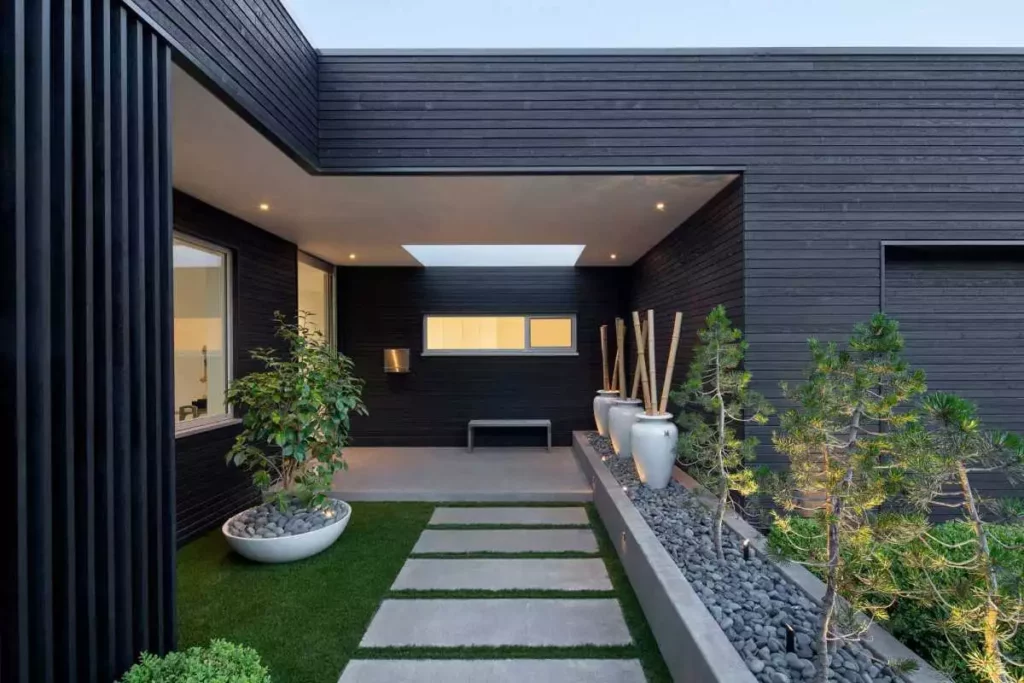
Minimalist front yard landscaping focuses on creating a modern outdoor space with a less-is-more philosophy. Instead of filling your yard with numerous plants, ornaments, and decorative elements, the minimalist approach emphasizes carefully chosen features that blend with the architecture of your home.
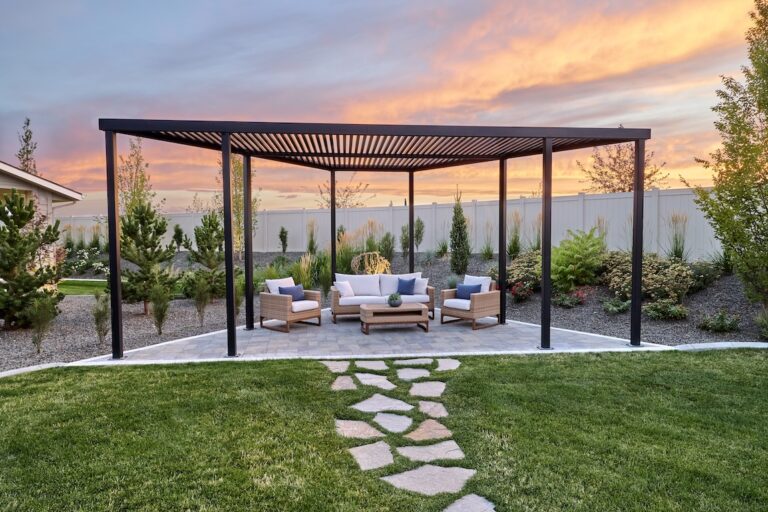
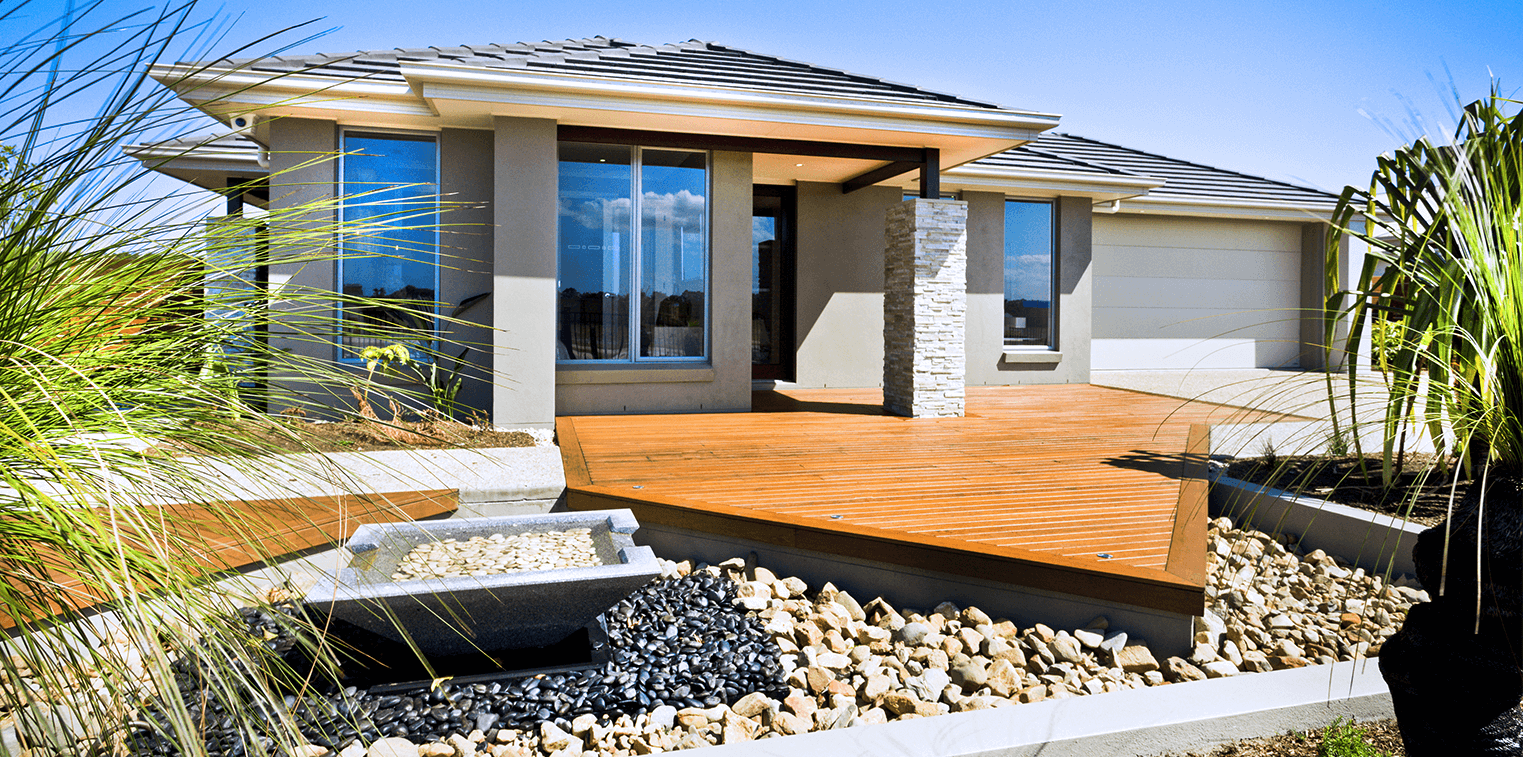
This type of landscaping typically uses neutral color palettes, structured plant arrangements, and natural elements such as stone, gravel, and wood. It avoids excessive clutter while highlighting functionality and aesthetics. The overall goal is to create a welcoming, low-maintenance, and elegant space that enhances the beauty of the home without overwhelming it.
Minimalist landscaping is not just about reducing the number of elements in a yard—it is about intentional design. Every plant, pathway, or decorative feature has a purpose, whether it’s to provide symmetry, improve flow, or add a calming natural element.
Key Elements of Minimalist Front Yard Landscaping
A successful minimalist design relies on a few foundational elements:
-
Structured Geometry: Straight lines and symmetrical layouts are often used to create a sense of order.
-
Neutral Palettes: Minimalist yards typically feature muted tones—greens, whites, greys, and earthy shades.
-
Selective Planting: Instead of numerous varieties, minimalism emphasizes a few carefully chosen plants.
-
Natural Materials: Stone, wood, and gravel are commonly used for walkways and borders.
-
Functional Lighting: Clean, modern outdoor lighting enhances visibility and ambiance.
Together, these elements help transform a simple yard into a sophisticated outdoor statement.
Real-World Examples of Minimalist Front Yard Landscaping
1. Gravel and Succulent Garden Design
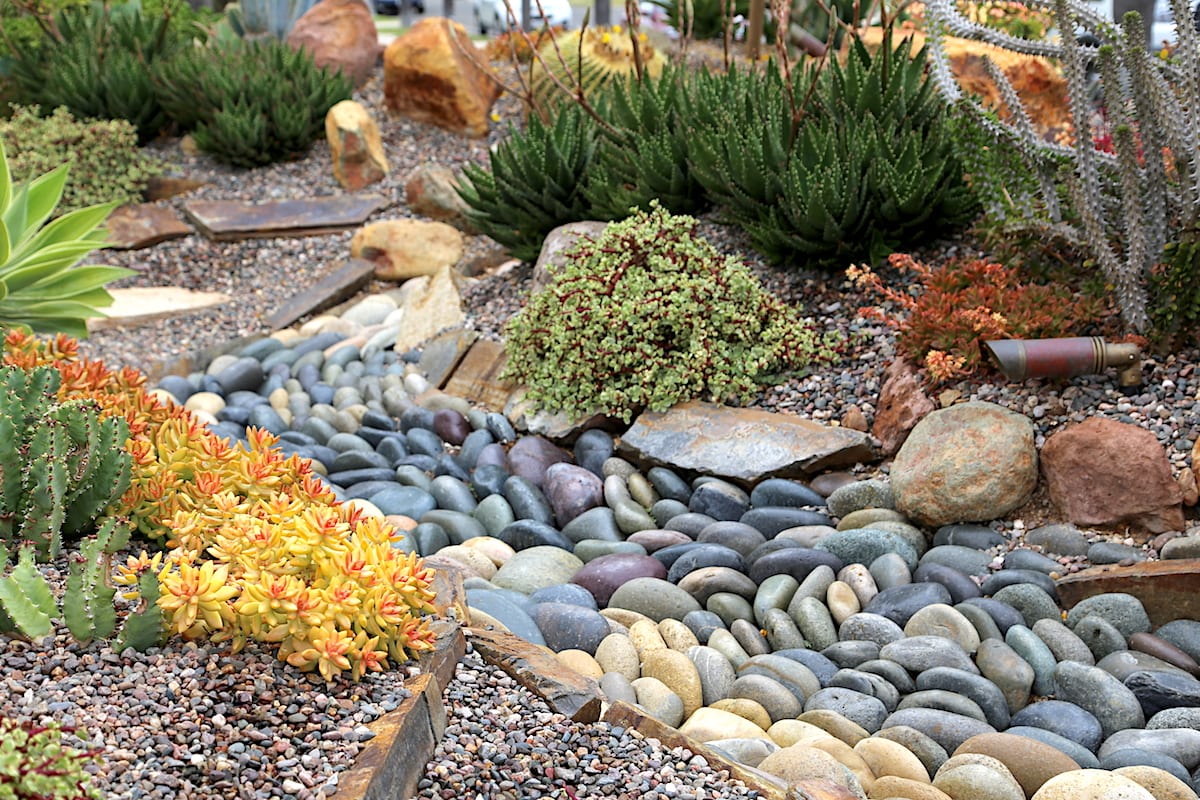
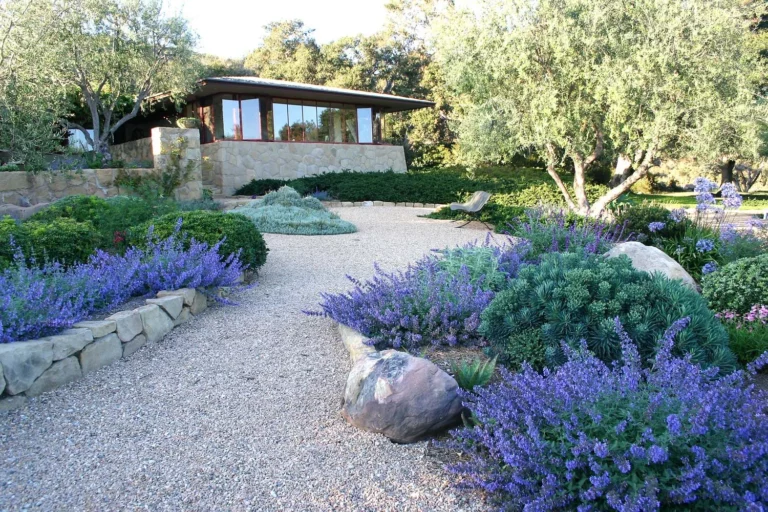
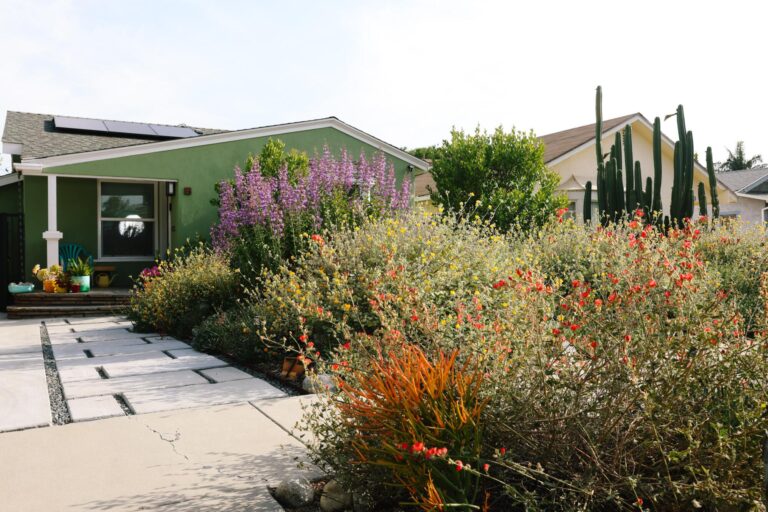
A popular approach to minimalist front yard landscaping is the use of gravel combined with drought-resistant plants such as succulents. Gravel provides a clean, uniform base while succulents add texture and depth without requiring excessive maintenance.
This setup is especially suitable for homes in dry climates, as it reduces the need for frequent watering. Succulents also come in various shapes and colors, allowing homeowners to add subtle variety without overwhelming the minimalist theme. The result is a contemporary front yard that looks stylish year-round and requires minimal upkeep.
2. Concrete Pathway with Boxwood Borders
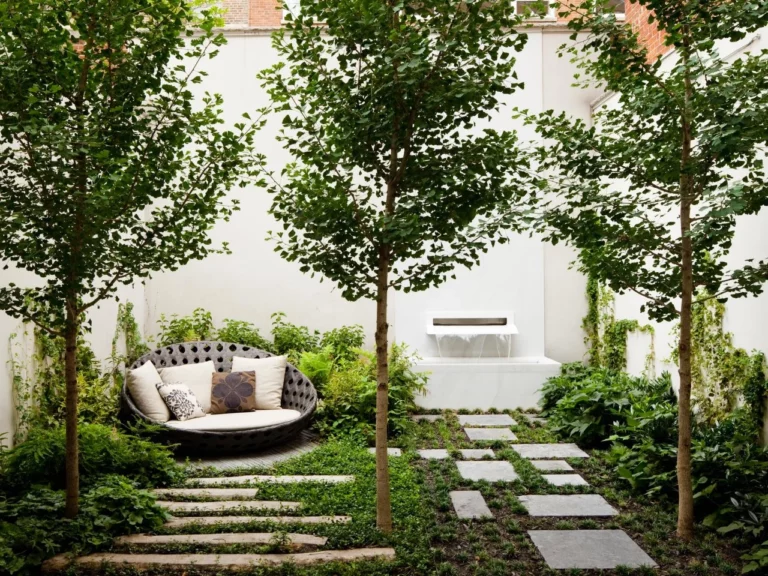
Another striking example is the use of sleek concrete pathways framed by structured boxwood hedges. The sharp lines of the concrete walkways complement the clean shapes of boxwoods, creating a balanced and orderly look.
This design works particularly well for homes with modern or contemporary architecture. The boxwoods act as living walls, guiding visitors toward the entrance while enhancing curb appeal. It’s a great option for homeowners who prefer a polished, symmetrical design that’s easy to maintain.
3. Japanese-Inspired Minimalist Zen Garden
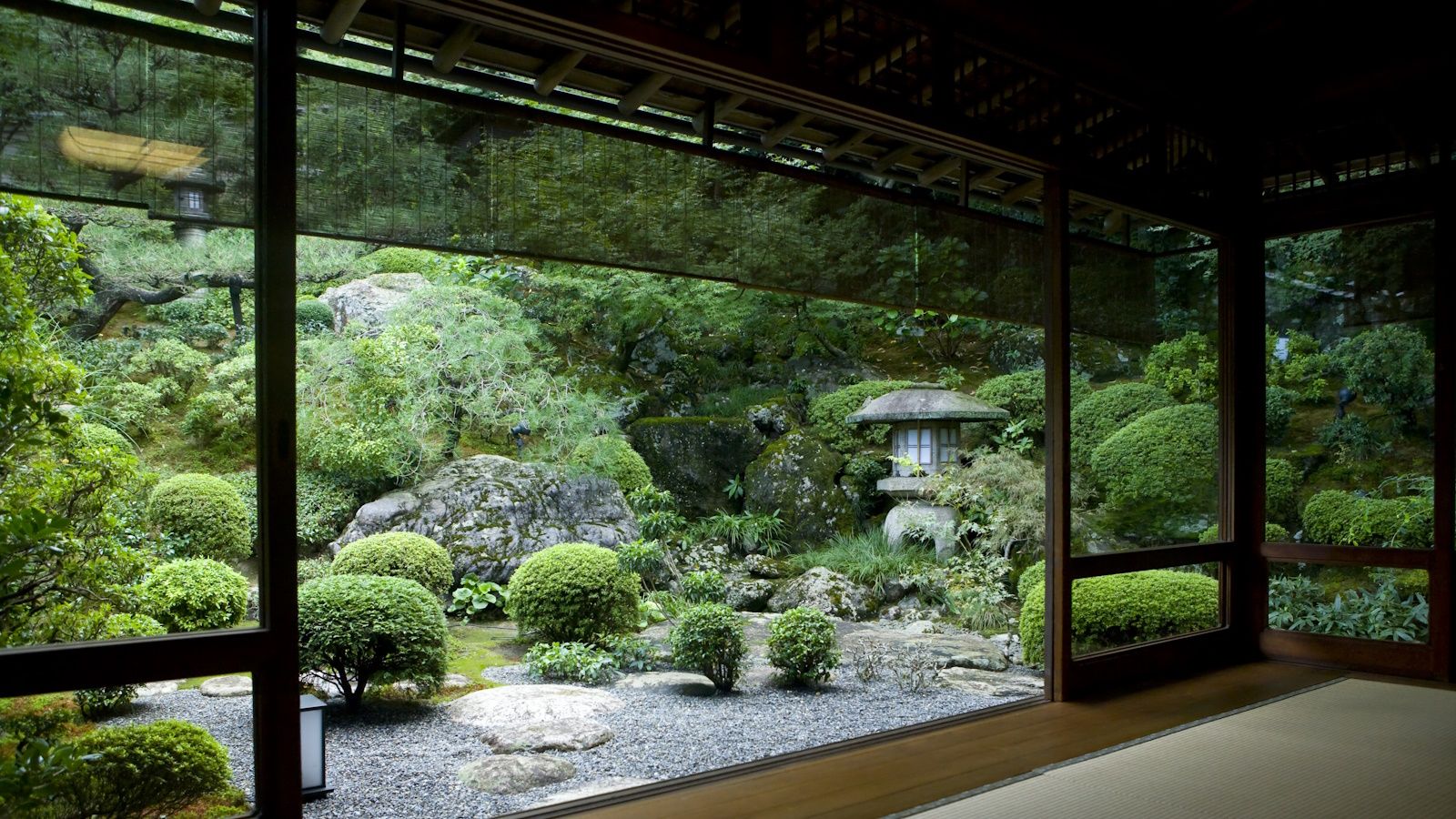
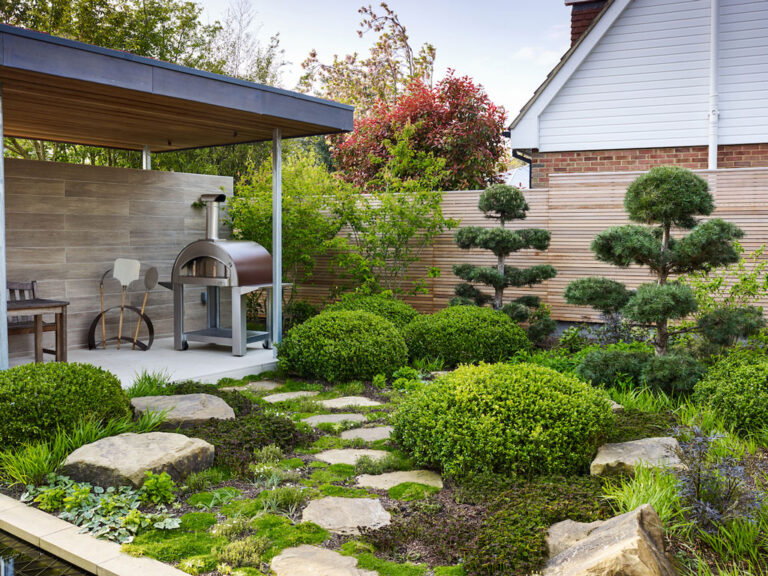
Minimalist front yard landscaping often borrows inspiration from Japanese Zen gardens. A simple layout with raked gravel, smooth stones, and carefully placed greenery creates a peaceful and contemplative atmosphere.
This type of design emphasizes tranquility and balance, making it a great choice for homeowners who want their front yard to serve as a calming entryway to their home. Unlike traditional gardens that require constant maintenance, a Zen-inspired yard relies on fewer plants and more natural materials, keeping it both minimalist and practical.
4. Raised Planters with Modern Edging
Raised planters with clean edging are an excellent way to incorporate greenery without cluttering the yard. Concrete or steel planters filled with ornamental grasses, evergreens, or small shrubs maintain a minimalist style while adding vertical interest.
This design approach is perfect for urban homes or smaller spaces, as it keeps plants organized and contained. The raised planters can also be designed to match the home’s exterior, creating visual harmony between the yard and the building itself.
5. Lighting-Focused Minimalist Landscape

Outdoor lighting plays a crucial role in minimalist landscaping. Strategically placed LED lights along pathways, steps, and architectural features highlight the simplicity of the design while adding functionality at night.
A lighting-focused minimalist front yard often combines subtle ground lights with wall-mounted fixtures that create depth and shadows. This enhances the overall mood of the outdoor space while keeping the yard uncluttered during the day.
Benefits of Minimalist Front Yard Landscaping
Minimalist landscaping offers a wide range of benefits for homeowners.
-
Low Maintenance: Fewer plants and simple layouts reduce the time and cost required for yard upkeep.
-
Cost-Effective: Since minimalism emphasizes fewer but high-quality elements, it can be more affordable in the long run.
-
Sustainable: Many minimalist designs incorporate drought-tolerant plants and natural materials, making them eco-friendly.
-
Enhanced Curb Appeal: A clean, well-designed yard makes a strong first impression on visitors and potential buyers.
-
Functional Design: Minimalist yards are not just beautiful; they are practical, with clear pathways and purposeful layouts.
By combining aesthetics with practicality, minimalist landscaping creates an outdoor space that works in harmony with both the home and the environment.
Technology in Minimalist Landscaping
Modern technology plays an important role in achieving and maintaining minimalist front yard landscaping.
-
Smart Irrigation Systems: These ensure plants receive the right amount of water without waste.
-
LED Lighting Technology: Energy-efficient lights highlight features while reducing electricity usage.
-
Design Software: Homeowners and landscapers can use digital tools to plan minimalist layouts before implementation.
Technology makes minimalist landscaping not only easier to maintain but also more sustainable and efficient.
Practical Use Cases of Minimalist Front Yard Landscaping
Minimalist landscaping is useful in solving real-world challenges homeowners often face:
-
Small Yards: Minimalist design maximizes limited space with functional layouts.
-
Busy Lifestyles: Homeowners who lack time for gardening benefit from low-maintenance minimalist yards.
-
Water Conservation: In regions with water scarcity, minimalist yards with drought-resistant plants reduce water usage.
-
Modern Homes: Homes with contemporary architecture pair seamlessly with minimalist landscaping styles.
By addressing these practical needs, minimalist landscaping becomes more than just a design trend—it’s a lifestyle solution.
Frequently Asked Questions (FAQ)
Q1. What plants are best for minimalist front yard landscaping?
Minimalist yards often use evergreens, succulents, ornamental grasses, and low-maintenance shrubs. The goal is to choose plants that are durable, structured, and visually simple.
Q2. Is minimalist landscaping expensive to create?
It depends on the materials and features you choose. While initial installation costs may vary, minimalist landscaping often becomes cost-effective over time due to reduced maintenance and water usage.
Q3. Can minimalist landscaping work for large front yards?
Yes, minimalist landscaping can be scaled up for large properties. The key is to maintain balance and avoid overcrowding. Open spaces, structured pathways, and selective planting work well for bigger yards.