Modern Composite Cladding: Benefits, Applications, and Real-World Insights
Modern composite cladding has become a leading choice in contemporary architecture and exterior design due to its versatility, durability, and modern aesthetic. Unlike traditional cladding materials such as stone, wood, or brick, composite cladding is engineered from a mix of materials—often wood fibers, recycled plastics, and bonding agents—that create a strong, weather-resistant surface.
This innovative material not only enhances building facades but also addresses the growing demand for sustainable construction practices. With rising awareness of eco-friendly solutions, modern composite cladding provides architects and homeowners with an ideal balance of functionality, style, and environmental responsibility.
What Makes Composite Cladding Modern?
The term modern in composite cladding refers not only to its sleek design but also to the cutting-edge technologies behind its production. Modern manufacturing methods allow precise color blending, surface textures, and finishes that mimic natural wood, stone, or metal without the same maintenance requirements.
Architects and designers increasingly favor composite cladding for its ability to adapt to contemporary building designs, whether minimalist, industrial, or nature-inspired. Additionally, advanced UV resistance, fire ratings, and improved thermal efficiency make it a forward-thinking material for both residential and commercial projects.
Material Composition and Engineering Process
Composite cladding is crafted from a carefully balanced combination of natural fibers and synthetic elements. Most products are made from recycled wood flour or sawdust combined with high-density polyethylene (HDPE) or other plastics, which are then bound with adhesives and stabilizers.
The result is a high-performance panel that retains the organic warmth of natural textures while gaining the resilience of engineered materials. This fusion allows composite cladding to resist moisture, warping, cracking, and pest damage more effectively than traditional wood. The engineered surface can also be embossed with grains or patterns, enhancing its visual appeal.
Benefits of Modern Composite Cladding
Durability and Weather Resistance
Composite cladding is designed to withstand harsh environmental conditions, including heavy rain, snow, strong winds, and intense sunlight. Unlike timber, it does not require regular sealing or staining to maintain its appearance. This makes it an excellent choice for low-maintenance exteriors.
The engineered structure ensures panels do not rot or swell, extending the lifespan of the facade. This durability is particularly valuable in coastal or high-humidity regions where traditional materials may deteriorate faster.
Sustainability and Eco-Friendliness
Modern composite cladding often incorporates recycled materials, making it a more environmentally conscious alternative. By using wood fibers and recycled plastics, manufacturers reduce waste and lower the demand for virgin raw materials.
Additionally, its long lifespan contributes to sustainability by minimizing the need for frequent replacements. When compared to traditional timber cladding, which may require resource-heavy maintenance and eventual replacement, composite options reduce overall environmental impact.
Aesthetic Versatility
One of the key reasons architects prefer modern composite cladding is its aesthetic flexibility. It can mimic natural wood grains, metallic finishes, or stone-like textures, offering designers limitless possibilities. With various colors and finishes, composite panels can seamlessly complement both traditional and contemporary architecture.
This versatility allows homeowners and developers to achieve a natural look without sacrificing modern performance. Whether used for entire facades, accent walls, or commercial exteriors, composite cladding elevates the building’s visual identity.
Energy Efficiency and Insulation
Composite cladding contributes to improved thermal performance. Its layered construction helps regulate temperature by providing an additional barrier against heat loss in winter and overheating in summer. This not only increases comfort but also lowers energy costs over time.
In commercial buildings, energy-efficient cladding can significantly reduce HVAC demands, making it an integral part of sustainable building strategies.
Real-World Example Products and Applications
1. Wood-Look Composite Panels for Residential Homes
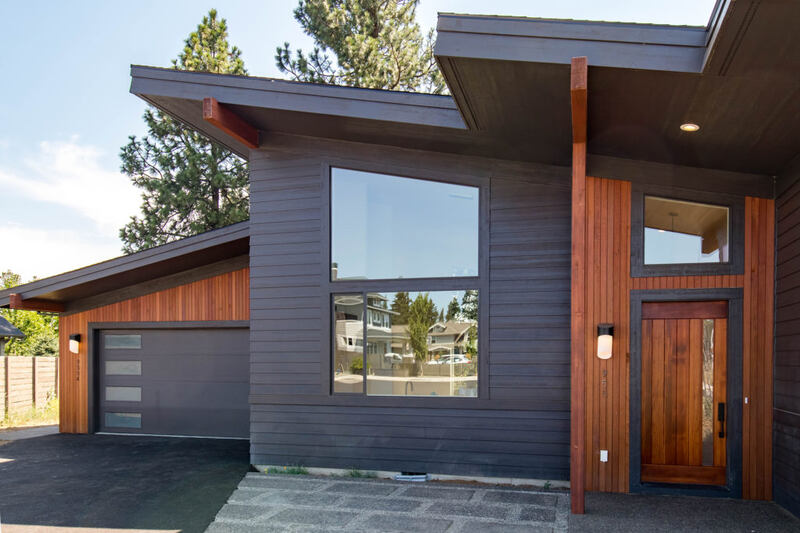
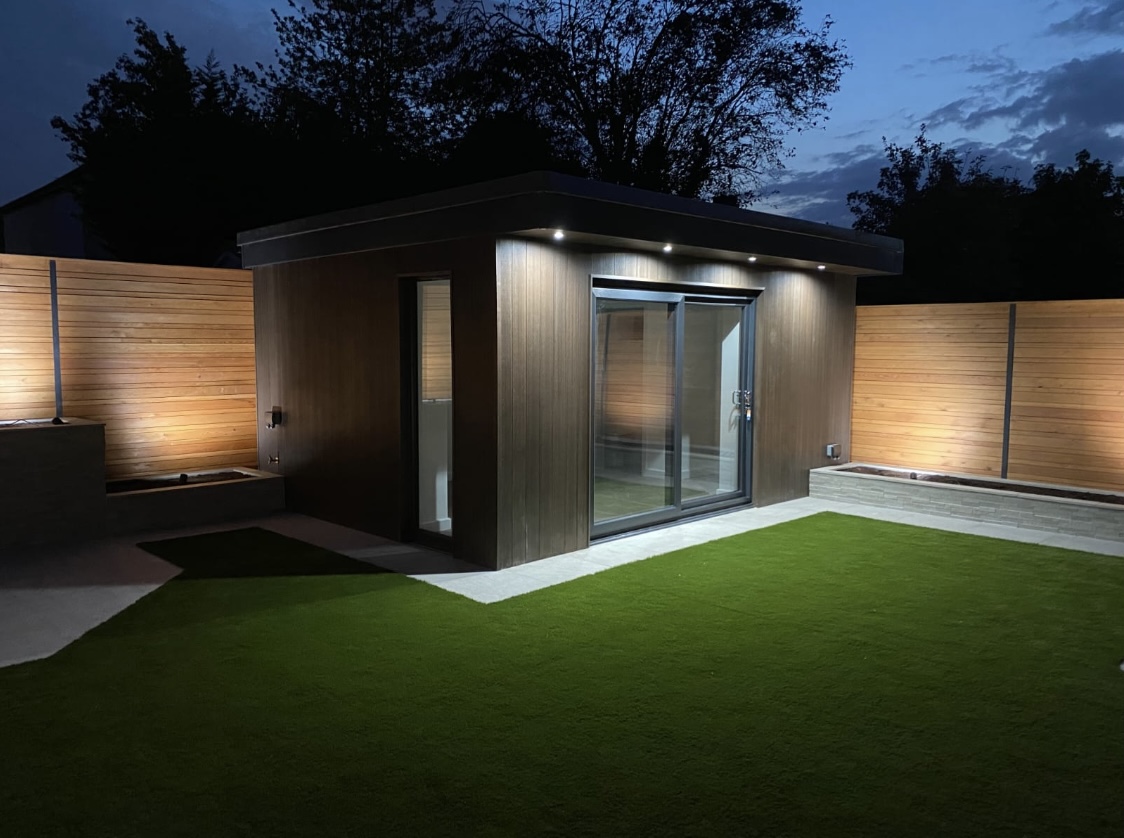
Many homeowners are turning to wood-look composite cladding for a natural yet modern appearance. These panels replicate the warmth of cedar or oak but do not fade, crack, or require seasonal treatment.
A real-world case can be seen in suburban housing projects, where entire neighborhoods adopt composite wood-look facades. The material provides consistency in aesthetics across multiple properties while ensuring longevity and reduced maintenance costs for residents.
2. Commercial Buildings with Metallic Composite Cladding
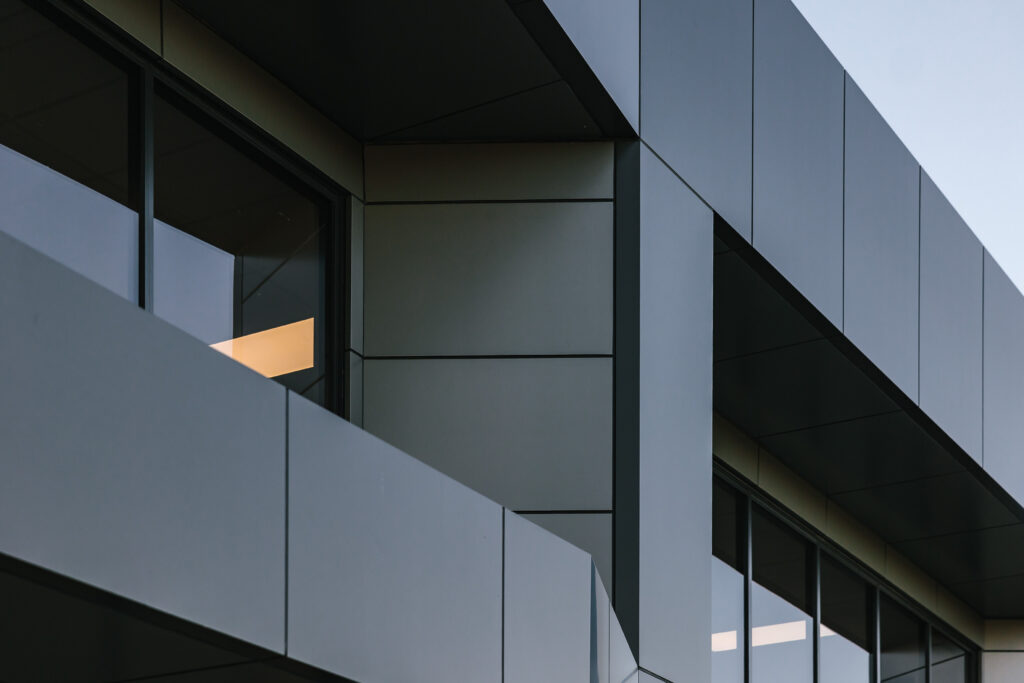
For corporate offices and modern retail spaces, metallic-finish composite cladding has gained popularity. These panels reflect a sleek, urban style while maintaining lightweight, durable properties.
A practical example is their use in high-rise commercial towers where traditional stone cladding would be too heavy. Composite metallic panels offer similar sophistication at a fraction of the weight, reducing structural strain while maintaining durability against pollution and weathering.
3. Composite Cladding in Coastal Architecture
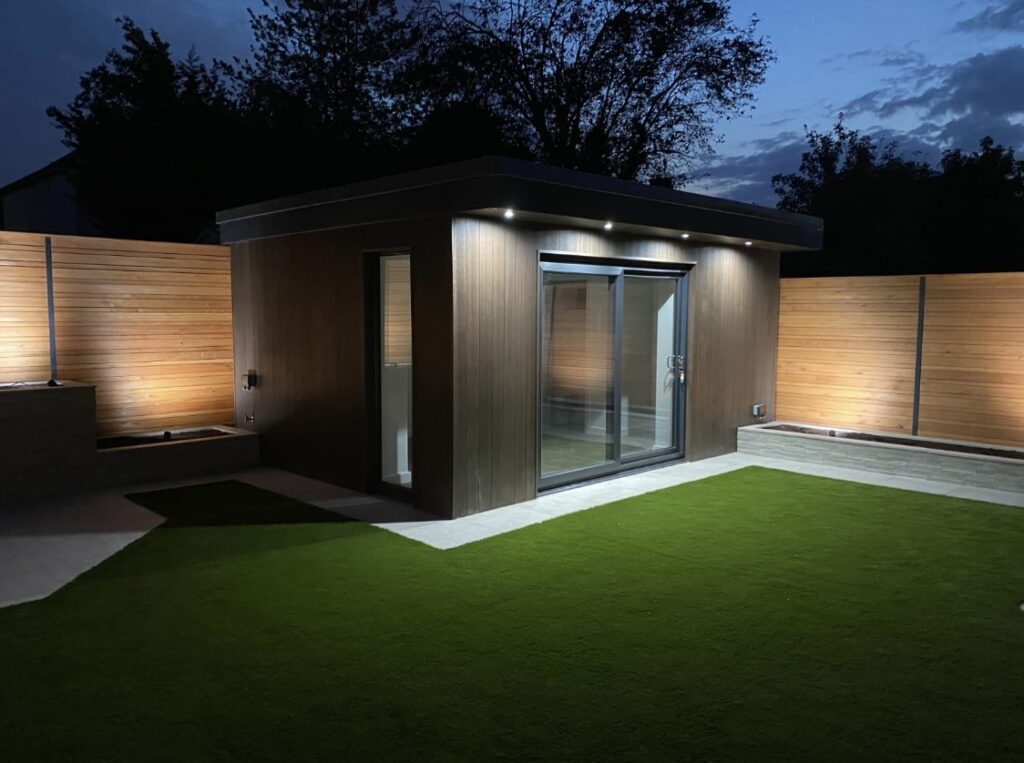
Coastal homes and resorts face challenges like saltwater corrosion, high humidity, and strong winds. Composite cladding designed for coastal applications provides excellent protection against these elements.
One striking example is beachfront villas that utilize composite cladding to replicate tropical hardwood exteriors. The result is a luxurious, nature-inspired look that remains resilient despite constant exposure to sea air and moisture.
4. Sustainable Public Buildings
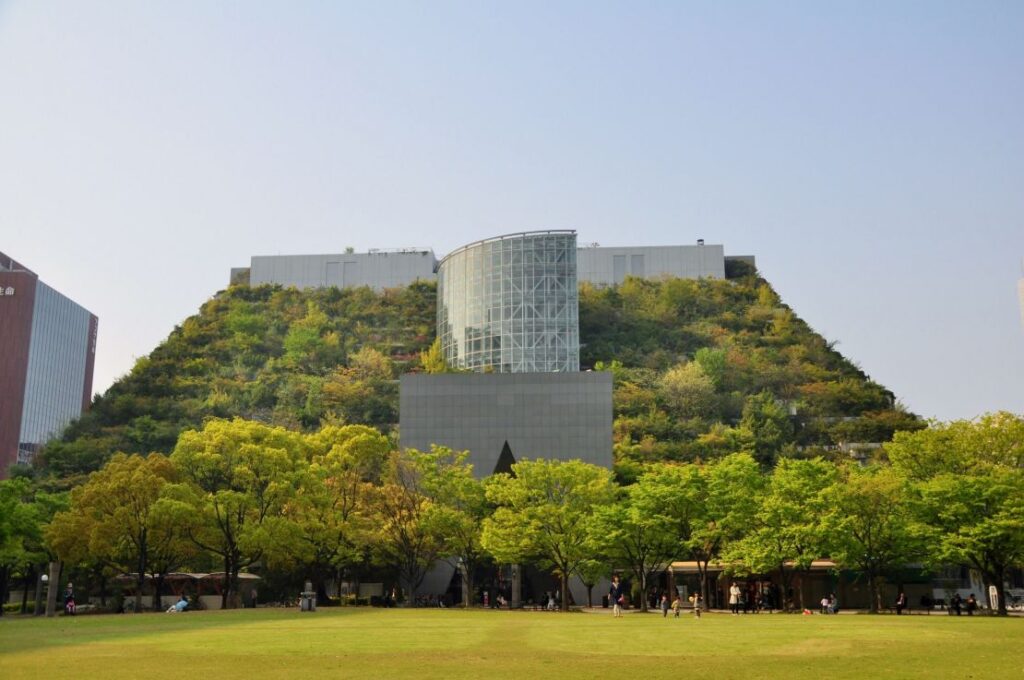
Public institutions such as libraries, community centers, and eco-parks increasingly turn to composite cladding. It not only enhances energy performance but also communicates a commitment to sustainability.
For example, a modern library project integrated natural-toned composite cladding with solar panels to create an environmentally conscious design. This dual strategy of energy efficiency and eco-materials set a new standard for sustainable public spaces.
Practical Use Cases for Modern Composite Cladding
Residential Applications
Homeowners use composite cladding for exterior facades, garden walls, and even interior accent walls. Its resistance to rot and pests makes it especially practical in humid climates. Families benefit from reduced maintenance while enjoying the natural warmth of wood-like finishes.
In urban settings, composite cladding helps homes achieve a sleek, minimalist aesthetic that aligns with contemporary architecture trends.
Commercial Applications
Businesses rely on composite cladding to create professional, modern facades. Hotels, office complexes, and shopping centers adopt composite solutions for their ability to project style while withstanding heavy urban exposure. The low-maintenance aspect also reduces long-term operational costs.
Eco-Friendly Urban Developments
Sustainable neighborhoods and eco-friendly housing developments increasingly adopt composite cladding as part of their green building certifications. Its use contributes to achieving LEED or BREEAM standards, supporting environmentally responsible construction.
FAQs about Modern Composite Cladding
Q1. How long does modern composite cladding last?
Modern composite cladding can last 25 to 50 years, depending on quality and environmental conditions. Its engineered durability ensures resistance to weathering, pests, and fading, making it more long-lasting than traditional wood.
Q2. Can composite cladding mimic real wood?
Yes, many modern composite panels are designed with embossed textures and natural color tones that closely resemble real wood grains. This allows architects to achieve the warmth of wood without ongoing maintenance.
Q3. Is composite cladding environmentally friendly?
Composite cladding is considered eco-friendly because it often incorporates recycled wood fibers and plastics. Its long lifespan and minimal maintenance further reduce its overall environmental impact compared to traditional materials.