Ventilated Facade System: A Comprehensive Guide to Modern Sustainable Architecture
A ventilated facade system is an advanced architectural solution that combines aesthetics, durability, and sustainability in building design. Unlike traditional facades, it introduces a ventilated cavity between the outer cladding and the inner wall, allowing natural airflow and improving insulation performance. This system has gained widespread popularity in contemporary architecture, especially in projects that prioritize energy efficiency and climate adaptation.
Ventilated facades not only enhance thermal performance but also protect structural walls from direct weather exposure, extending the building’s lifespan. Today, architects and engineers employ these systems to achieve both functional and visual goals, making them essential in high-performance construction.
How Ventilated Facade Systems Work
At the core of the ventilated facade system is a multilayer construction principle. The system typically consists of:
-
An inner structural wall that provides stability.
-
An insulation layer to reduce thermal transfer.
-
A ventilation cavity that enables air circulation.
-
An outer cladding panel that defines the aesthetic appearance.
The cavity creates a chimney effect: warm air rises and exits at the top, while cooler air is drawn in at the bottom. This natural ventilation regulates temperature differences and minimizes heat accumulation on building surfaces. The result is a significant reduction in energy consumption for heating and cooling.
Key Benefits of Ventilated Facade Systems
Improved Energy Efficiency
Ventilated facades reduce thermal bridges and help maintain consistent indoor temperatures. The natural airflow in the cavity lowers the demand for air conditioning in summer and heating in winter. This contributes to sustainable building practices and helps meet green certification standards.
Moisture Control and Durability
The ventilation cavity acts as a drainage layer, preventing water infiltration and moisture buildup. This design enhances durability by protecting the insulation and structural walls from condensation and rainwater. Over time, this significantly extends the building’s structural integrity.
Acoustic Insulation
Beyond thermal performance, ventilated facades also provide superior acoustic insulation. The multilayer composition and air cavity absorb sound waves, reducing external noise and creating a more comfortable indoor environment.
Architectural Flexibility
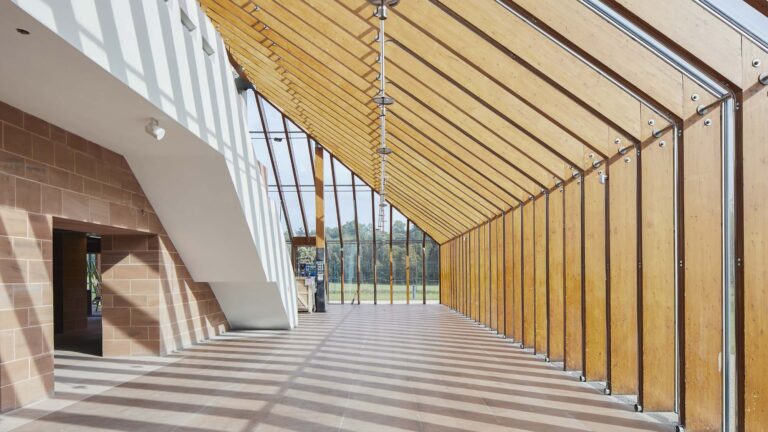
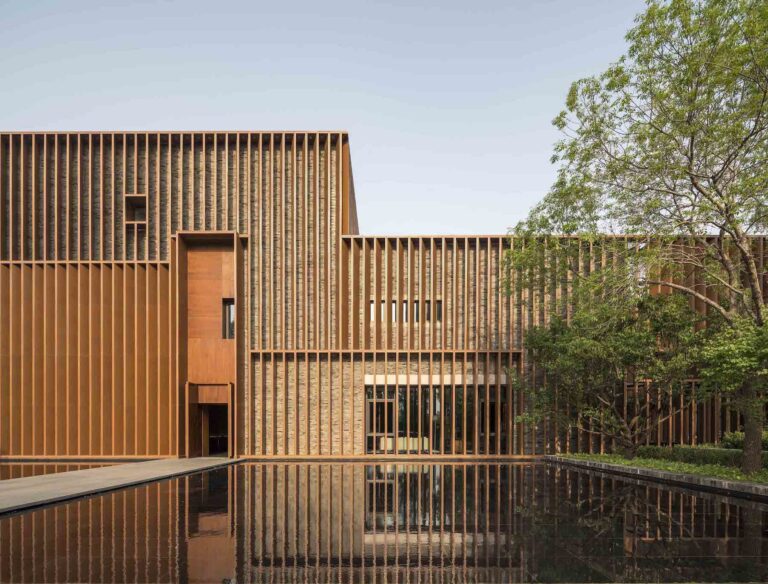
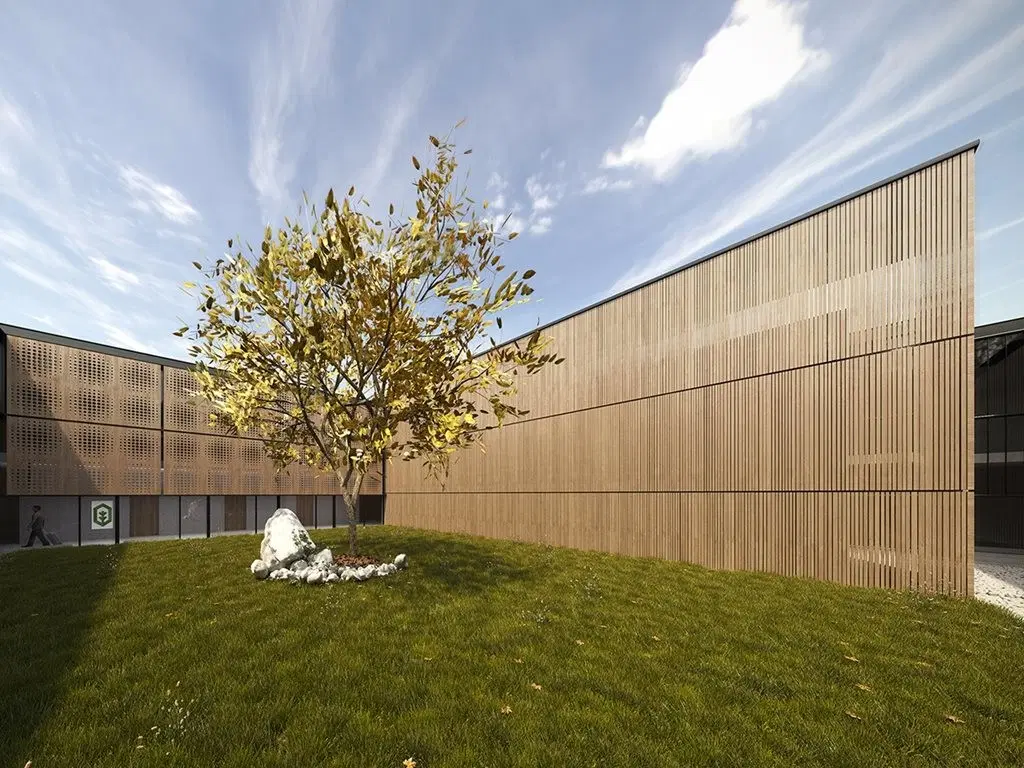
One of the standout features of ventilated facades is their adaptability. They can incorporate a wide range of cladding materials such as glass, stone, terracotta, ceramics, metal panels, or composite materials. This flexibility allows architects to achieve innovative and modern aesthetics.
Real-World Examples of Ventilated Facade Systems
1. Terracotta Ventilated Facade in Office Buildings
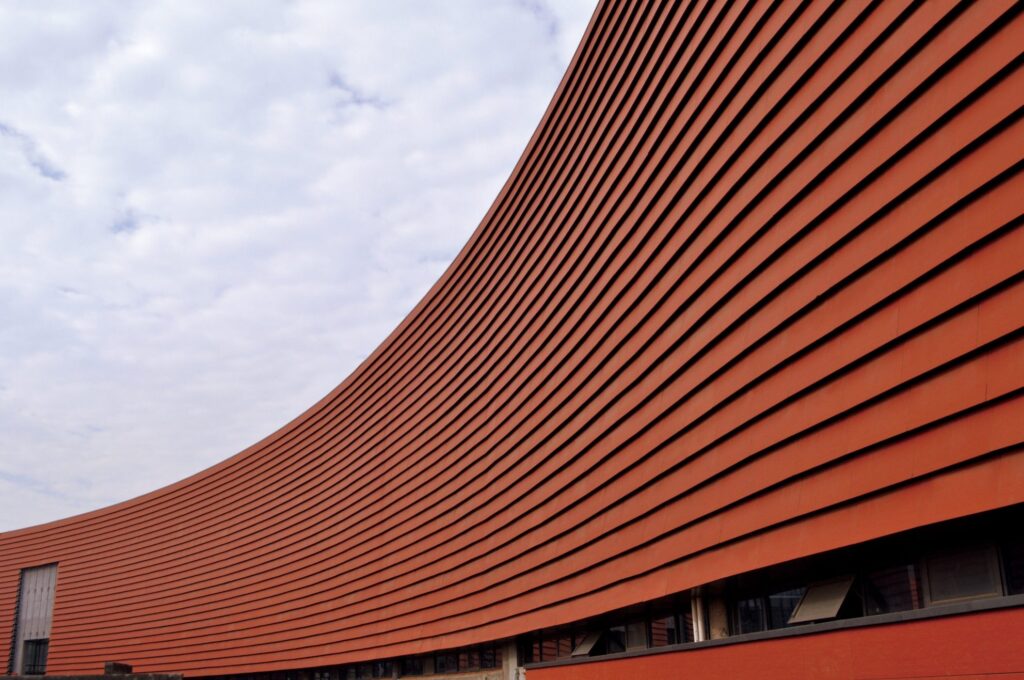
Terracotta panels are widely used in ventilated facades due to their durability, fire resistance, and earthy appearance. Many modern office buildings feature terracotta cladding to achieve a balance between natural aesthetics and sustainability. The ventilated cavity enhances insulation, while the natural material creates an inviting façade that integrates well into urban environments.
This solution is particularly beneficial for corporate buildings seeking green certifications, as it combines eco-friendly materials with energy-saving performance.
2. Aluminum Composite Panels in High-Rise Towers
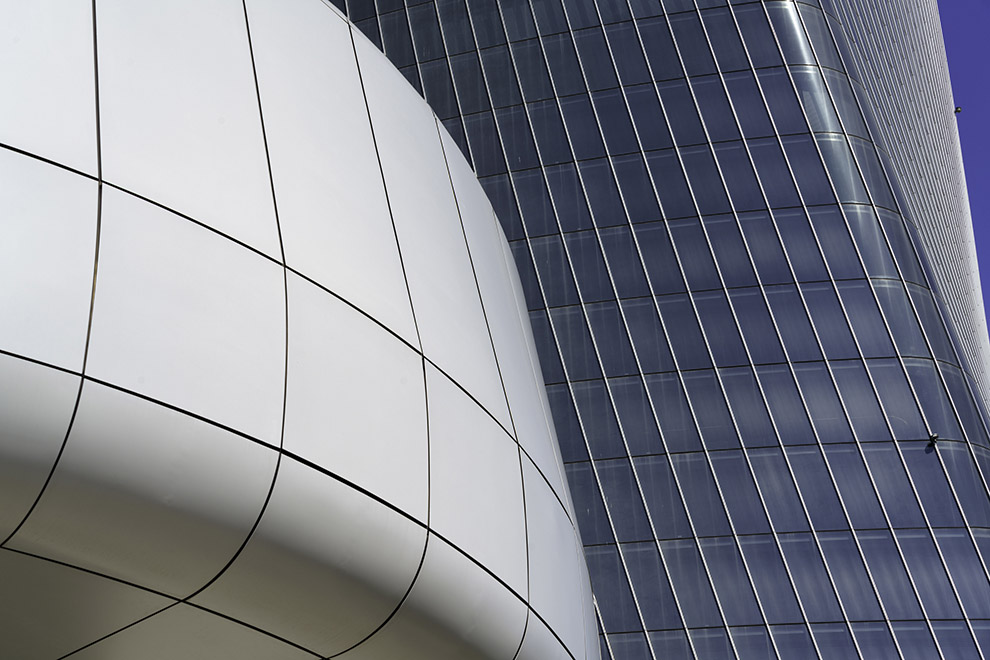
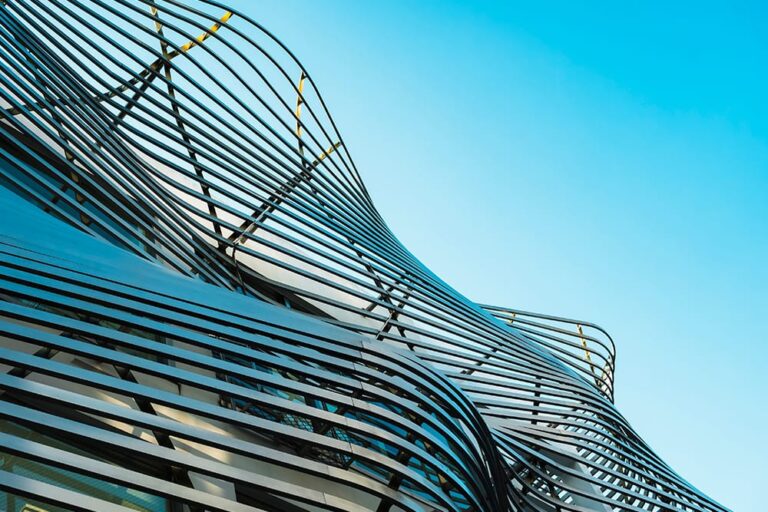
Aluminum composite panels (ACP) are another popular choice for ventilated facades, especially in skyscrapers and high-rise towers. Lightweight, durable, and available in various finishes, ACP systems enable architects to design sleek, futuristic exteriors.
The ventilated cavity helps manage wind pressure in tall buildings while maintaining stable indoor climates. This makes ACP ventilated facades especially effective in dense metropolitan areas with varying weather conditions.
3. Stone-Clad Ventilated Facade in Luxury Hotels
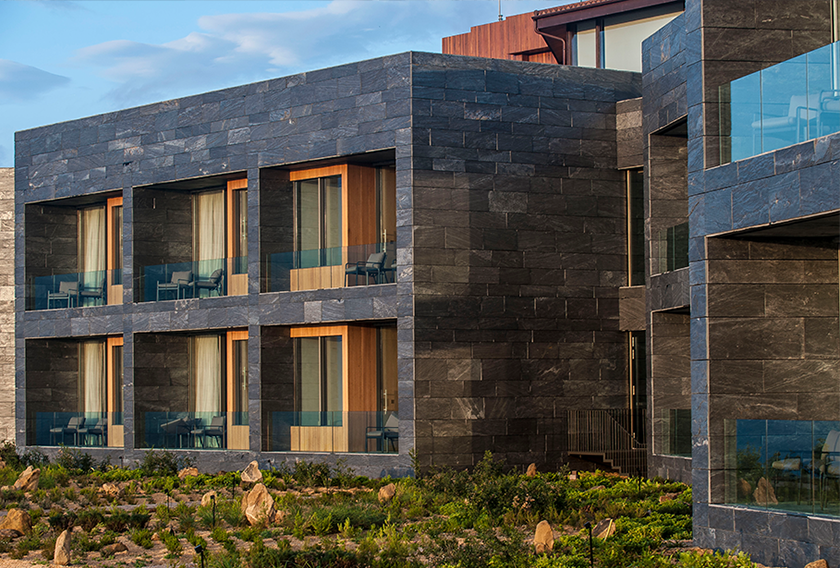
Luxury hotels often employ ventilated facades with natural stone cladding to project elegance and exclusivity. Beyond aesthetics, the ventilated system ensures thermal comfort for guests and reduces operational energy costs for the hotel.
Stone facades are not only timeless in design but also resistant to environmental wear. Combined with ventilated systems, they allow iconic buildings to remain visually striking while being functionally sustainable.
4. Glass Ventilated Facades in Modern Airports
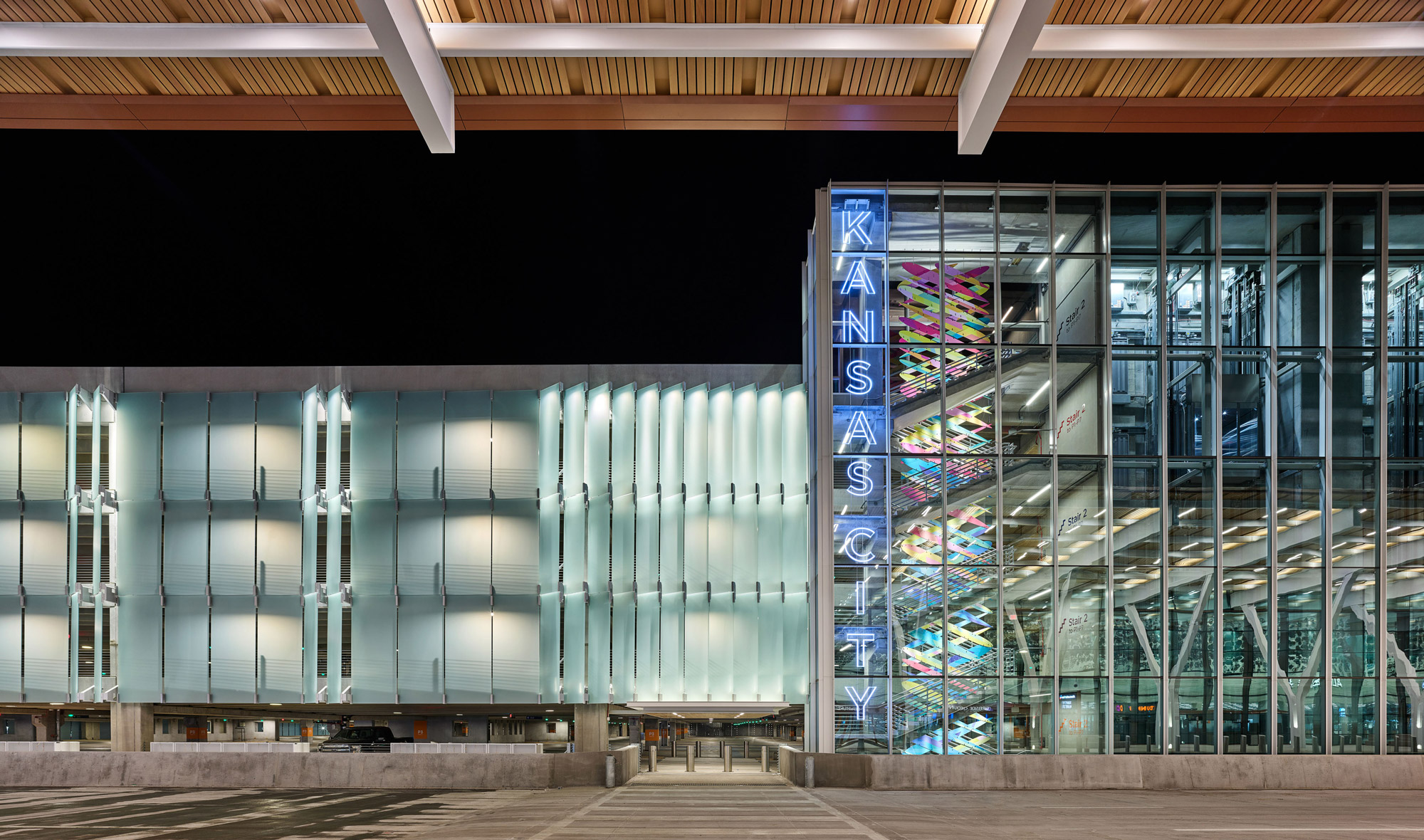
Airports are large-scale facilities that demand both aesthetic appeal and energy efficiency. Ventilated glass facades offer transparency, natural lighting, and modern elegance. By incorporating double or triple-glazed panels with a ventilated cavity, airports achieve superior insulation without sacrificing openness.
This system reduces reliance on artificial lighting and optimizes indoor climate control, making airports more sustainable despite their high energy demands.
Use Cases of Ventilated Facade Systems
Sustainable Residential Buildings
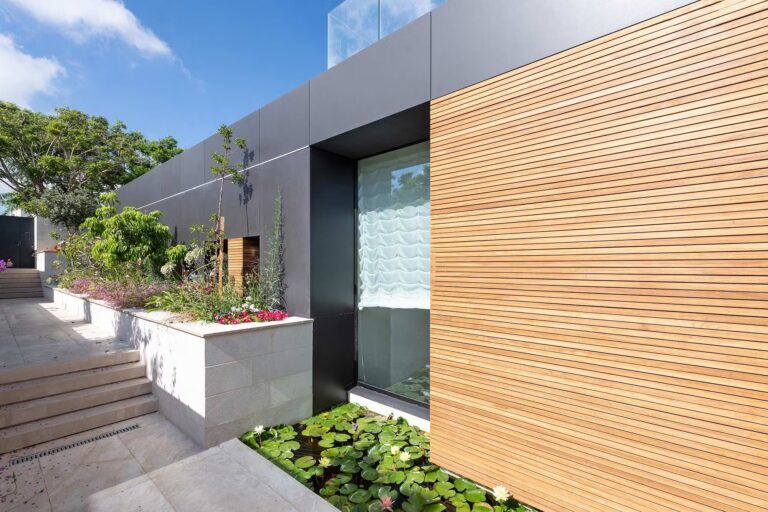
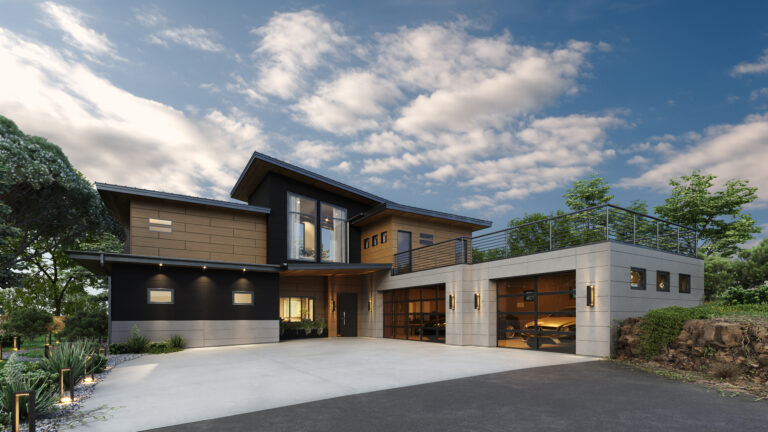
Ventilated facades are increasingly integrated into residential projects, particularly in regions with extreme weather variations. By minimizing heat transfer and allowing breathability, these systems provide homeowners with energy savings and improved living comfort.
Public and Institutional Buildings
Museums, libraries, and universities benefit from ventilated facades by maintaining controlled indoor climates that protect artifacts, books, and sensitive materials. At the same time, the modern façade design elevates the public appeal of such buildings.
Industrial Facilities
Factories and warehouses adopt ventilated facades to enhance energy efficiency and protect machinery from moisture. This reduces maintenance costs while providing a professional and modern exterior.
Urban Redevelopment Projects
Old buildings can be retrofitted with ventilated facades, revitalizing their appearance and performance. Ventilated Facade System. This application is common in European cities where heritage structures are upgraded to meet modern energy standards without altering their historic value.
Practical Benefits in Real Life
Climate Adaptation
Ventilated facades help buildings adapt to climate fluctuations by ensuring continuous airflow. This reduces the risks of overheating in hot summers and excessive heat loss in cold winters.
Reduced Energy Bills
Lower dependency on HVAC systems directly translates into reduced energy costs. Ventilated Facade System. Over time, the investment in ventilated facades is recouped through significant operational savings.
Environmental Contribution
By reducing energy consumption, ventilated facades contribute to lowering carbon emissions. They play a vital role in creating eco-friendly cities and advancing sustainable construction practices worldwide.
Enhanced Aesthetics
The broad selection of materials and finishes empowers architects to create iconic designs that stand out in urban landscapes while also meeting environmental regulations.
Frequently Asked Questions
Q1. What materials are most commonly used in ventilated facade systems?
Common materials include terracotta panels, aluminum composites, natural stone, ceramics, and glass. Each offers unique benefits, ranging from aesthetic flexibility to durability and energy performance.
Q2. Are ventilated facades suitable for retrofitting old buildings?
Yes, ventilated facades are often used in renovation projects. They can modernize building performance, improve insulation, and update aesthetics without requiring major structural changes.
Q3. How do ventilated facades impact long-term building maintenance?
Ventilated facades protect structural walls from weather damage and moisture, reducing the need for frequent repairs. They also extend the lifespan of insulation materials, resulting in lower maintenance costs over time.