Contemporary Water Features: Complete Guide, Benefits, and Inspiring Real-World Examples
Contemporary water features are modern design elements that use the beauty and movement of water to create visually striking and calming environments. From sleek fountains and cascading walls to minimalist reflecting pools, these features bring elegance, tranquility, and sophistication to both indoor and outdoor spaces.
Unlike traditional water features, which often emphasize ornate or classical designs, contemporary water features focus on clean lines, innovative materials, and integration with modern architecture. They can serve as focal points in a garden, courtyard, or interior lobby, enhancing the aesthetic value while also providing sensory and environmental benefits.
Key Elements of Contemporary Water Feature Design
Materials and Finishes
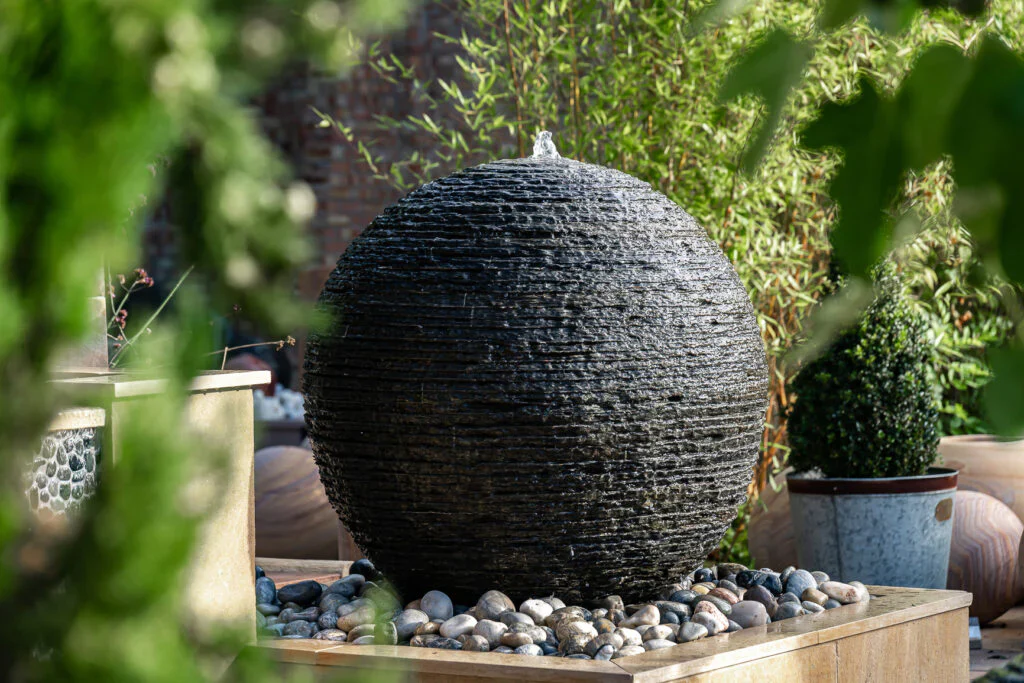
Contemporary water features often use modern materials such as stainless steel, glass, polished stone, and concrete. These materials create sleek, minimalist aesthetics that align with contemporary architecture. Water flowing over reflective surfaces enhances the visual appeal, producing shimmering effects and dynamic movement.
Lighting also plays a critical role in design. Integrated LED systems highlight the water’s flow during nighttime, transforming a simple installation into a dramatic centerpiece. Designers often use subtle, warm tones to maintain elegance or vibrant colors to create striking effects.
Integration with Architecture and Landscape
Contemporary water features are designed to complement their surroundings. For outdoor settings, they can be integrated into gardens, patios, and poolside landscapes. Indoor features are often incorporated into lobbies, hallways, or meditation areas, blending seamlessly with modern interiors.
Placement is crucial. Designers consider how people interact with the feature—whether it is viewed from a distance, used as a backdrop, or experienced up close. Proper positioning enhances not only aesthetics but also the calming sounds of flowing water, which can mask urban noise and create peaceful environments.
Benefits of Contemporary Water Features
Contemporary water features provide more than just beauty. They offer functional, environmental, and psychological benefits that make them valuable additions to homes, commercial buildings, and public spaces.
Aesthetic Enhancement
Water features act as focal points, drawing attention and adding a sense of sophistication to spaces. Their clean, modern designs elevate outdoor landscapes and indoor areas, making them look more refined and inviting.
Stress Reduction and Well-being
The sound of flowing water has therapeutic effects. It reduces stress, promotes relaxation, and creates a calming environment. Contemporary water features are often used in wellness spaces, spas, and gardens for this reason.
Environmental Benefits
Modern water features can be designed with sustainable technology. Recirculating pump systems conserve water, while solar-powered options reduce energy consumption. They also attract birds and beneficial insects, supporting biodiversity.
Increased Property Value
Well-designed water features add uniqueness and luxury to properties. Homes, hotels, and office complexes with striking water installations often see increased market value due to their enhanced appeal.
Real-World Examples of Contemporary Water Features
1. Changi Airport Rain Vortex (Singapore)
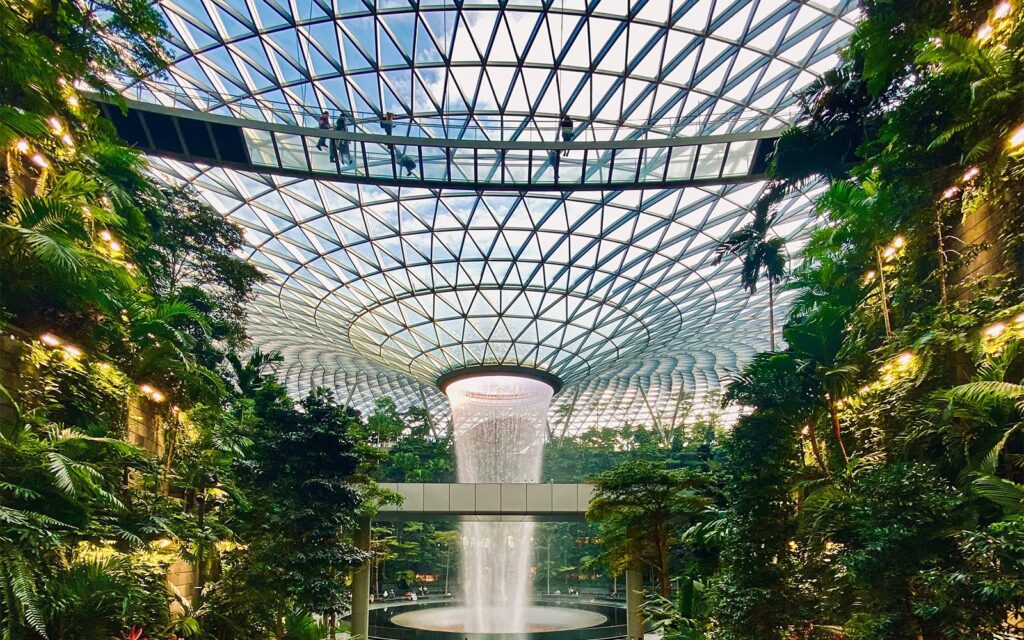
The Rain Vortex at Jewel Changi Airport is the world’s tallest indoor waterfall, standing at 40 meters. This contemporary water feature is not only an architectural marvel but also a centerpiece of the airport’s indoor forest garden.
It demonstrates how water features can integrate with large-scale public spaces to create awe-inspiring experiences. The combination of natural elements, lighting, and modern design makes it one of the most photographed water installations globally.
2. Crown Fountain (Chicago, USA)
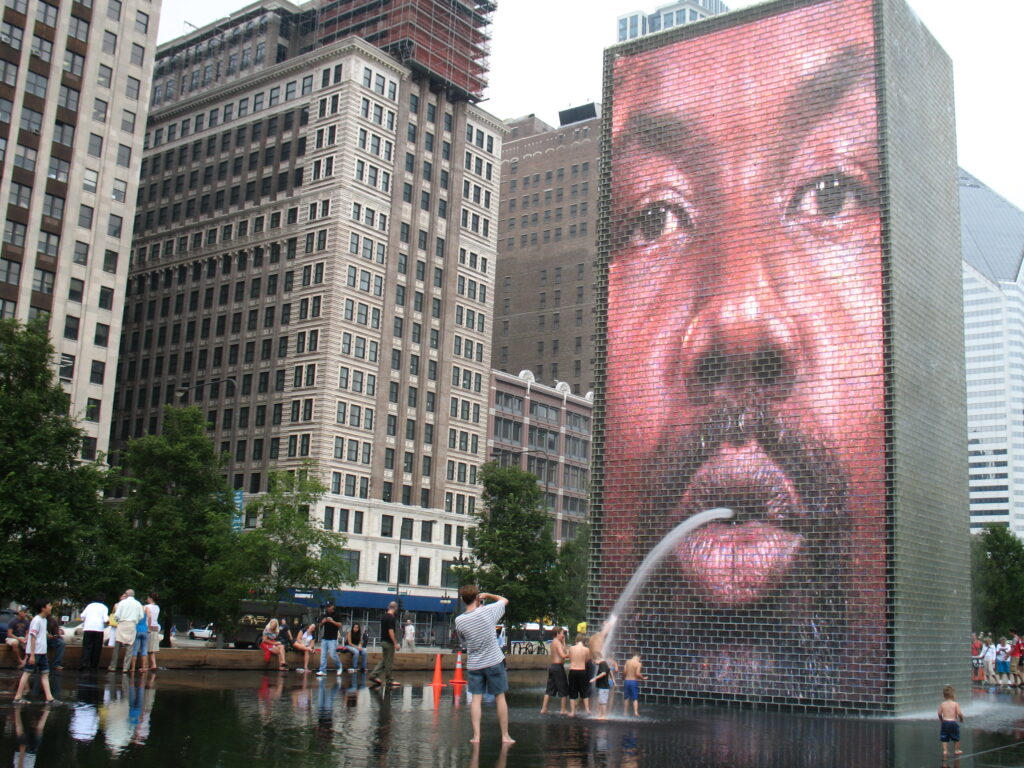
Crown Fountain in Chicago’s Millennium Park is an innovative blend of contemporary art and water design. The installation features two 50-foot glass towers with LED screens that project faces of residents, while water cascades down the surfaces and spouts from the digital mouths.
This project illustrates how contemporary water features can merge technology, interactivity, and art. It has become a cultural landmark, drawing visitors and engaging communities through playful interaction.
3. Apple Park Reflecting Pools (California, USA)
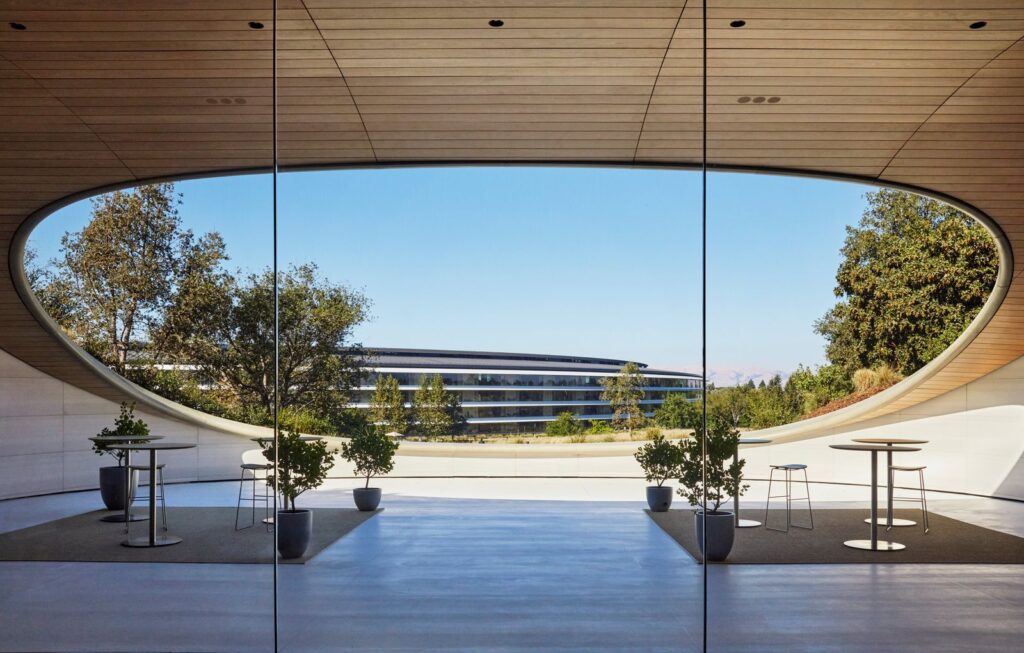
At Apple’s headquarters in Cupertino, sleek reflecting pools complement the minimalist architecture of the campus. These contemporary water features emphasize simplicity and symmetry, aligning with Apple’s design philosophy.
The reflecting pools create serene spaces for employees, enhance the natural light of the environment, and blend seamlessly with the futuristic architecture. They highlight how water features can embody corporate identity and create functional outdoor environments.
4. Dubai Opera Water Fountain (Dubai, UAE)
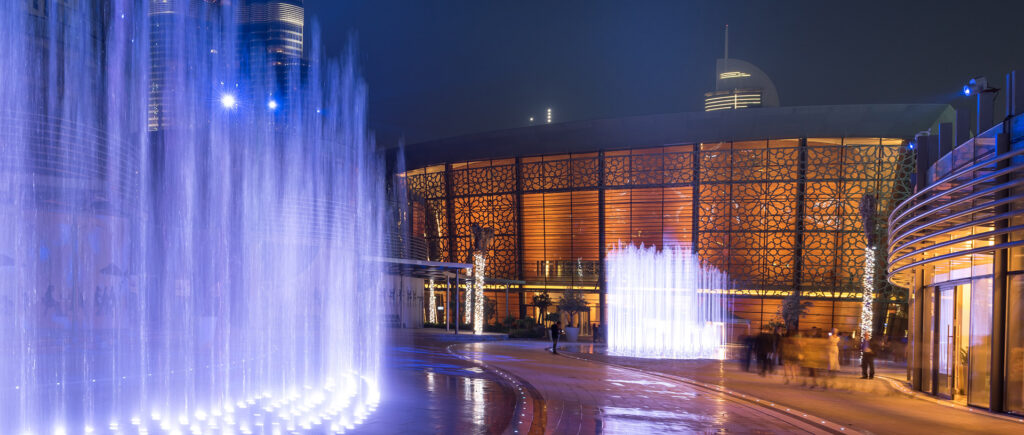
Located near the iconic Dubai Opera, this contemporary water fountain combines choreographed jets, lighting, and music to create mesmerizing performances. Unlike static fountains, this installation embraces dynamic design, captivating audiences with its rhythmic displays.
It shows how contemporary water features can be used as entertainment attractions, enriching public spaces and supporting tourism. The combination of modern technology and artistry makes it a signature landmark.
Practical Use Cases for Contemporary Water Features
Residential Spaces
Homeowners increasingly incorporate water features into gardens, courtyards, and patios. Compact wall fountains or reflecting pools provide elegance while promoting relaxation. In urban homes, indoor water walls add a touch of nature without occupying much space.
Hospitality and Commercial Buildings
Hotels, resorts, and restaurants use water features to enhance guest experiences. A well-designed fountain in a lobby or courtyard creates memorable first impressions, while poolside water features enhance luxury atmospheres.
Public Parks and Cultural Spaces
Cities incorporate contemporary water features into parks, plazas, and cultural landmarks to beautify spaces and engage communities. Interactive fountains encourage public interaction, while artistic water walls add cultural value.
Wellness and Healthcare Facilities
Hospitals, spas, and wellness centers integrate water features to promote healing and relaxation. The presence of moving water supports stress relief, aiding patient recovery and improving overall atmosphere.
Frequently Asked Questions
Q1. Do contemporary water features require a lot of maintenance?
Modern systems are designed with efficiency in mind. Recirculating pumps minimize water waste, and filtration systems keep water clean. However, regular maintenance like cleaning pumps, checking water levels, and inspecting lighting is necessary to ensure smooth operation.
Q2. Can contemporary water features be used indoors?
Yes, many designs are specifically created for indoor use. Indoor water walls and tabletop fountains are popular choices for lobbies, offices, and living rooms. They are designed with controlled flow to prevent splashing and integrate seamlessly with modern interiors.
Q3. Are contemporary water features eco-friendly?
They can be, especially when designed with sustainability in mind. Many use closed-loop water systems to conserve water and solar-powered pumps to reduce energy consumption. Incorporating native plants and aquatic life can further enhance ecological value.