Aluminum Cladding System: Complete Guide, Benefits, and Real-World Applications
Aluminum Cladding System have become one of the most popular solutions for modern architecture, particularly in commercial and residential construction. Known for their durability, sleek appearance, and functionality, these systems provide a unique combination of style and performance. They are widely used as protective exterior layers that shield buildings from harsh environmental conditions while enhancing their aesthetic value.
Unlike traditional wall finishes, aluminum cladding offers a lightweight yet strong alternative that integrates well with both contemporary and classic architectural designs. Over the past decade, the demand for aluminum cladding systems has grown significantly due to their flexibility, easy maintenance, and ability to meet modern energy efficiency standards.
What is an Aluminum Cladding System?
An aluminum cladding system refers to a building exterior covering made from aluminum panels or sheets. These panels are mounted onto a structural framework, creating a layered façade that protects against weather elements such as rain, wind, and sunlight. Beyond protection, aluminum cladding also improves insulation, reduces maintenance costs, and enhances the overall look of the building.
Cladding systems are not just for appearances—they serve as a barrier that prevents moisture infiltration, ensures thermal efficiency, and reduces structural wear. The lightweight nature of aluminum makes it easier to install compared to heavier materials like stone or concrete while still maintaining high durability.
Advantages of Using Aluminum Cladding Systems
Durability and Longevity
Aluminum cladding systems are corrosion-resistant and can withstand harsh weather conditions such as heavy rainfall, strong winds, and prolonged sun exposure. Unlike wood, which can rot, or steel, which can rust, aluminum maintains its integrity for decades, making it a long-term investment for building exteriors.
In addition to resisting natural wear, aluminum cladding also stands strong against industrial pollutants and coastal saltwater, making it suitable for a wide range of environments. Its durability ensures fewer repairs and reduced maintenance costs over the lifespan of the building.
Lightweight and Easy Installation
Compared to materials like brick or concrete, aluminum cladding panels are significantly lighter. This reduces structural load on buildings, allowing for more innovative architectural designs. Contractors also find aluminum easier to transport, handle, and install, which shortens project timelines and lowers labor costs.
The ease of customization further adds to its benefits. Aluminum panels can be cut, bent, or coated in different colors and textures, allowing architects to achieve both functionality and creativity.
Energy Efficiency and Sustainability
Modern aluminum cladding systems often include insulation layers that improve energy efficiency. By reducing heat transfer, they help maintain stable indoor temperatures, lowering energy consumption for cooling and heating. This makes aluminum cladding a smart choice for green building projects.
Moreover, aluminum is 100% recyclable without losing quality. Recycled aluminum requires significantly less energy to produce compared to new aluminum, contributing to sustainable construction practices.
Real-World Examples of Aluminum Cladding Systems
1. High-Rise Commercial Towers
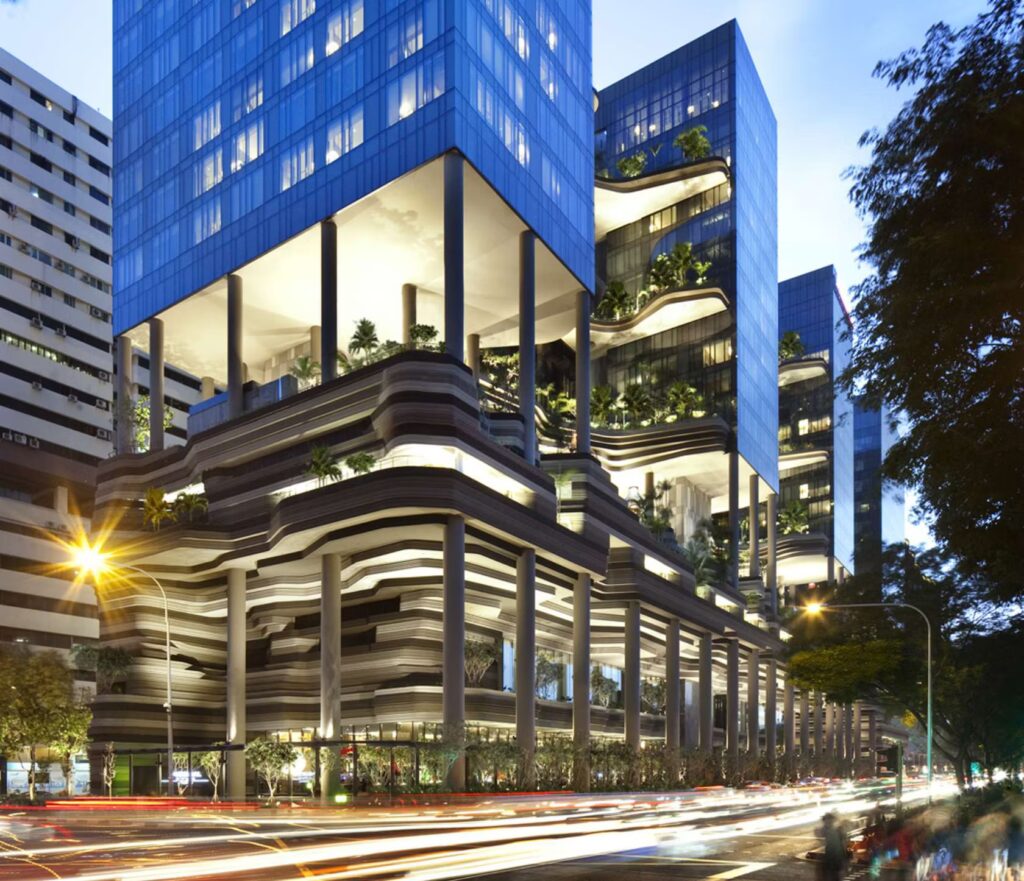
Many high-rise office towers around the world use aluminum cladding systems to achieve a sleek, modern exterior. For instance, skyscrapers in cities like Dubai, New York, and Singapore rely on aluminum façades because of their lightweight strength and ability to withstand extreme weather.
The reflective coating on aluminum cladding also helps in reducing heat absorption, which is especially beneficial in hot climates. By maintaining cooler indoor environments, these buildings significantly cut down on energy costs.
2. Modern Residential Buildings
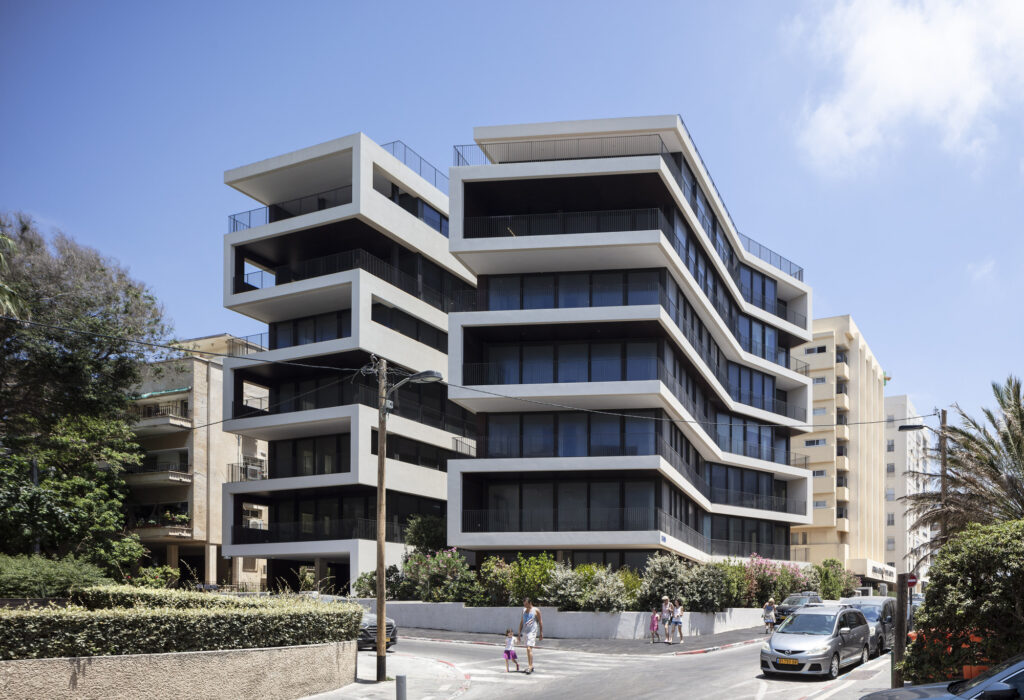
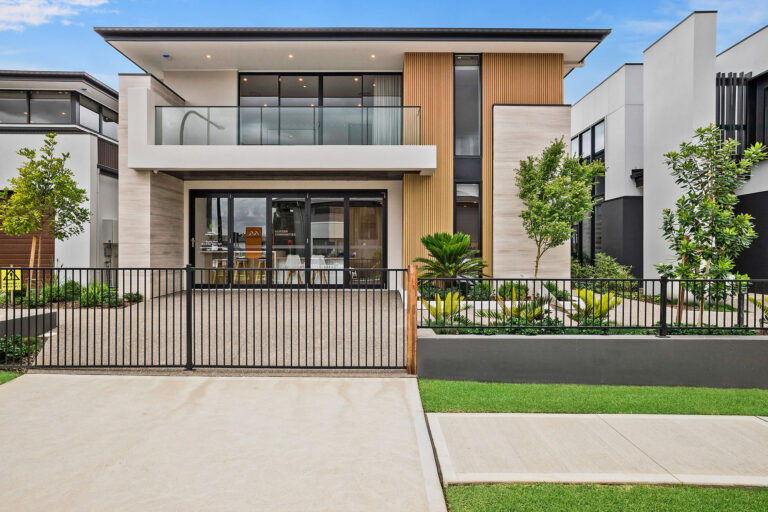
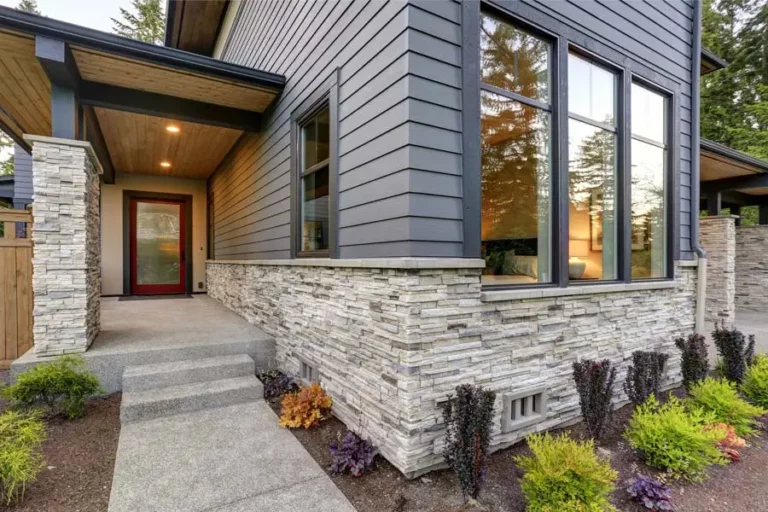
Residential complexes and high-end apartment buildings are increasingly adopting aluminum cladding for its stylish appeal and durability. Unlike traditional materials, aluminum panels can be customized in a variety of finishes, including matte, metallic, and wood-like textures.
This flexibility allows homeowners and developers to design exteriors that blend seamlessly with urban or suburban landscapes. Beyond aesthetics, the added insulation and weather resistance create comfortable living spaces with lower energy bills.
3. Public Infrastructure Projects
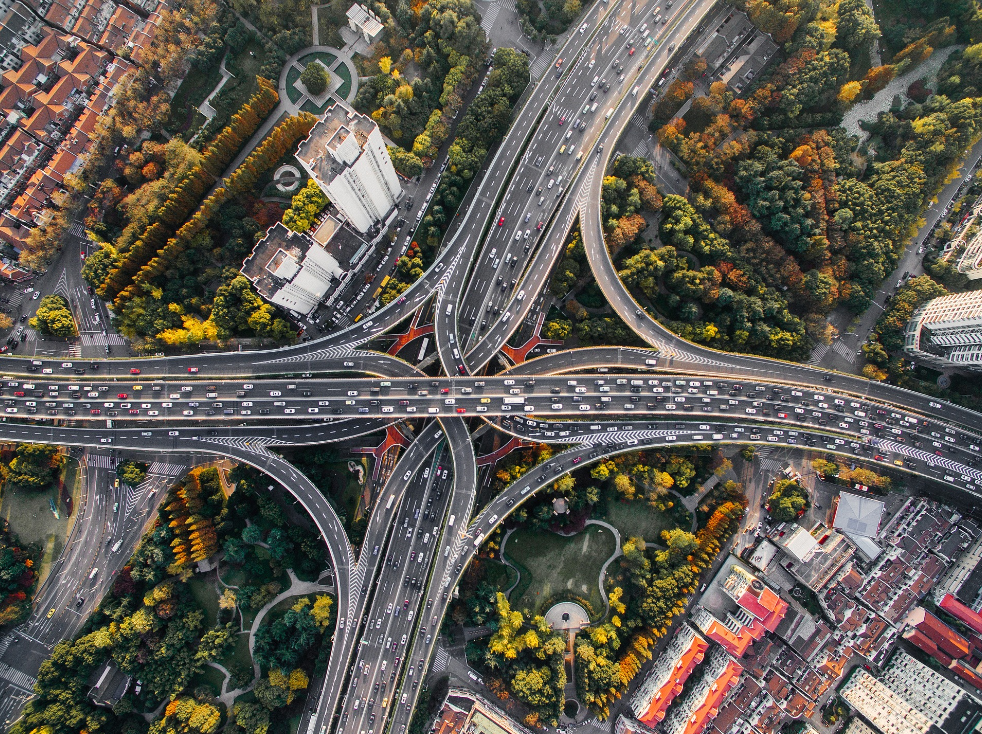
Airports, train stations, and government buildings frequently use aluminum cladding systems due to their ability to handle high traffic, pollution, and environmental stress. Aluminum’s low maintenance requirements and corrosion resistance make it ideal for such demanding applications.
For example, many international airports integrate aluminum cladding in their design to achieve both modern aesthetics and practicality. Aluminum Cladding System. The panels are not only durable but also fire-resistant, ensuring safety and compliance with strict building codes.
4. Retail and Hospitality Buildings
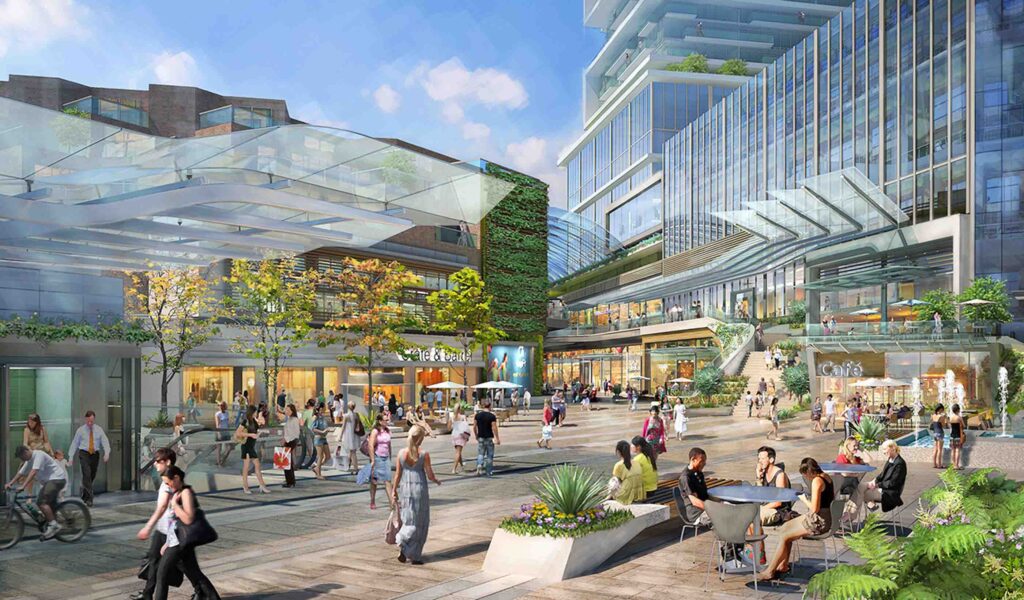
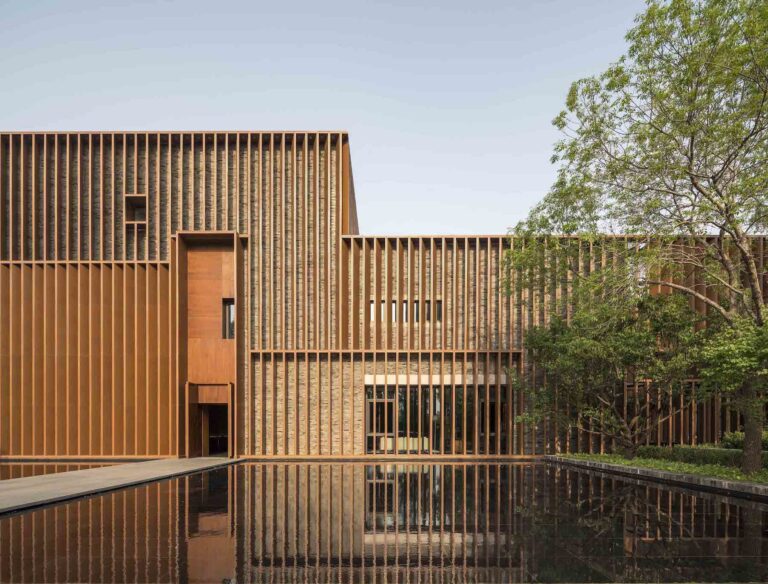
Shopping malls, hotels, and restaurants often choose aluminum cladding to create eye-catching façades that attract visitors. Aluminum allows for unique architectural designs, including curved or perforated panels that stand out visually while offering practical weather protection.
In retail spaces, aluminum cladding is often combined with glass walls to create a sophisticated, high-end atmosphere. This combination enhances brand image while ensuring the building remains energy-efficient and structurally sound.
Benefits of Aluminum Cladding in Real-Life Applications
Enhanced Aesthetics
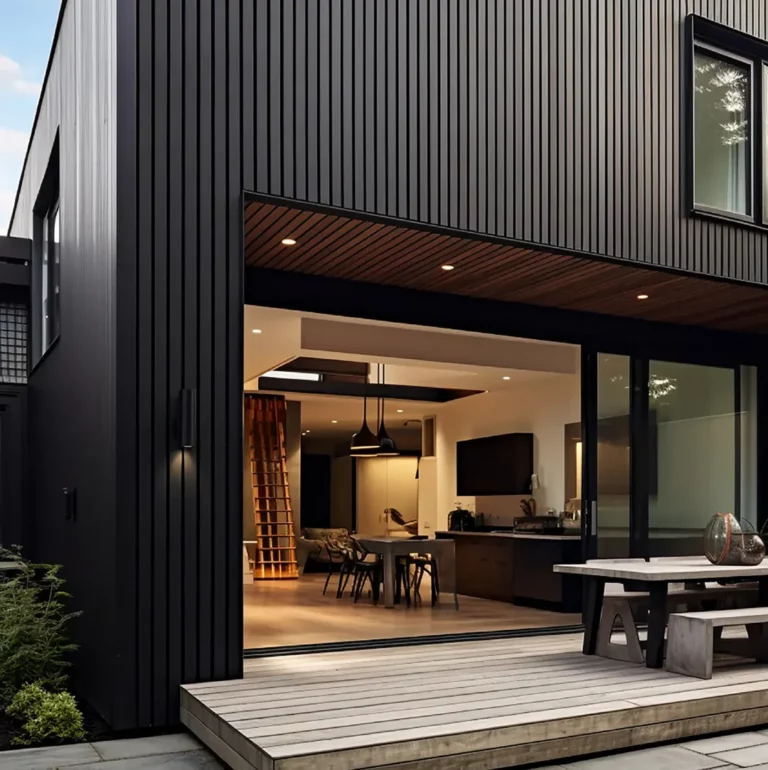
One of the most significant advantages of aluminum cladding is its ability to transform building design. From glossy metallic finishes to natural wood imitations, aluminum offers countless design possibilities. This flexibility allows architects to create iconic buildings that reflect modern architectural trends.
Low Maintenance Requirements
Unlike other exterior finishes that require frequent repainting or repairs, aluminum cladding maintains its look with minimal upkeep. A simple cleaning routine is usually enough to keep the panels looking new, saving both time and money over the long term.
Safety Features
Modern aluminum cladding systems are designed with fire-resistant coatings and comply with safety regulations. This ensures that they provide not just beauty and functionality but also essential protection for occupants in case of emergencies.
Use Cases of Aluminum Cladding Systems
Urban Skyscrapers in Hot Climates
In regions with extreme heat, aluminum cladding reduces solar gain and lowers indoor cooling requirements. This makes it highly valuable for energy conservation in commercial skyscrapers.
Coastal Buildings Exposed to Saltwater
For buildings located near the sea, corrosion is a major concern. Aluminum cladding’s resistance to saltwater corrosion makes it a superior choice compared to steel or concrete.
Renovation of Old Buildings
Older buildings can be modernized with aluminum cladding without major structural changes. By installing lightweight aluminum panels, property owners can refresh the appearance, improve insulation, and extend the building’s lifespan.
Frequently Asked Questions (FAQ)
Q1. Is aluminum cladding environmentally friendly?
Yes. Aluminum is 100% recyclable and requires less energy to recycle than to produce new material. Its energy efficiency also contributes to sustainable building practices.
Q2. How long does aluminum cladding last?
Aluminum cladding can last several decades, often more than 40 years, with minimal maintenance. Its resistance to corrosion and weather damage ensures a long lifespan.
Q3. Can aluminum cladding be customized in design?
Absolutely. Aluminum panels come in various colors, finishes, and textures. They can be customized to match specific architectural styles, from sleek modern designs to wood-like appearances.