Automated Lawn Care Systems: Complete Guide, Benefits, and Real-World Examples
Automated lawn care systems are revolutionizing how homeowners and property managers maintain their outdoor spaces. These systems integrate smart technology, robotics, and sensors to handle tasks like mowing, watering, fertilizing, and monitoring soil health. Instead of spending hours each week pushing a lawnmower or adjusting sprinklers, users can now rely on automated solutions to keep lawns green, healthy, and well-maintained year-round.
The rise of these systems is closely linked to the smart home movement. Just as homes are becoming automated with devices like thermostats and lighting, outdoor environments are now benefiting from connected solutions. Automated lawn care systems not only save time but also reduce water waste, improve plant health, and create a consistent, well-kept appearance without heavy manual effort.
How Automated Lawn Care Systems Work
Automated lawn care systems use a combination of robotics, artificial intelligence, and environmental sensors to manage different aspects of lawn maintenance. For example, robotic lawn mowers use boundary wires or GPS navigation to autonomously trim grass, while smart irrigation systems adjust watering schedules based on real-time weather forecasts and soil moisture levels.
Most systems connect to mobile apps, allowing users to monitor progress, adjust schedules, and receive maintenance alerts. Some advanced models can even integrate with voice assistants like Alexa or Google Assistant, providing hands-free control.
These systems can be standalone products, such as a robotic mower, or fully integrated smart yard ecosystems that combine mowing, irrigation, and soil management into one platform.
Benefits of Using Automated Lawn Care Systems
The primary benefit of automated lawn care systems is convenience. Homeowners no longer need to dedicate hours each week to mowing or watering. However, the advantages go far beyond just saving time.
Time and Labor Savings
Traditional lawn maintenance can take several hours each week, especially for larger properties. Automated systems dramatically reduce manual effort, freeing up time for other activities while ensuring consistent lawn care.
Environmental Sustainability
Smart irrigation systems minimize water waste by only watering when necessary. Similarly, robotic mowers use electric power, which reduces carbon emissions compared to gasoline-powered mowers. This makes automated lawn care an eco-friendly solution.
Improved Lawn Health
Automated systems deliver precise and consistent care. Robotic mowers cut grass in small increments, recycling clippings as natural fertilizer. Smart irrigation provides the right amount of water based on soil and weather conditions, preventing overwatering or drought stress.
Cost Efficiency Over Time
While the initial investment can be significant, automated lawn care systems reduce costs associated with water usage, fuel, fertilizers, and professional landscaping services. Over time, they pay for themselves through resource savings and reduced maintenance needs.
Real-World Examples of Automated Lawn Care Systems
1. Husqvarna Automower (Robotic Lawn Mower)

The Husqvarna Automower is one of the most advanced robotic lawn mowers available. It uses GPS-assisted navigation to cover complex lawn layouts and can handle slopes and uneven terrain. Equipped with weather sensors, it adjusts mowing schedules automatically.
This mower trims grass in small clippings, which decompose quickly to fertilize the lawn naturally. It operates quietly and returns to its charging station autonomously when the battery is low. For busy homeowners, it provides a seamless solution for keeping grass neat without lifting a finger.
2. Rain Bird Smart Irrigation System
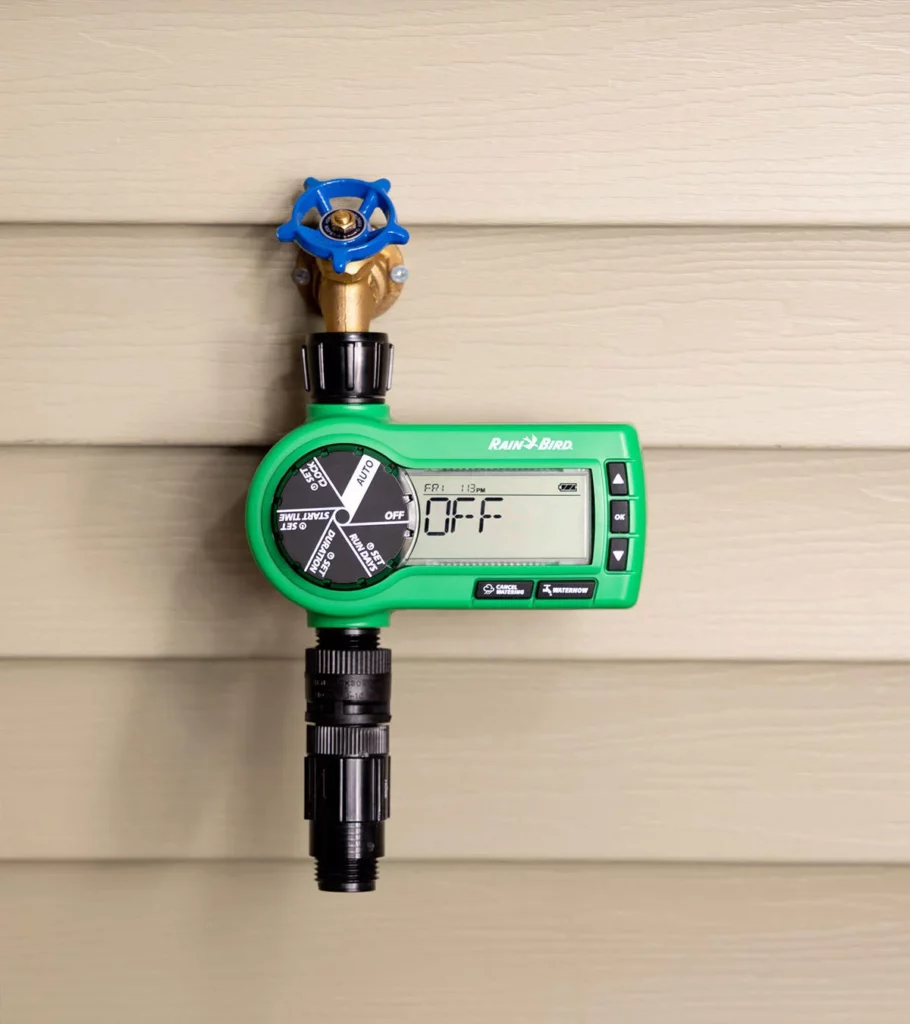
Rain Bird is a leading name in irrigation technology. Its smart irrigation system uses soil moisture sensors and real-time weather data to determine the exact watering needs of a lawn. Unlike traditional sprinklers that run on fixed schedules, Rain Bird ensures water is used efficiently, reducing waste by up to 50%.
This system is highly beneficial in regions with water restrictions or variable weather conditions. Automatically adapting to environmental changes helps homeowners maintain a lush lawn while conserving valuable resources.
3. Gardena Smart System
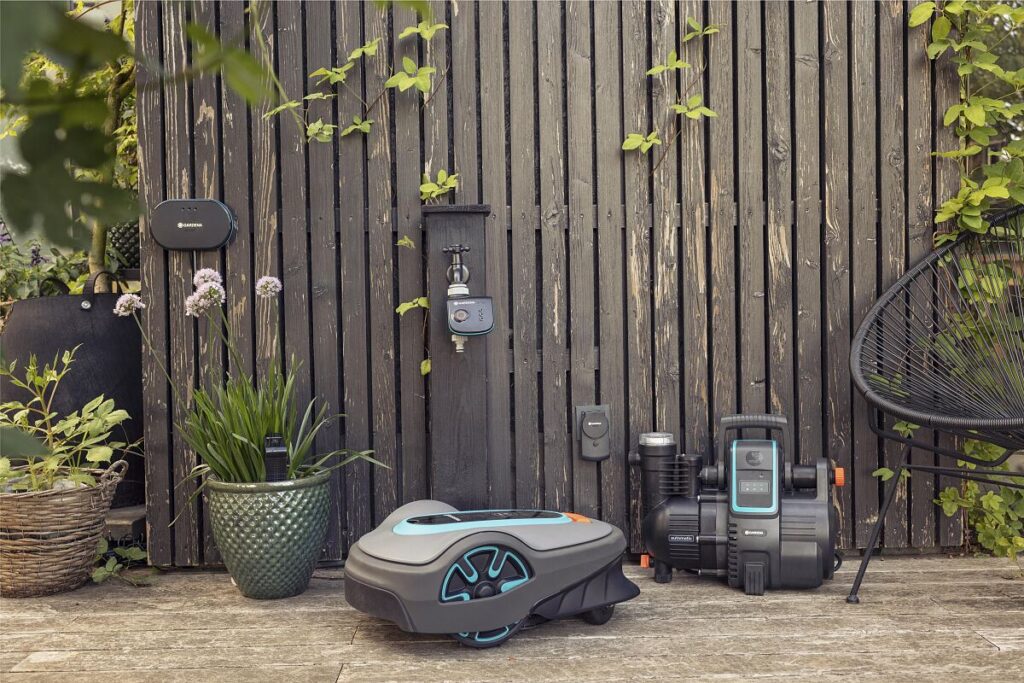
The Gardena Smart System is a fully integrated solution that combines robotic mowing, irrigation, and soil monitoring into one platform. Through the Gardena app, users can control multiple devices, set schedules, and receive data-driven insights into their lawn’s health.
Its robotic mower works in tandem with smart irrigation, ensuring grass is always cut and watered at optimal times. The system’s soil sensors provide detailed feedback about nutrient levels and moisture content, enabling a holistic approach to lawn care.
4. Worx Landroid Mower
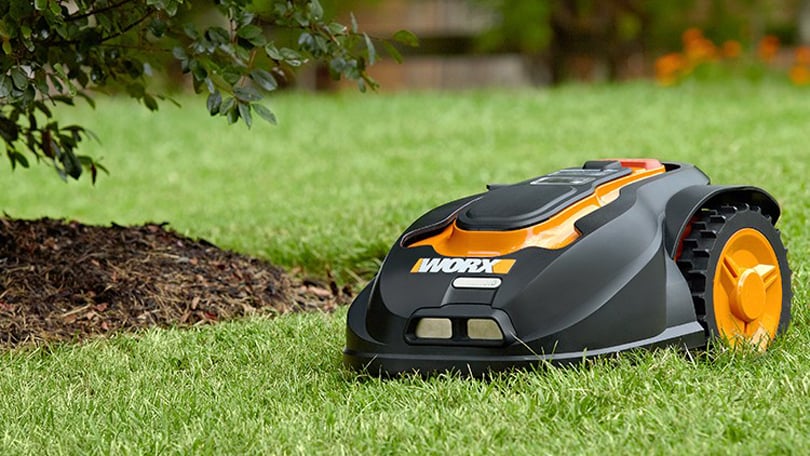
The Worx Landroid is a compact and affordable robotic mower that adapts to different lawn sizes and shapes. It uses AI algorithms to improve navigation and avoid obstacles. The mower’s smart app allows users to schedule mowing, track battery life, and set cutting zones for customized lawn care.
The Landroid is designed with user-friendliness in mind. It’s ideal for smaller to mid-sized lawns, offering homeowners an accessible entry point into automated lawn care without sacrificing essential features.
Practical Use Cases for Automated Lawn Care Systems
Automated lawn care systems address common challenges faced by homeowners, landscapers, and businesses alike.
Busy Homeowners with Limited Time
For individuals working long hours or managing multiple responsibilities, automated lawn care ensures lawns remain well-kept without requiring constant attention. Robotic mowers and irrigation systems handle the hard work, allowing homeowners to enjoy their outdoor spaces rather than laboring over them.
Large Properties and Commercial Spaces
Maintaining extensive lawns in parks, sports fields, or corporate campuses requires significant labor. Automated systems reduce reliance on manual landscaping teams and ensure consistent results across large areas.
Water-Restricted Areas
In regions prone to droughts or water shortages, smart irrigation systems provide a critical solution. By adjusting watering schedules based on soil moisture and weather, they help maintain healthy lawns while complying with local water conservation regulations.
Elderly or Physically Limited Homeowners
For seniors or those with physical limitations, lawn maintenance can be challenging. Automated systems provide independence by eliminating the need for heavy lifting, bending, or extended time outdoors in harsh conditions.
Frequently Asked Questions
Q1. Are automated lawn care systems suitable for all lawn sizes?
Yes, most systems are adaptable to different lawn sizes. Robotic mowers, for example, come in models designed for small, medium, and large properties. However, choosing the right system depends on lawn size, terrain complexity, and budget.
Q2. Do automated lawn care systems require regular maintenance?
While these systems reduce manual work, they still need occasional maintenance. For robotic mowers, blades must be replaced periodically, and sensors should be cleaned. Irrigation systems may require seasonal adjustments and sensor checks.
Q3. How do automated systems handle obstacles in the yard?
Modern robotic mowers and irrigation systems use advanced sensors and AI algorithms to detect and avoid obstacles. Some models learn the layout of the yard over time, improving their navigation and efficiency with regular use.