Brick Facade Renovation: Techniques, Benefits, and Modern Solutions for Lasting Exteriors
Brick facade renovation is the process of repairing, restoring, or modernizing the outer brick walls of a building. Over time, exposure to weather, pollution, and natural wear can cause brick facades to deteriorate, losing their original charm and structural integrity. Renovation not only preserves the aesthetics of a property but also ensures its long-term durability.
Unlike full reconstruction, facade renovation allows property owners to maintain historical elements while integrating modern techniques. This makes it a popular choice for heritage buildings, residential properties, and commercial spaces that value architectural identity. Renovation can range from minor cleaning and repointing to extensive structural repairs, depending on the condition of the facade.
Key Techniques Used in Brick Facade Renovation
Cleaning and Surface Treatment
Cleaning is often the first step in restoring a brick facade. Techniques such as pressure washing, chemical cleaning, or gentle abrasive blasting remove dirt, moss, and pollutants that cause discoloration. The method chosen depends on the brick type and building regulations, especially in historical properties.
Modern technologies also include laser cleaning, which can remove dirt without damaging the brick surface. This approach is increasingly used for heritage buildings where preservation is critical.
Repointing and Mortar Renewal
Repointing involves replacing old or damaged mortar between bricks. Mortar deterioration can lead to water infiltration and structural instability. Skilled craftsmen carefully remove weakened mortar and replace it with new material that matches the building’s original look.
This technique restores both the structural strength and the aesthetic value of the facade. Choosing the right mortar mix is crucial, as modern cement-based mortar may not always be suitable for older brickwork that requires lime-based alternatives.
Structural Reinforcement and Brick Replacement
In cases where bricks are cracked, loose, or missing, selective replacement is necessary. Contractors often source reclaimed bricks to ensure visual consistency with the original structure.
For facades with deeper issues, such as bulging walls or compromised load-bearing sections, reinforcement techniques like wall ties, anchors, or steel supports may be introduced. This not only restores stability but also prevents further deterioration.
Real-World Examples of Brick Facade Renovation
1. Historic Townhouse Restoration
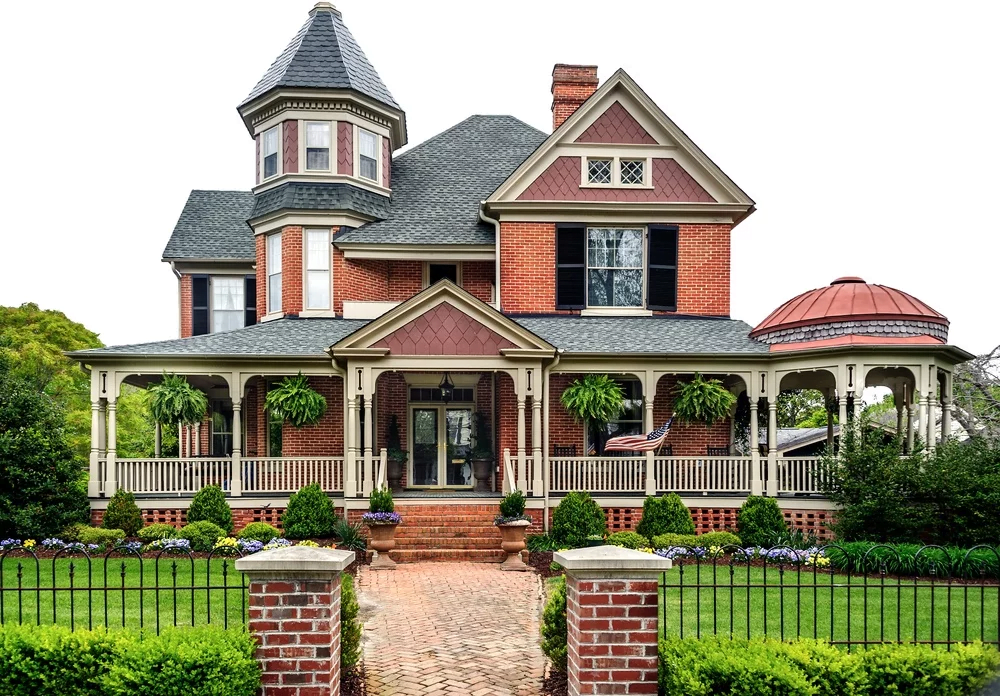
A historic townhouse in an urban European city underwent brick facade renovation after decades of neglect. The project involved cleaning soot and pollution deposits, repointing mortar joints, and replacing damaged bricks with reclaimed ones.
The renovation preserved the original charm of the building, ensuring it blended seamlessly into the heritage district. By using traditional lime mortar, contractors maintained breathability in the walls, preventing future moisture damage.
2. Industrial Warehouse Conversion
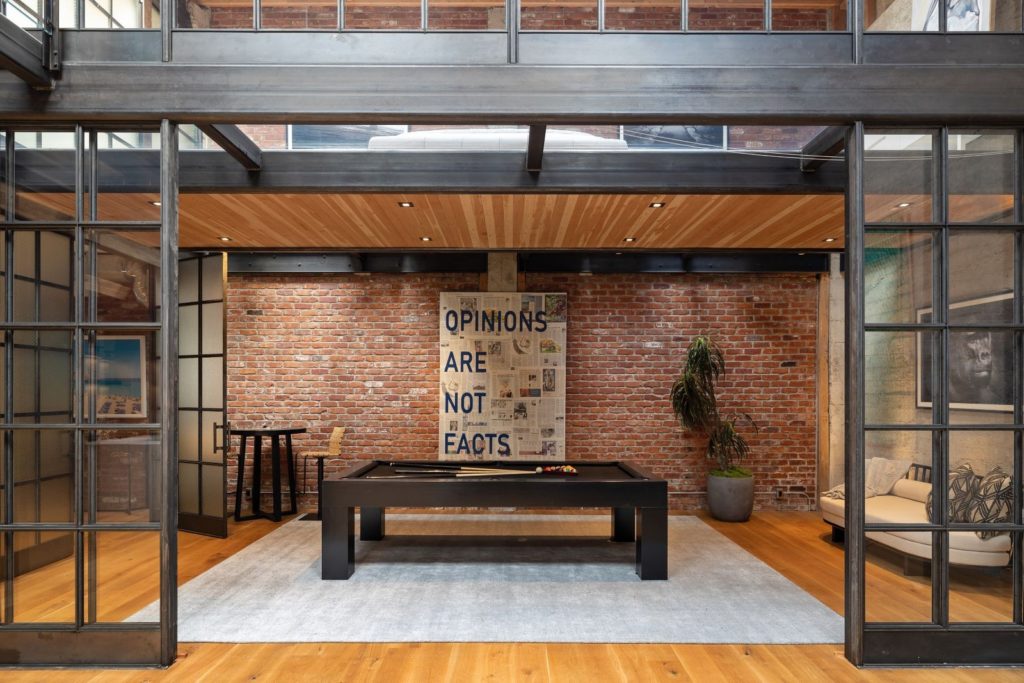
An old warehouse was transformed into modern loft apartments while retaining its original brick facade. The renovation team reinforced structural weaknesses, added steel anchors for safety, and treated the surface with protective coatings to resist urban pollutants.
This project showcased how brick facade renovation can combine historic industrial aesthetics with contemporary residential functionality. The result was a visually appealing structure that retained authenticity while offering modern living spaces.
3. Residential Home Facade Upgrade
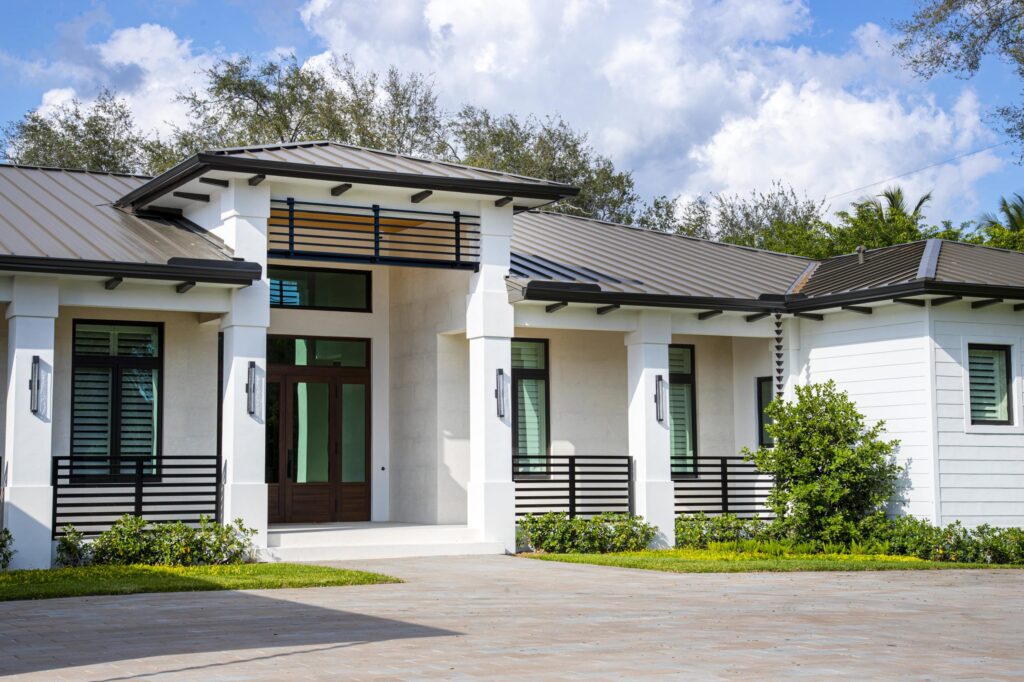
A suburban home built in the 1970s required a facelift due to faded and cracked exterior walls. Instead of replacing the entire structure, the homeowners opted for brick facade renovation. The process included deep cleaning, mortar renewal, and the addition of a breathable protective sealant.
This not only revived the home’s curb appeal but also improved its insulation properties. The renovation added value to the property and reduced long-term maintenance needs.
4. Urban School Building Restoration
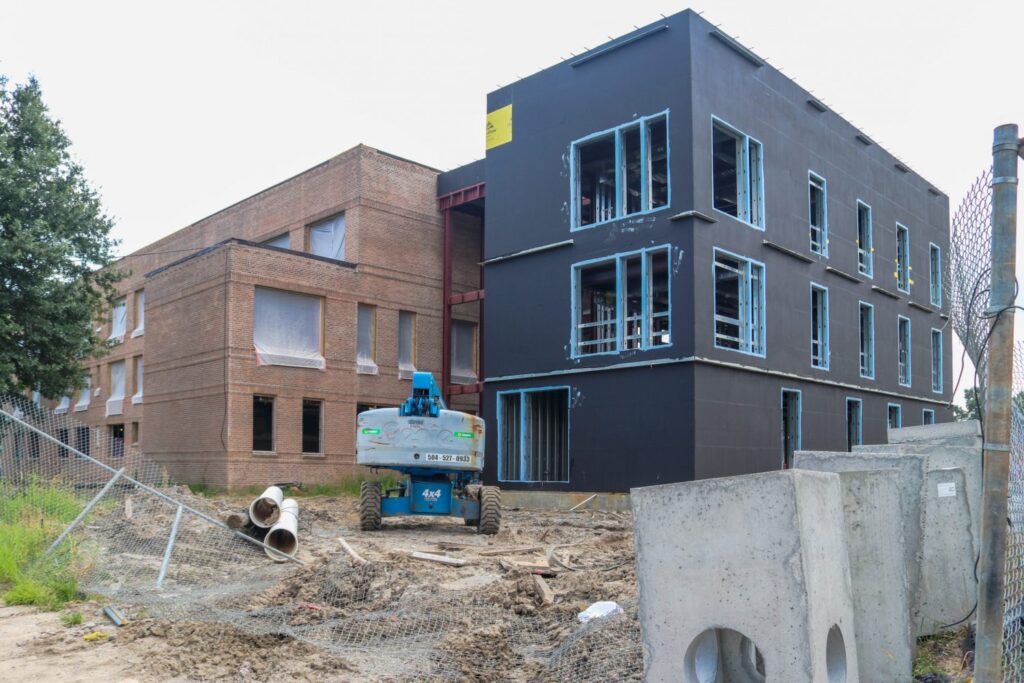
A school building that had stood for nearly a century showed signs of erosion and structural wear. Renovation efforts included replacing heavily damaged sections, repointing joints, and adding weather-resistant treatments.
The project ensured the safety of the building while also preserving its historical identity. Students and the community benefited from a safer, visually renewed educational environment.
Benefits of Brick Facade Renovation
Brick facade renovation offers numerous practical and aesthetic benefits, making it a valuable investment for both residential and commercial properties.
One of the most significant advantages is an extended building lifespan. By addressing structural weaknesses, owners can prevent small issues from becoming costly future repairs. Renovation also enhances energy efficiency, as properly sealed joints and protective coatings help regulate indoor temperatures.
Another key benefit is increased property value. A well-maintained exterior boosts curb appeal, which is critical for resale or rental purposes. In heritage districts, preserving original facades also helps maintain cultural value and comply with architectural regulations.
From a functional perspective, renovated facades require less maintenance. Treatments that resist moisture, moss, and pollutants extend the time between cleaning cycles. For homeowners, this translates to reduced upkeep costs and improved comfort.
Use Cases of Brick Facade Renovation
Preserving Historical Buildings
Brick facade renovation is essential for historical buildings where full reconstruction would destroy heritage value. It allows architects to respect tradition while integrating modern durability solutions.
Enhancing Residential Curb Appeal
Homeowners use brick facade renovation to give their properties a modern, fresh appearance without compromising original character. This is especially beneficial for older homes showing signs of age.
Improving Safety in Public Structures
Schools, libraries, and government buildings benefit from facade renovation, as it strengthens walls and prevents accidents caused by loose or falling bricks.
Adaptive Reuse of Industrial Buildings
Many old factories and warehouses are converted into offices, apartments, or cultural centers. Brick facade renovation ensures these buildings retain their authentic industrial aesthetics while meeting safety standards.
Frequently Asked Questions (FAQ)
Q1. How often should a brick facade be renovated?
The frequency depends on the building’s exposure to weather and pollution. On average, facades may require inspection and minor repairs every 20–30 years, with cleaning as needed.
Q2. Can modern protective coatings damage old brick facades?
Not necessarily. The key is to choose breathable coatings that allow moisture to escape. Non-breathable sealants can trap moisture, leading to long-term damage.
Q3. What is the difference between brick facade renovation and restoration?
Renovation focuses on both improving aesthetics and function, which may include modern updates. Restoration, on the other hand, aims to return the facade to its original historical state with minimal alteration.