Contemporary House Exterior Design: Modern Styles and Inspirations for 2025
Contemporary house exterior design refers to the architectural style that reflects the current trends of modern living while integrating functionality, sustainability, and aesthetic appeal. Unlike traditional designs, contemporary exteriors often emphasize clean lines, geometric shapes, open spaces, and innovative materials. The focus is not only on appearance but also on practicality, ensuring that homes remain energy-efficient and aligned with the latest building technologies.
The rise in demand for contemporary house exteriors comes from homeowners wanting a balance between stylish visuals and functionality. Materials like glass, steel, and concrete are often combined with eco-friendly finishes, making these designs both modern and environmentally conscious. This style is ever-evolving, adapting to the needs of modern living while reflecting global architectural influences.
Key Features of Contemporary House Exterior Design
One of the defining elements of contemporary exterior design is the emphasis on simplicity and minimalism. Instead of ornate details, these designs showcase sleek facades, flat or low-pitched roofs, and natural finishes that highlight architectural balance. Large windows, open balconies, and seamless indoor-outdoor transitions create a welcoming and spacious feel.
Another key characteristic is the integration of sustainable building materials. Designers often use recycled steel, natural stone, or eco-conscious wood alternatives. Energy-efficient windows, solar panels, and green roofing systems are also common, showcasing a commitment to both style and environmental responsibility.
The Role of Technology in Modern Exterior Design
Technology has become a core part of how contemporary exteriors are created, maintained, and enjoyed. Smart lighting systems, for instance, enhance both safety and aesthetics by highlighting architectural details during the evening while conserving energy. Motion-detection outdoor lighting has become a standard feature in many modern homes.
Additionally, advanced exterior materials like weather-resistant coatings and thermal insulation contribute to durability and comfort. With the integration of smart home technology, exterior gates, doors, and even landscaping can now be automated, creating a seamless blend of functionality and modern design.
Real-World Examples of Contemporary House Exterior Design
1. Minimalist Glass and Steel Facade
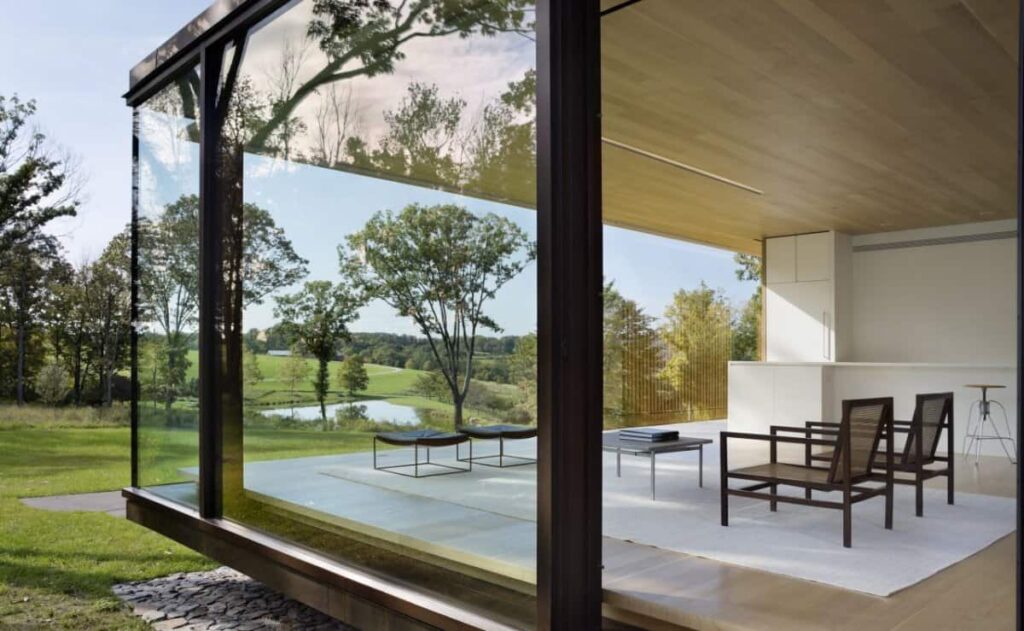
One popular design seen in many urban neighborhoods features a striking combination of glass and steel. This style emphasizes openness with floor-to-ceiling windows that allow natural light to flood the interior. The steel framing adds both structure and modern elegance, creating a timeless appeal that resonates with contemporary living.
These designs are especially common in cities where homeowners want a connection to the outdoors without compromising privacy. Tinted or frosted glass, along with carefully designed landscaping, ensures the home remains private while looking stylish.
2. Eco-Friendly Wooden Exteriors
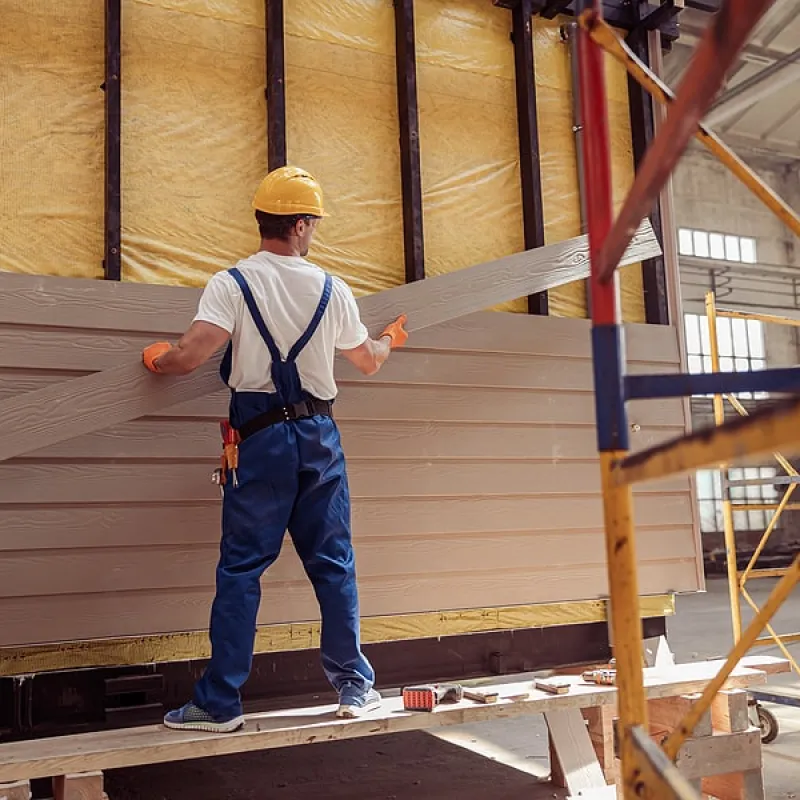
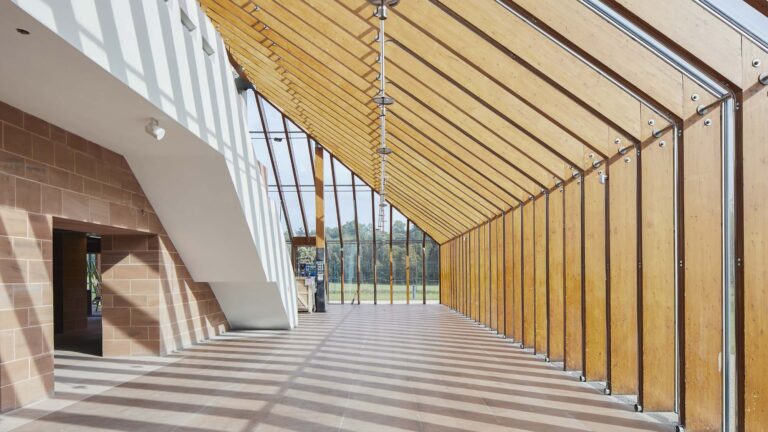
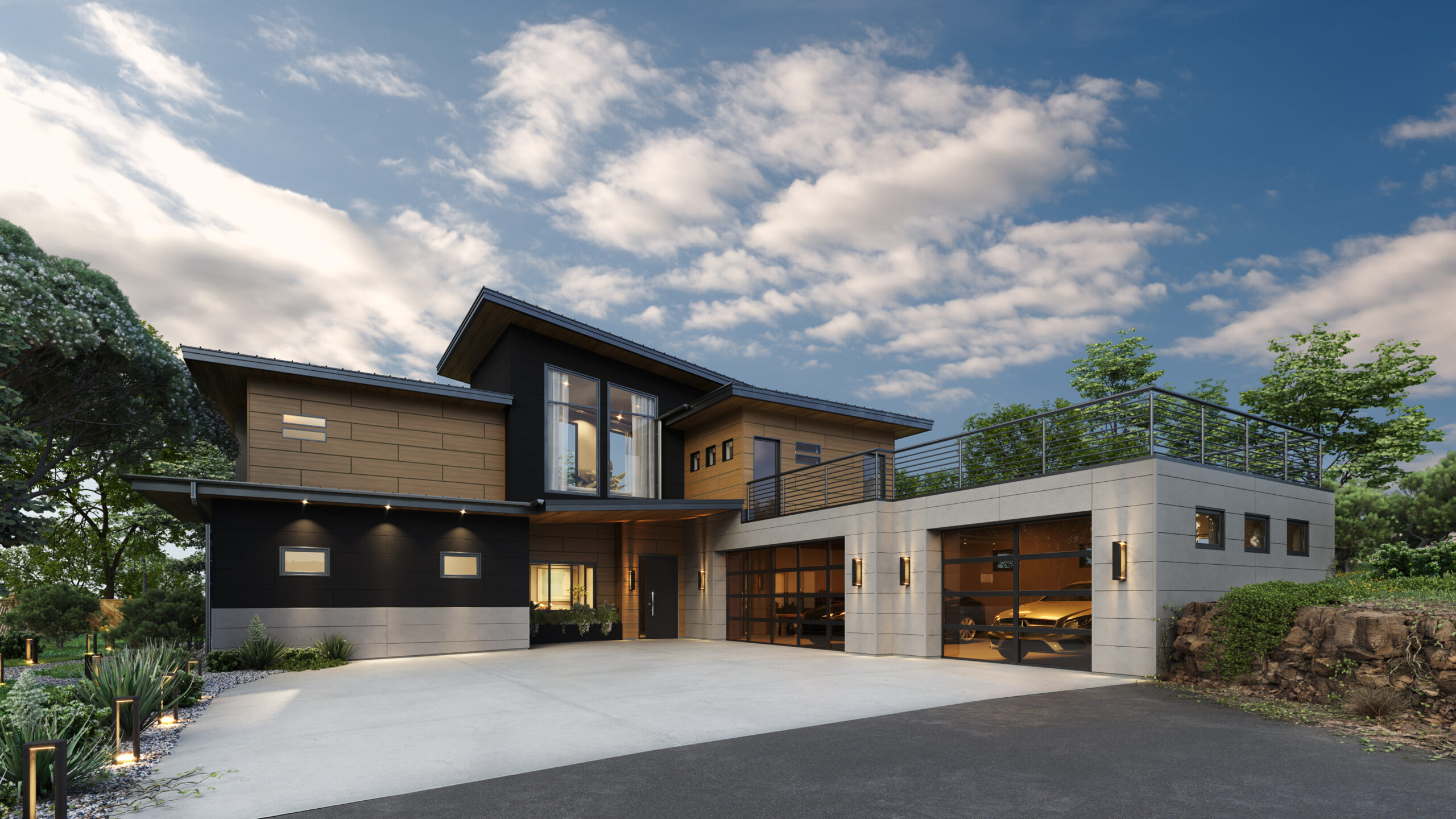
Another growing trend is the use of eco-friendly wood cladding for contemporary exteriors. Unlike traditional wood paneling, these are treated with modern finishes to withstand weather and reduce maintenance. The natural textures of wood provide warmth and contrast to otherwise minimalist architectural lines.
This design is ideal for suburban or countryside homes, blending the modern aesthetic with nature. Many architects pair wooden exteriors with vertical gardens or green roofing to create a home that is both eco-conscious and visually unique.
3. Concrete and Stone Hybrid
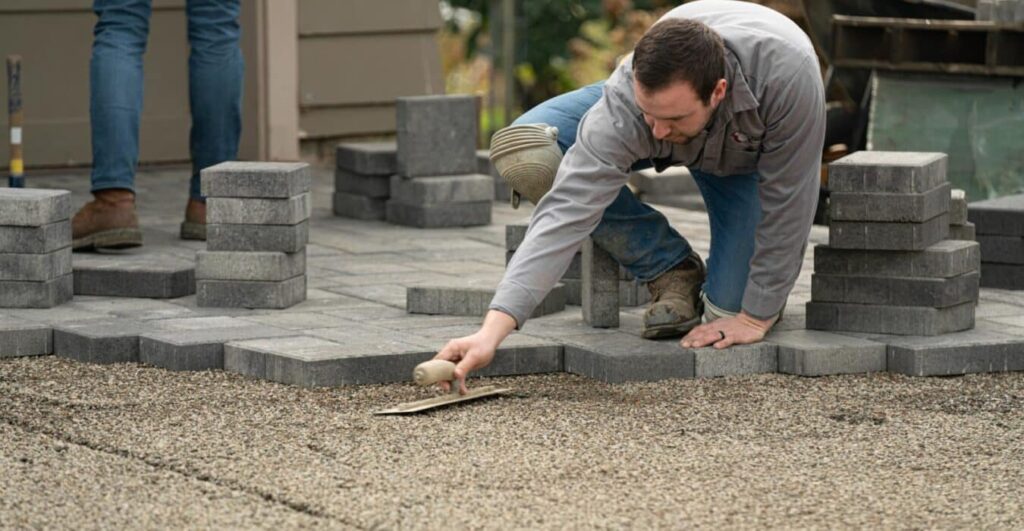
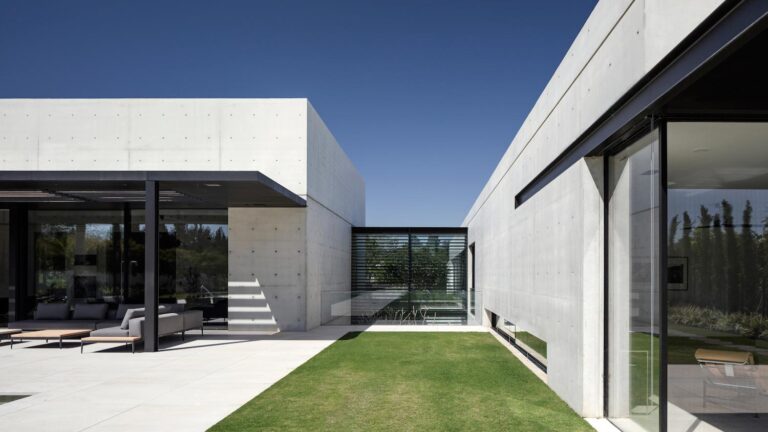
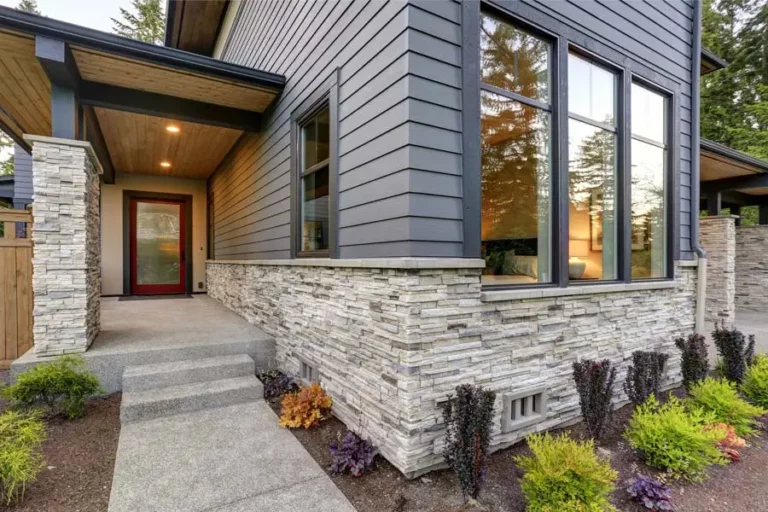
Concrete and stone hybrids are commonly seen in luxury contemporary homes. The concrete offers strength and minimalism, while natural stone adds texture and a sense of permanence. This mix provides a balance between sleek modernity and timeless natural appeal.
Such homes often incorporate extended patios or open courtyards, enhancing outdoor living. The durability of these materials ensures long-term use with minimal upkeep, which is highly attractive for homeowners who value practicality along with style.
4. Contemporary Urban Townhouse
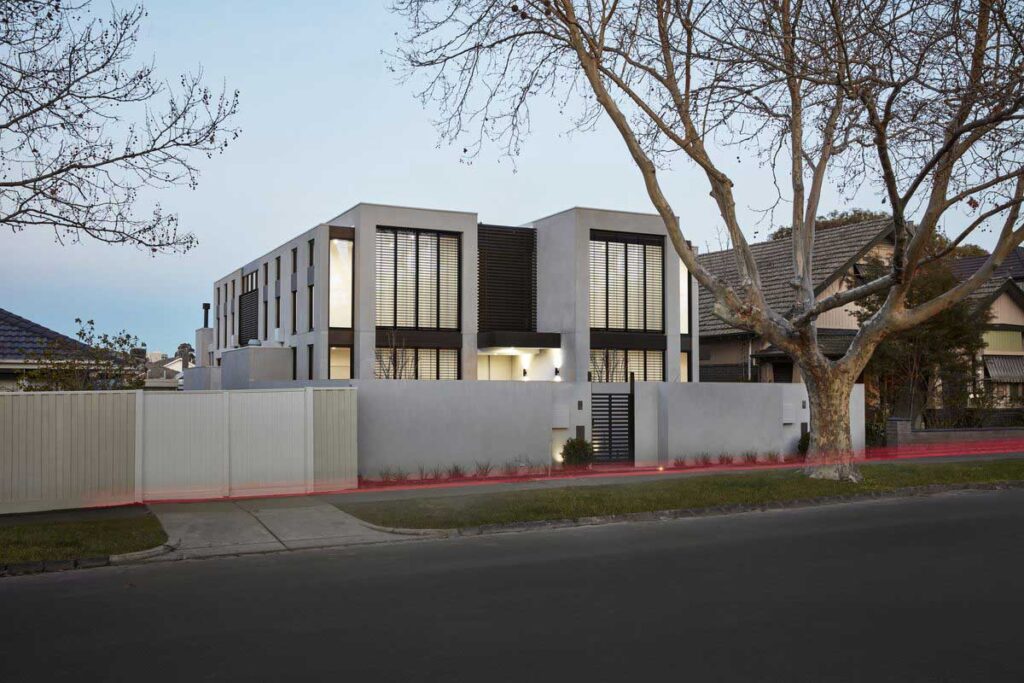
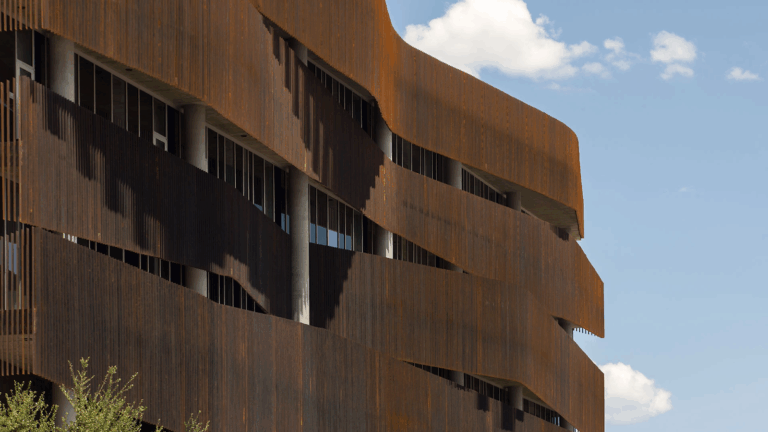
In many cities, townhouses are being redesigned with modern exterior finishes. Instead of brick alone, homeowners are opting for metal panels, glass balconies, and bold geometric patterns. This transformation brings fresh vibrancy to urban neighborhoods.
These exteriors are not just about aesthetics—they’re designed to maximize space efficiency. Multi-level terraces, rooftop gardens, and energy-efficient siding make them ideal for modern city living.
Benefits of Contemporary House Exterior Design
Contemporary house exterior design offers a variety of benefits that go beyond appearance. One of the biggest advantages is energy efficiency. With smart windows, insulated panels, and sustainable materials, homeowners enjoy lower energy costs while reducing their environmental footprint.
Another major benefit is property value. Modern, stylish exteriors make homes more appealing to potential buyers, ensuring higher resale value. The use of advanced building materials also means durability, which reduces long-term maintenance costs. Additionally, contemporary exteriors often feature low-maintenance finishes like coated steel or weather-resistant concrete, saving homeowners both time and money.
Practical Use Cases of Contemporary Exterior Design
A key use case is urban housing, where space is limited. Contemporary design allows architects to maximize functionality without sacrificing style. Features like rooftop gardens and vertical facades offer creative solutions for compact spaces.
Another use case is eco-friendly residential projects. Contemporary exteriors make it possible to incorporate solar panels, rainwater harvesting, and green roofing, helping homeowners align with sustainable living goals.
In luxury housing developments, contemporary exteriors provide a sleek and modern identity. Buyers often look for designs that combine prestige with comfort, and contemporary architecture delivers just that.
Frequently Asked Questions
Q1. What makes a house exterior “contemporary”?
A contemporary house exterior is defined by its modern architectural elements, including clean lines, minimalist design, innovative materials, and integration of sustainable technologies. Unlike traditional styles, it adapts to current trends and focuses on both function and aesthetics.
Q2. Are contemporary exteriors expensive to build?
Costs vary depending on the materials and technology used. While some modern finishes and smart integrations can be costly, many contemporary designs also use cost-effective, sustainable materials that reduce long-term expenses through durability and energy efficiency.
Q3. Can contemporary exterior design work for small homes?
Yes, contemporary design is highly adaptable. Even small homes can adopt modern facades, large windows, and minimalist structures to achieve a spacious and stylish look. Compact contemporary designs are especially popular in urban environments.