Drought-Resistant Landscaping: Sustainable Ideas and Design Strategies
Creating an outdoor space that is both beautiful and environmentally sustainable is a growing priority in modern landscaping. Drought-resistant landscaping is more than just a trend; it is a practical solution to conserve water, reduce maintenance, and create lasting landscapes that thrive even in arid or semi-arid climates. This article explores the principles, benefits, technologies, and real-world examples of drought-resistant landscaping while providing insights into how it solves common environmental and homeowner challenges.
What is Drought-Resistant Landscaping?
Drought-resistant landscaping refers to the strategic design and selection of plants, soil treatments, and irrigation systems to minimize water usage while maintaining a healthy, aesthetically pleasing outdoor environment. Unlike traditional landscaping that relies heavily on turfgrass and frequent watering, this method focuses on hardy plants, soil amendments, and efficient watering techniques.
This approach is closely tied to xeriscaping, a landscaping method developed in regions with limited water supply. It embraces native plants, mulch, and water-smart irrigation systems to create outdoor spaces that look natural and remain resilient through dry conditions.
Key Principles of Drought-Resistant Landscaping
Soil Preparation and Mulching
Healthy soil is the foundation of drought-resistant landscaping. Adding compost and organic matter improves the soil’s ability to retain moisture, while mulching helps protect the soil from evaporation and temperature fluctuations. Mulching with wood chips or gravel not only reduces water loss but also suppresses weeds that compete for resources.
Plant Selection
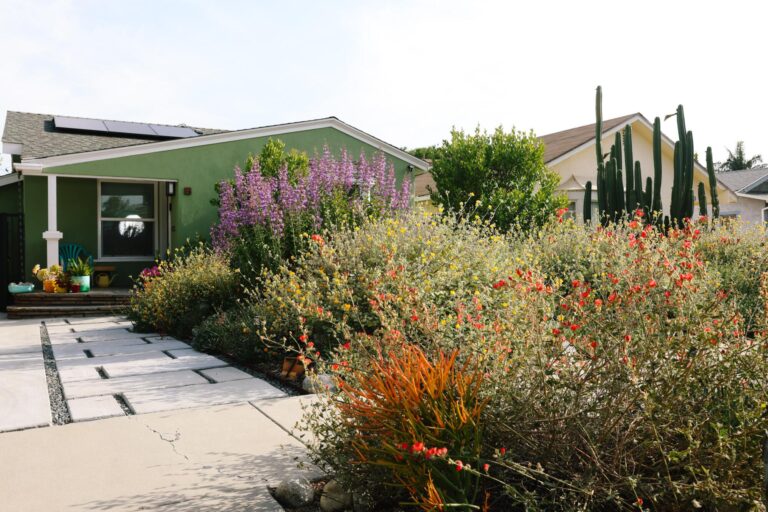
The choice of plants is critical. Native species and drought-tolerant plants are ideal since they are adapted to local climates. Succulents, ornamental grasses, lavender, and rosemary are popular choices. These plants need less water and are naturally more resilient against extreme weather conditions.
Efficient Irrigation
Efficient irrigation systems, such as drip irrigation, ensure that water is delivered directly to the root zones where it is most needed. Unlike sprinklers, drip systems minimize evaporation and runoff. Pairing irrigation with smart controllers makes watering more precise, responding to soil moisture levels and weather forecasts.
Benefits of Using Technology in Drought-Resistant Landscaping
Technology plays a vital role in making drought-resistant landscaping more efficient and sustainable.
Smart Irrigation Controllers
Smart controllers adjust watering schedules based on weather conditions, soil moisture, and plant needs. This reduces overwatering while keeping plants healthy. For example, a controller connected to a weather app will skip watering on rainy days, saving thousands of gallons of water annually.
Soil Moisture Sensors
Soil sensors measure moisture levels in real time and communicate with irrigation systems to release water only when necessary. This prevents waste while ensuring plants are never overwatered. For large landscapes, sensors provide precise zone-based control.
Landscape Design Software
Modern design software helps homeowners and professionals plan drought-resistant gardens by simulating plant growth, water requirements, and seasonal performance. This reduces trial and error, making the landscaping process more efficient and tailored to long-term success.
Real-World Examples of Drought-Resistant Landscaping
1. Xeriscaped Residential Garden
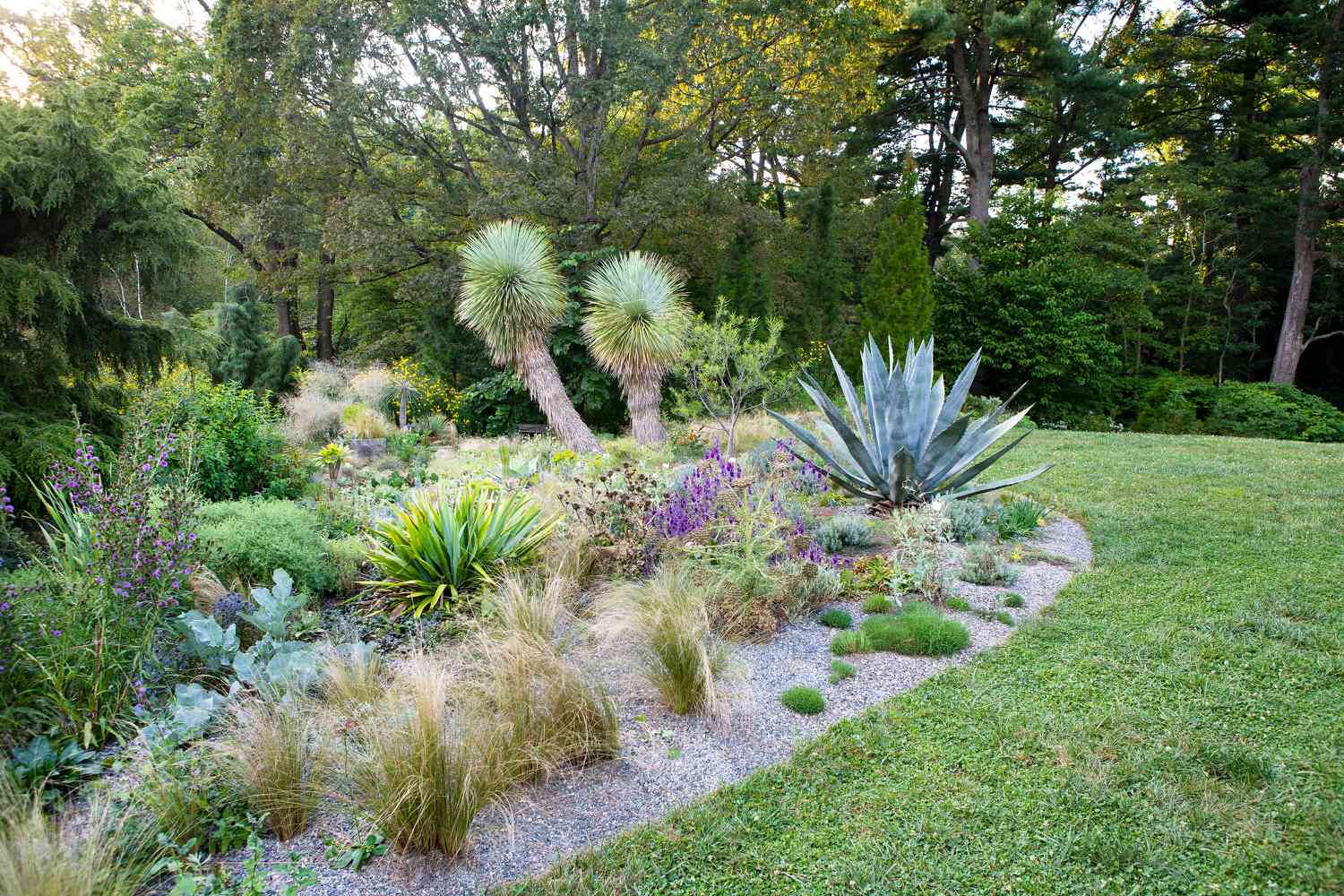
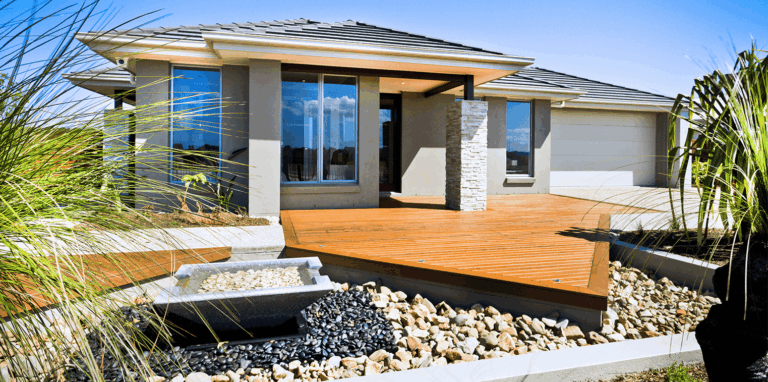
In regions like Arizona and Nevada, homeowners are turning to xeriscaping as a long-term water-saving strategy. A residential garden that replaces a water-thirsty lawn with succulents, desert grasses, and gravel pathways reduces water consumption by up to 70%. Besides water efficiency, the yard requires minimal maintenance and still delivers strong curb appeal.
2. Public Parks with Native Planting
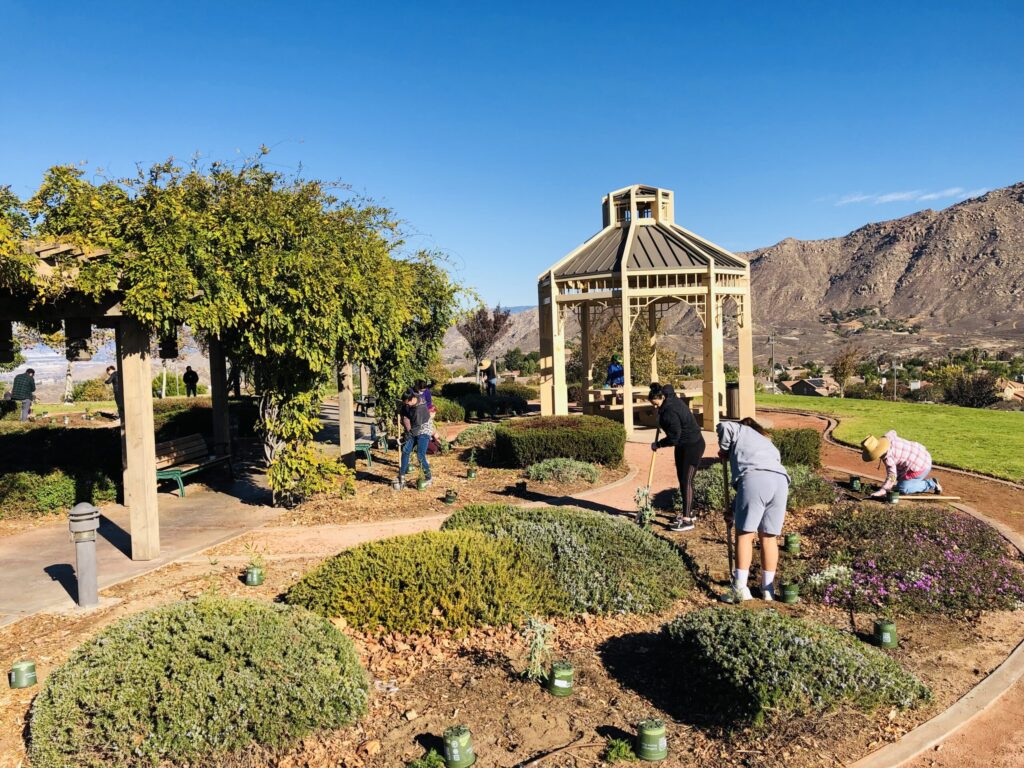
Cities facing water restrictions are redesigning public parks with native plant species that thrive in dry climates. For instance, California has transformed community spaces with drought-tolerant shrubs, groundcovers, and drip irrigation systems. These efforts reduce municipal water costs and create sustainable, educational environments for the public.
3. Commercial Landscaping Projects

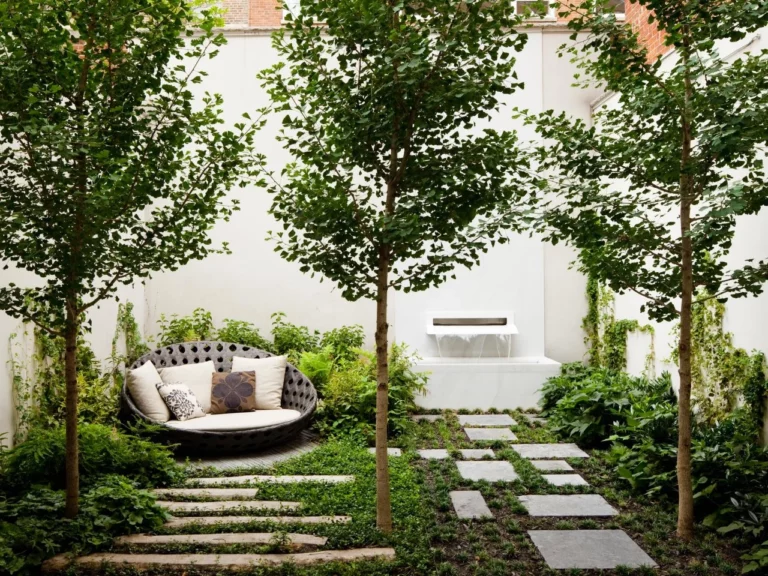
Corporate campuses and shopping centers increasingly adopt drought-resistant designs to meet environmental regulations and reduce costs. Landscapes featuring stone pathways, low-water grasses, and smart irrigation systems not only conserve water but also reflect the company’s commitment to sustainability.
4. Rooftop Gardens with Succulents
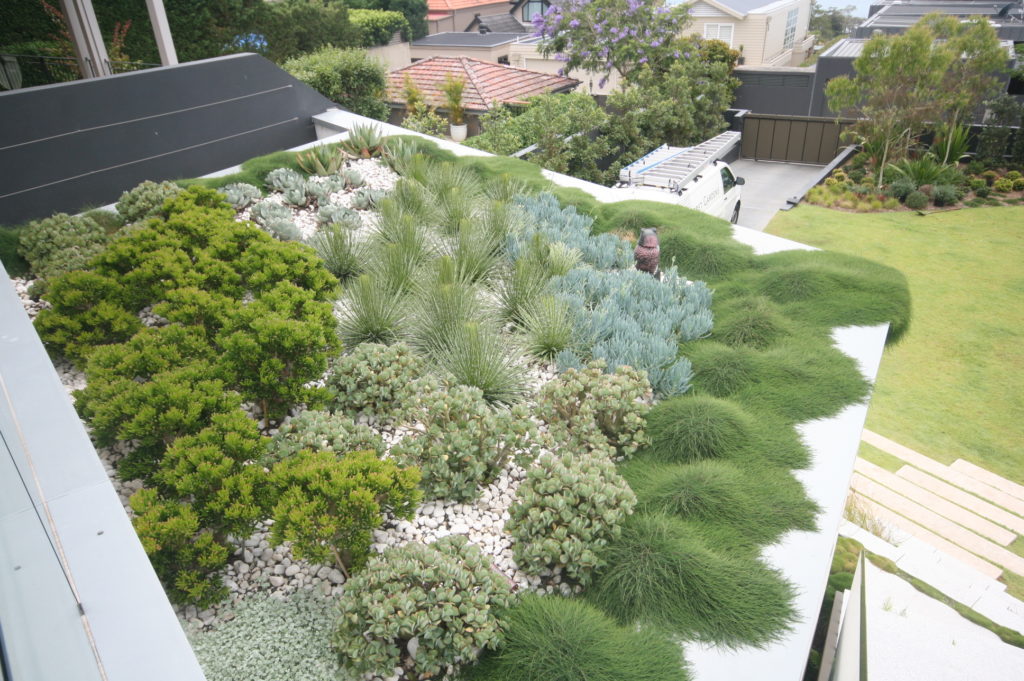
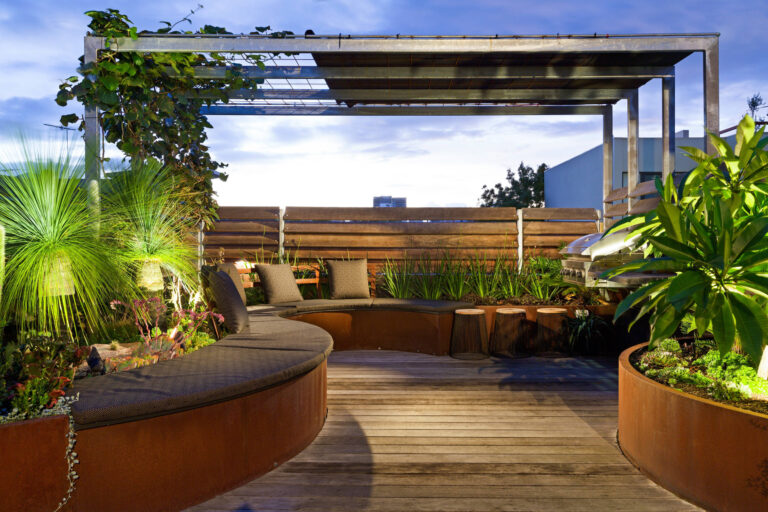
Urban buildings with rooftop gardens often use succulents and other drought-tolerant plants. These installations reduce the building’s heat absorption, improve insulation, and enhance sustainability. Rooftop drought-resistant gardens require minimal irrigation and thrive in sunny conditions.
Practical Benefits of Drought-Resistant Landscaping
Adopting drought-resistant landscaping comes with a variety of real-world benefits:
-
Water Conservation: One of the most significant advantages is reducing water consumption. Homeowners can save thousands of gallons annually by switching from traditional lawns to drought-resistant gardens.
-
Low Maintenance: Hardy plants and efficient irrigation systems require less care, reducing the time and cost of upkeep.
-
Cost Savings: Lower water bills and reduced maintenance costs make drought-resistant landscapes economically sustainable.
-
Environmental Impact: Reduced water usage supports local ecosystems, especially in areas facing water scarcity.
-
Curb Appeal: Well-designed drought-resistant landscapes are aesthetically striking, blending natural textures, colors, and forms into a cohesive design.
Use Cases of Drought-Resistant Landscaping
Residential Homes in Arid Regions
Homeowners in drought-prone areas often face water restrictions that make maintaining traditional lawns difficult. Drought-resistant landscaping solves this by creating attractive yards that comply with restrictions while saving money on utilities.
Urban Green Spaces
Cities face pressure to maintain green public spaces without overusing water. By adopting drought-tolerant plants and efficient irrigation, municipalities can maintain public parks, medians, and streetscapes sustainably.
Commercial Properties
Businesses benefit from lower landscaping costs while showcasing corporate responsibility. Clients and visitors are welcomed by sustainable outdoor designs that reflect environmental awareness.
Climate Change Adaptation
As climate patterns shift and droughts become more frequent, drought-resistant landscaping offers resilience. It ensures outdoor spaces remain functional and visually appealing under water-scarce conditions.
Frequently Asked Questions
Q1. What are the best plants for drought-resistant landscaping?
Some of the best choices include succulents, cacti, lavender, ornamental grasses, and native shrubs. These plants are naturally adapted to dry climates and require minimal watering.
Q2. How much water can I save with drought-resistant landscaping?
Water savings vary, but homeowners typically reduce outdoor water use by 50–70% compared to traditional lawns. Over time, this also leads to significant cost savings.
Q3. Is drought-resistant landscaping only suitable for dry regions?
No. While especially useful in arid climates, this landscaping style is beneficial everywhere. Even in regions with adequate rainfall, it promotes sustainability, reduces costs, and requires less maintenance.