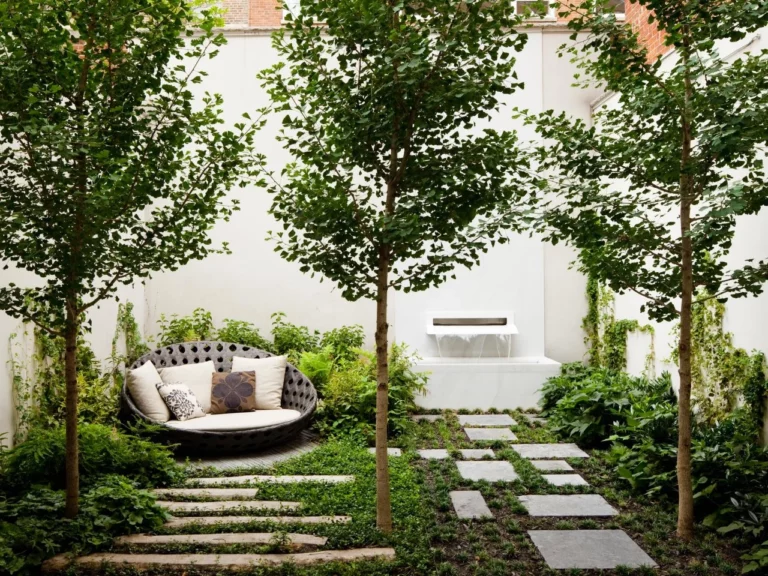
Drought-Resistant Landscaping: Sustainable and Water-Efficient Outdoor Design Ideas
In regions prone to low rainfall and water scarcity, drought-resistant landscaping has become essential for homeowners and landscapers. This approach prioritizes the use of plants, design techniques, and materials that thrive with minimal water, reducing maintenance costs while creating beautiful, sustainable outdoor spaces.
This article provides an in-depth exploration of drought-resistant landscaping, including design principles, real-world product examples, technological benefits, practical use cases, and answers to frequently asked questions.
Understanding Drought-Resistant Landscaping
Drought-resistant landscaping, often referred to as xeriscaping, focuses on creating gardens and outdoor areas that require minimal irrigation. Unlike traditional lawns and high-maintenance gardens, these landscapes use native plants, water-efficient techniques, and soil improvements to maintain vitality even in dry conditions.
The primary goal is to reduce water consumption while maintaining aesthetic appeal. This approach also helps prevent soil erosion, reduces environmental impact, and encourages biodiversity by providing suitable habitats for drought-adapted wildlife.
Key Principles of Drought-Resistant Landscaping
Designing a water-efficient landscape involves several core strategies that ensure long-term sustainability.
Selecting Native and Drought-Tolerant Plants
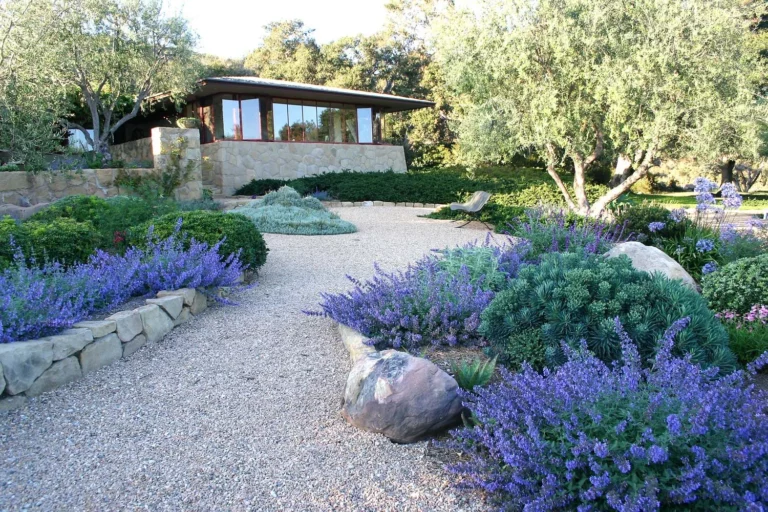
Native and drought-tolerant plants are naturally adapted to local climates, meaning they require less water, fertilizer, and maintenance. Examples include succulents, ornamental grasses, and Mediterranean herbs such as lavender and rosemary. These plants thrive in dry conditions while maintaining color and texture throughout the year.
Soil Improvement and Mulching
Healthy soil retains moisture more effectively. Adding organic compost, mulch, or gravel reduces water evaporation, keeps roots cool, and minimizes weed growth. Mulching also contributes to soil fertility over time, creating a sustainable growth environment.
Efficient Irrigation Systems
Even drought-tolerant gardens benefit from water optimization. Drip irrigation systems, smart sprinklers, and rainwater harvesting ensure plants receive targeted hydration with minimal waste. These systems reduce water consumption while maintaining plant health.
Thoughtful Landscape Design
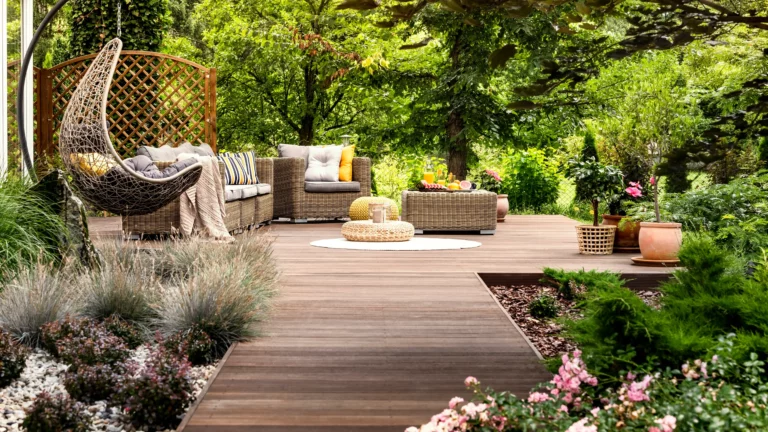
Grouping plants with similar water needs, incorporating shaded areas, and using permeable surfaces all help conserve water. Hardscaping elements like rocks, pathways, and patios also reduce the total irrigated area, making the garden easier to maintain.
Benefits of Drought-Resistant Landscaping
Environmental Benefits
Drought-resistant landscaping significantly lowers water usage, reducing demand on municipal water supplies. It also decreases chemical runoff from fertilizers and pesticides, protecting local ecosystems. By conserving water, these landscapes contribute to long-term sustainability in regions experiencing water scarcity.
Economic Benefits
Water-efficient landscapes save homeowners money on utility bills and reduce ongoing maintenance costs. Plants that thrive with minimal intervention require fewer fertilizers, pesticides, and pruning, lowering both labor and material expenses over time.
Aesthetic and Lifestyle Benefits
Contrary to misconceptions, drought-resistant landscapes can be visually striking. The use of diverse textures, colors, and plant forms creates appealing outdoor spaces. These gardens encourage outdoor enjoyment while promoting sustainable living.
Real-World Examples of Drought-Resistant Landscaping Products
1. Drip Irrigation Solutions
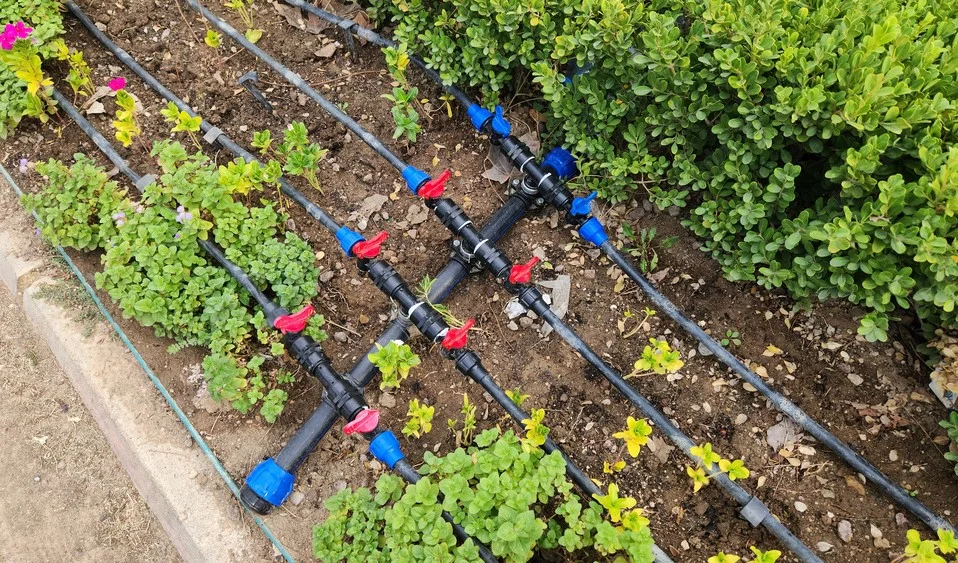
Drip irrigation systems deliver water directly to plant roots, minimizing evaporation and runoff. They are particularly effective for drought-resistant landscaping because they allow precise control over water usage.
For example, homeowners can install low-pressure drip lines around succulents and shrubs, ensuring each plant receives adequate moisture without overwatering. This technology not only conserves water but also supports plant health during prolonged dry spells.
2. Native and Drought-Tolerant Plant Kits

Plant kits featuring native species, such as ornamental grasses, succulents, and drought-adapted shrubs, simplify the creation of water-efficient gardens. These kits often include guidelines for soil preparation and plant placement.
In practice, using native plants reduces irrigation requirements and attracts local wildlife, including pollinators and beneficial insects. Such plantings also create seasonal interest with varying textures, flowers, and foliage colors.
3. Organic Mulches and Soil Enhancers

Mulches, gravel, and compost improve soil moisture retention and temperature regulation. Organic mulches like bark chips gradually enrich soil, while gravel reduces evaporation and provides visual contrast in garden design.
These products are highly relevant in drought-resistant landscaping as they reduce water demand, suppress weeds, and maintain a healthier root environment. By strategically placing mulch around plants, homeowners can optimize water efficiency and plant resilience.
4. Rainwater Harvesting Systems
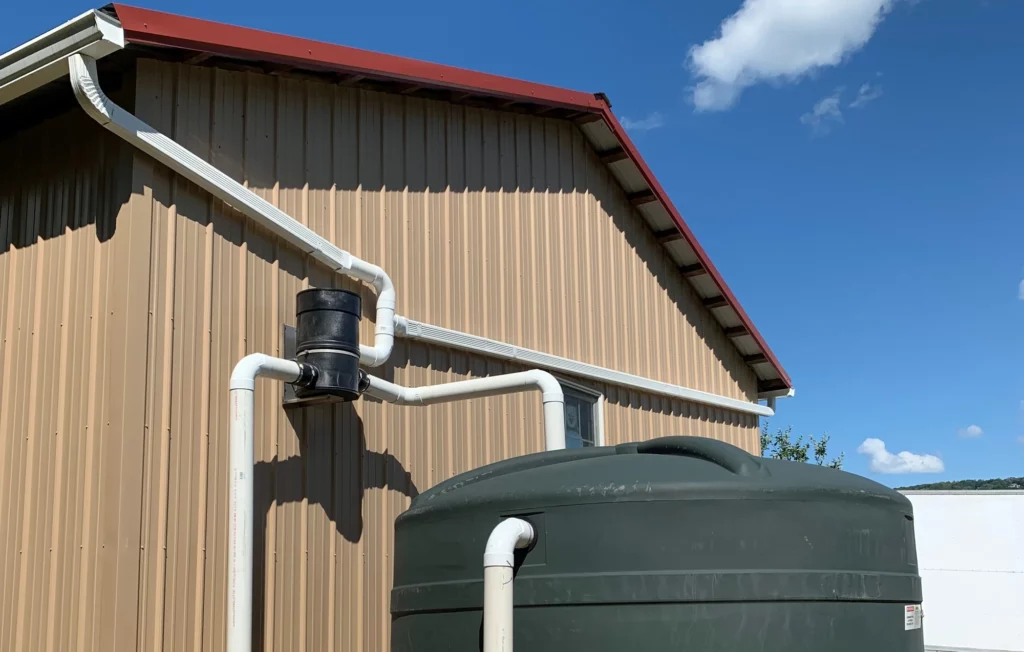
Rainwater collection tanks store precipitation for irrigation use during dry periods. Integrating a rainwater system with drought-resistant landscapes ensures consistent hydration without relying on municipal water.
This approach also reduces stormwater runoff, preventing erosion and nutrient loss from the soil. Using harvested rainwater aligns perfectly with sustainable and water-efficient landscaping principles.
How Technology Enhances Drought-Resistant Landscaping
Modern technology provides tools to optimize water use and improve landscape management. Smart irrigation controllers adjust watering schedules based on weather forecasts, soil moisture, and plant needs. Soil moisture sensors prevent overwatering by detecting precise hydration levels in real-time.
Solar-powered garden lighting and automated water distribution systems complement drought-resistant designs by reducing energy consumption and labor requirements. Technology ensures the garden remains sustainable and vibrant while minimizing human intervention and environmental impact.
Practical Use Cases of Drought-Resistant Landscaping
Urban and Small-Space Gardens
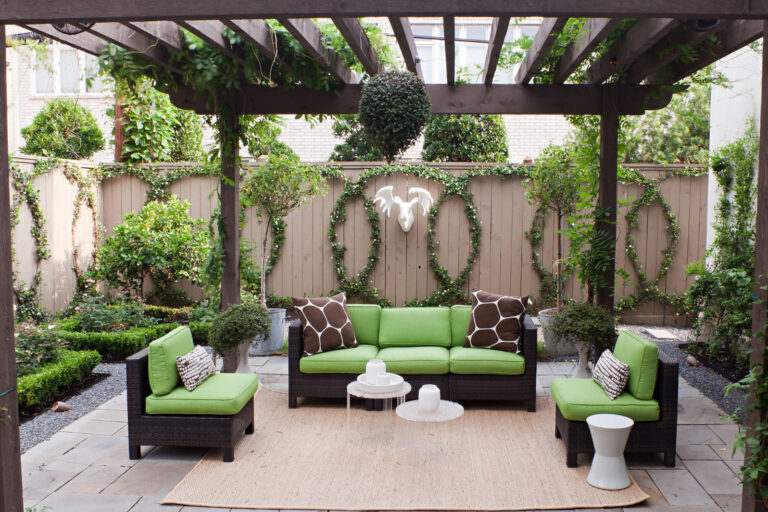
City dwellers with limited outdoor space can implement drought-resistant landscaping using container plants, vertical gardens, and low-water designs. This approach creates greenery in concrete-heavy areas while conserving municipal water.
Residential Suburban Gardens
In suburban areas, homeowners can combine decorative elements, native plantings, and efficient irrigation to maintain a low-maintenance, attractive garden. These landscapes reduce lawn water demand while creating outdoor living areas suitable for families.
Large Properties and Estates
For expansive properties, drought-resistant landscaping reduces irrigation costs and labor while ensuring plant health. Incorporating water-efficient systems, mulch, and native plants creates sustainable landscapes that serve as community examples of eco-friendly gardening.
Frequently Asked Questions (FAQ)
Q1. What is drought-resistant landscaping?
Drought-resistant landscaping is the practice of designing outdoor spaces that require minimal water. It focuses on using native and drought-tolerant plants, efficient irrigation, soil improvement, and water-conserving design techniques.
Q2. Can drought-resistant gardens be attractive and diverse?
Absolutely. By selecting a variety of drought-tolerant plants with different colors, textures, and heights, and incorporating rocks, mulch, and hardscaping, drought-resistant landscapes can be visually striking and functional.
Q3. How does technology support drought-resistant landscaping?
Technology, such as smart irrigation systems, soil sensors, and rainwater harvesting, optimizes water use, reduces waste, and simplifies maintenance. It ensures plants receive the precise hydration needed, enhancing sustainability and efficiency.