Eco-Friendly Garden Fences: Sustainable Designs, Benefits, and Real-World Applications
Garden fencing is more than just a boundary; it defines spaces, enhances privacy, and contributes to the character of outdoor areas. In recent years, eco-friendly garden fences have gained popularity as people seek sustainable alternatives to traditional fencing. These fences combine functionality with environmental responsibility, offering solutions that are both practical and aesthetically pleasing.
In this article, we will explore what eco-friendly garden fences are, the materials used, the benefits of integrating sustainable practices, real-world examples, and how they can solve practical problems for homeowners.
What Are Eco-Friendly Garden Fences?
Eco-friendly garden fences are fencing solutions designed with sustainability in mind. Unlike conventional fences made from plastics or chemically treated woods, eco-friendly versions use renewable, recyclable, or biodegradable materials that minimize environmental impact.
These fences are not only better for the planet but also for the homeowner. Many eco-friendly fencing materials are long-lasting, weather-resistant, and naturally blend into landscapes. They can be crafted from bamboo, reclaimed wood, recycled metals, or living plants, each offering unique design opportunities.
The idea behind eco-friendly fencing is to provide a boundary or screen that balances durability with ecological responsibility. They serve the same purposes as traditional fences—privacy, security, and decoration—but with reduced carbon footprint and environmental impact.
Materials Commonly Used in Eco-Friendly Garden Fences
One of the defining features of eco-friendly fences is the use of sustainable materials. Several options have become popular among environmentally conscious homeowners.
-
Bamboo: Fast-growing and renewable, bamboo is lightweight, strong, and naturally resistant to pests.
-
Reclaimed Wood: Using salvaged wood reduces waste while giving a rustic and authentic appearance.
-
Recycled Metal: Durable and often made from scrap materials, recycled metal fences offer strength with less resource consumption.
-
Living Fences (Hedges): Dense shrubs or trees create natural boundaries, improving biodiversity and aesthetics.
-
Composite Materials: Made from recycled plastics and wood fibers, composites provide durability while repurposing waste materials.
Each of these materials brings its own aesthetic and functional qualities, making eco-friendly garden fences versatile for different garden styles.
The Craftsmanship Behind Eco-Friendly Fences
Crafting an eco-friendly fence requires more than selecting the right material—it involves thoughtful design and sustainable construction practices. Skilled artisans often combine traditional woodworking or metalworking techniques with innovative, eco-friendly treatments, such as natural oils instead of chemical preservatives.
Modern eco-conscious fence makers also prioritize waste reduction during construction. For instance, offcuts of reclaimed wood may be repurposed into decorative fence panels, while bamboo can be layered for strength without the use of toxic adhesives.
The craftsmanship ensures that the final product not only functions as a sturdy barrier but also enhances the ecological balance of a garden.
Benefits of Eco-Friendly Garden Fences
Sustainability and Environmental Impact
Choosing eco-friendly fences reduces reliance on non-renewable resources. Bamboo regrows quickly, reclaimed wood prevents landfill waste, and recycled metal minimizes mining needs. This makes each choice part of a broader environmental solution.
Durability and Low Maintenance
Many eco-friendly materials are naturally resistant to decay, pests, and harsh weather conditions. Bamboo and recycled composites, for example, last for decades with minimal upkeep compared to chemically treated woods.
Aesthetic Appeal
Eco-friendly fences often have a natural and organic look that complements gardens beautifully. Living fences enhance greenery, while reclaimed wood or bamboo provides rustic charm.
Health and Safety
By avoiding chemical treatments, eco-friendly fences are safer for people, pets, and surrounding plants. This is particularly important for organic gardeners who want to maintain soil and air quality.
Property Value Enhancement
An eco-conscious landscape design signals modern, sustainable living. This not only benefits the environment but also appeals to eco-minded homebuyers, potentially raising property value.
Real-World Examples of Eco-Friendly Garden Fences
1. Bamboo Fence for a Zen Garden
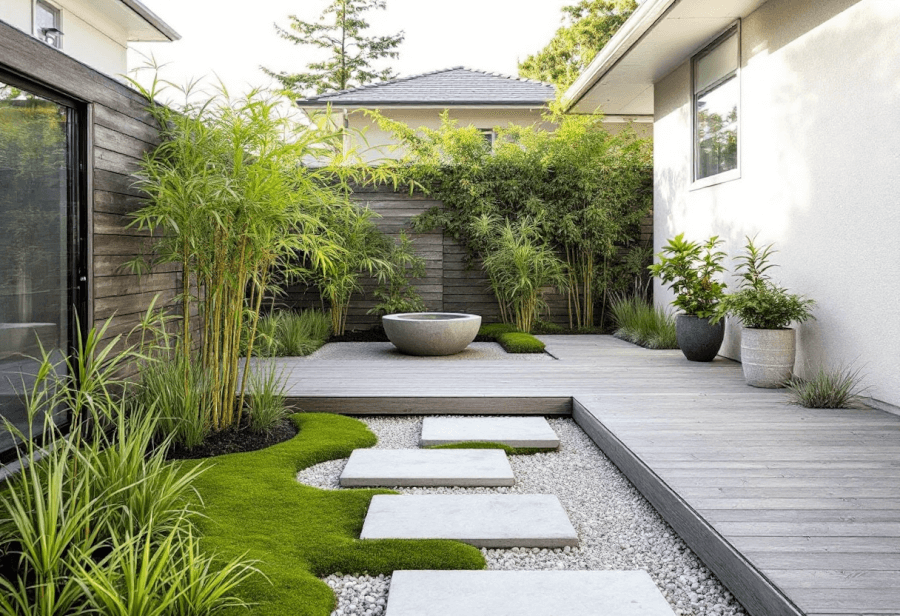
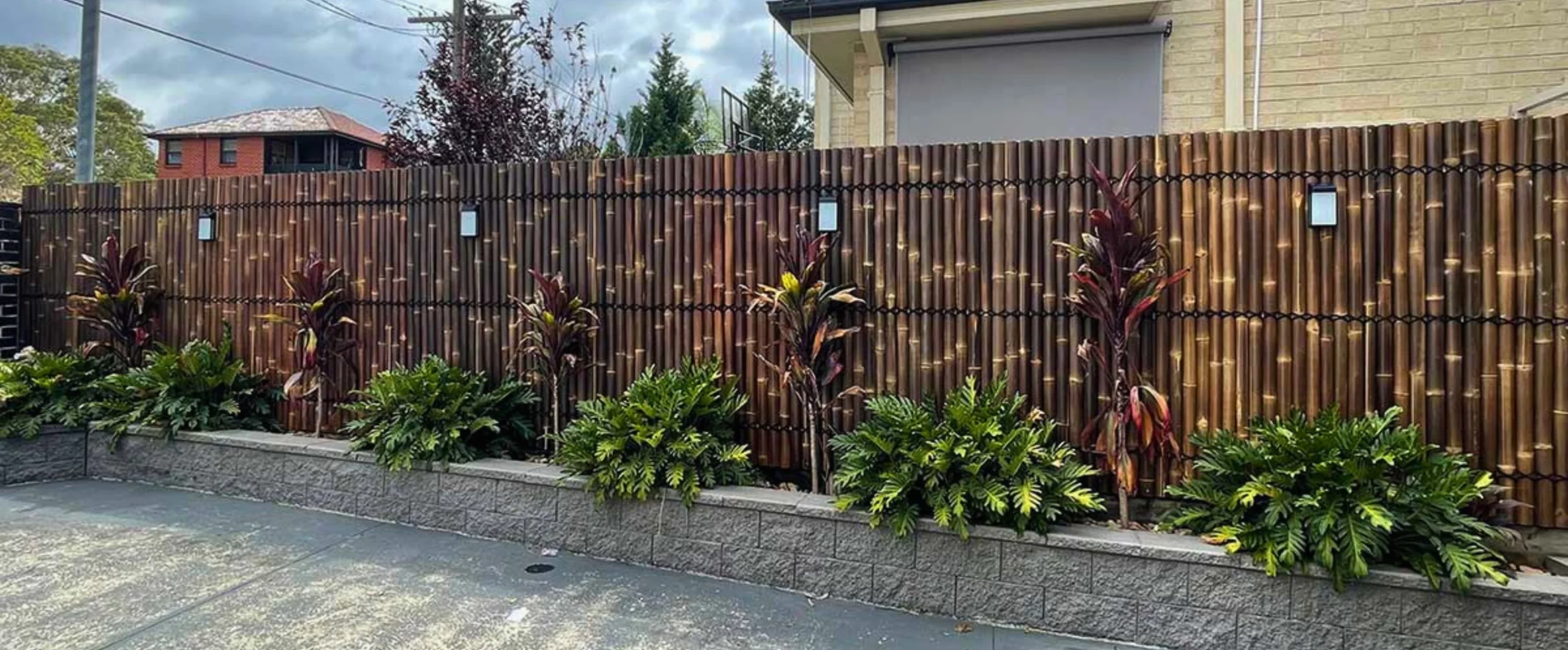
A homeowner seeking a serene outdoor retreat chose a bamboo fence for their Japanese-inspired garden. The vertical bamboo poles created a natural screen, offering both privacy and a calming aesthetic. The lightweight yet sturdy material allowed for easy installation without heavy machinery. Over time, the bamboo aged gracefully, blending seamlessly into the garden’s natural setting.
2. Reclaimed Wood Fence for a Rustic Backyard
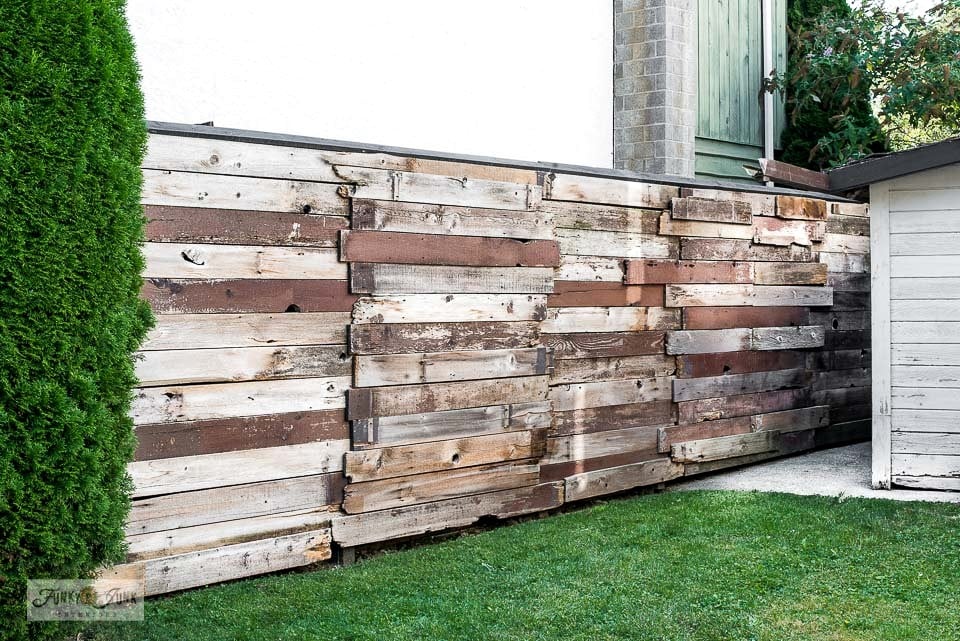
In a countryside property, a reclaimed wood fence was built using salvaged barn timber. The weathered texture gave the fence character and authenticity, while the irregular patterns added a rustic charm. Beyond aesthetics, the project demonstrated how upcycling wood reduces waste and creates one-of-a-kind garden features.
3. Recycled Metal Fence for a Modern Urban Home
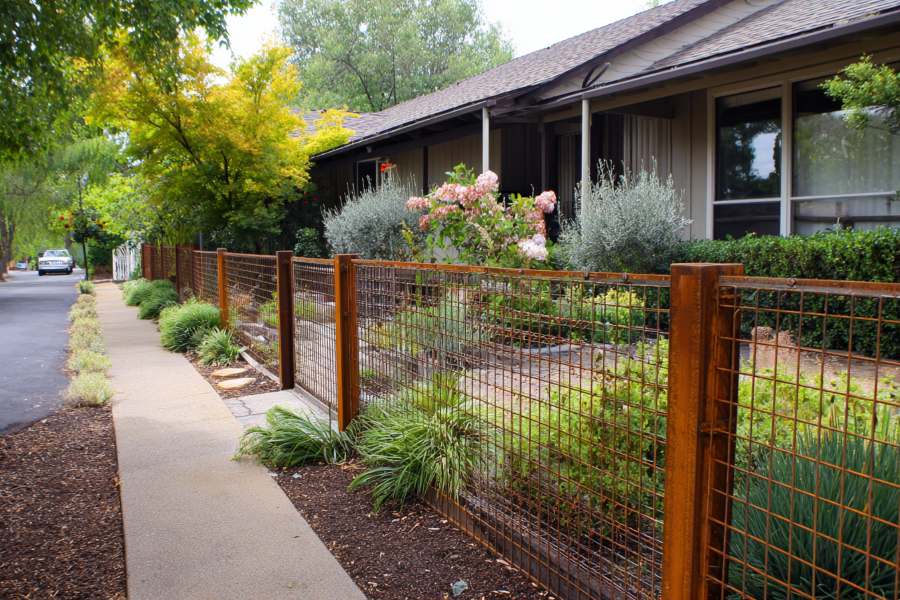
For a city residence, a recycled steel fence was installed with laser-cut designs. This eco-friendly option provided both strength and artistic flair, with geometric patterns that reflected the home’s modern style. The use of recycled metal reduced resource consumption while creating a fence that could last for decades.
4. Living Hedge Fence for a Suburban Family Home
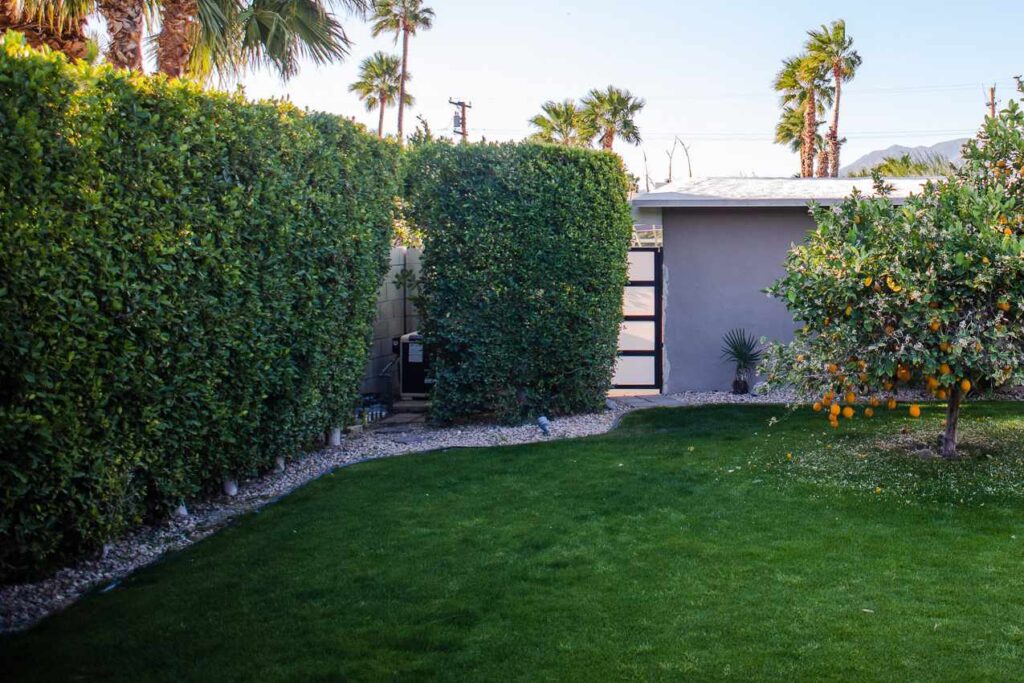
A family looking for a natural boundary opted for a living hedge made of dense evergreen shrubs. Beyond privacy, the hedge fence provided habitat for birds, contributed to improved air quality, and acted as a natural noise barrier. It demonstrated how living fences could merge beauty and biodiversity in everyday landscapes.
Practical Use Cases of Eco-Friendly Garden Fences
Enhancing Privacy in Eco-Conscious Ways
Eco-friendly fences provide privacy without harming the environment. A bamboo screen, for instance, offers the same level of seclusion as a traditional wooden fence but regenerates quickly, ensuring sustainability.
Creating Green Noise Barriers
Living hedge fences act as natural sound barriers. They are particularly useful in suburban areas near busy streets, reducing noise while enhancing greenery.
Supporting Wildlife and Biodiversity
Eco-friendly fences, particularly living fences and reclaimed wood, provide shelter for insects, birds, and small mammals. This encourages a thriving ecosystem right in your backyard.
Climate Adaptation and Cooling
Certain eco-friendly fences, such as hedges or bamboo, help regulate microclimates. They provide shade, reduce heat, and improve airflow, making outdoor spaces more comfortable in warmer seasons.
The Role of Technology in Eco-Friendly Garden Fences
Technology has revolutionized how eco-friendly fences are designed and maintained. For example, 3D modeling software allows homeowners to visualize sustainable materials in their gardens before construction begins. This reduces waste by avoiding design mistakes.
Additionally, modern treatments use eco-friendly protective coatings made from natural oils or water-based solutions instead of harmful chemicals. These ensure that reclaimed wood and bamboo remain durable without environmental compromise.
Some fences also integrate smart irrigation systems for living fences, ensuring that hedges or vertical green fences remain healthy without excessive water usage. This combination of nature and technology maximizes sustainability while minimizing resource consumption.
Why Eco-Friendly Garden Fences Are a Smart Choice
Eco-friendly garden fences solve multiple problems at once: they reduce environmental impact, improve garden aesthetics, enhance privacy, and support biodiversity. Unlike conventional fencing, which often contributes to deforestation or chemical pollution, sustainable options align with modern values of green living.
They also address practical concerns such as durability, cost efficiency over time, and ease of integration with eco-conscious landscaping. Choosing eco-friendly fences is a commitment to both personal well-being and the planet’s future.
Frequently Asked Questions
Q1. Are eco-friendly garden fences as durable as traditional fences?
Yes, many eco-friendly materials such as bamboo, recycled metal, and composites are just as durable—if not more—than conventional fences. With proper care, they can last for decades.
Q2. Do eco-friendly garden fences require special maintenance?
Maintenance depends on the material. Bamboo and reclaimed wood may need occasional sealing with natural oils, while recycled composites and metals are largely maintenance-free. Living fences require regular trimming and watering, but also offer ecological benefits.
Q3. Can eco-friendly fences be customized for different garden styles?
Absolutely. Eco-friendly fencing materials are versatile. Bamboo suits minimalist and Asian-inspired designs, reclaimed wood complements rustic aesthetics, recycled metals fit modern homes, and living fences enhance naturalistic landscapes.