Eco-Friendly Landscaping Solutions for Sustainable Outdoor Living in 2025
Sustainability has become a guiding principle in modern home and garden design. As environmental concerns grow, eco-friendly landscaping solutions are transforming outdoor spaces into havens that are not only beautiful but also gentle on the planet. From water conservation systems to native plant designs and energy-efficient technologies, homeowners are embracing sustainable methods to reduce their environmental footprint while enjoying healthier, more resilient landscapes.
This article provides in-depth insights into eco-friendly landscaping solutions, real-world product examples, and practical benefits that can enhance outdoor living spaces.
Understanding Eco-Friendly Landscaping
Eco-friendly landscaping refers to the practice of designing, building, and maintaining outdoor spaces in a way that supports the environment, conserves natural resources, and reduces waste. Unlike traditional landscaping, which often depends on high water usage, chemical fertilizers, and resource-intensive practices, eco-friendly landscaping emphasizes sustainability, biodiversity, and resilience.
By integrating green solutions into your garden or yard, you can create a balanced ecosystem where plants, soil, and wildlife thrive naturally. This approach not only improves the beauty of your surroundings but also contributes to healthier air, cleaner water, and long-term environmental stability.
Key Principles of Sustainable Landscape Design
Water Conservation and Efficiency
Water is one of the most crucial resources in landscaping. Eco-friendly designs often include systems like drip irrigation, rainwater harvesting, and drought-resistant plant choices. These techniques reduce dependency on municipal water supplies and ensure that every drop counts.
Native plants are especially effective in this regard, as they are adapted to local climate conditions and typically require less water compared to non-native species.
Soil Health and Fertility
Healthy soil is the foundation of sustainable landscaping. Organic compost, mulching, and natural fertilizers help improve soil fertility while reducing reliance on chemical treatments. These practices encourage microorganisms that break down organic matter, keeping soil nutrient-rich and balanced.
By maintaining healthy soil, you not only support stronger plant growth but also help with carbon sequestration, which reduces greenhouse gas emissions.
Biodiversity and Wildlife Support
An eco-friendly landscape is designed to support biodiversity. This includes planting a mix of species that provide food and shelter for pollinators like bees, butterflies, and birds. The presence of diverse plant life strengthens the resilience of your garden against pests and diseases, reducing the need for chemical pesticides.
Real-World Examples of Eco-Friendly Landscaping Solutions
1. Smart Irrigation Systems
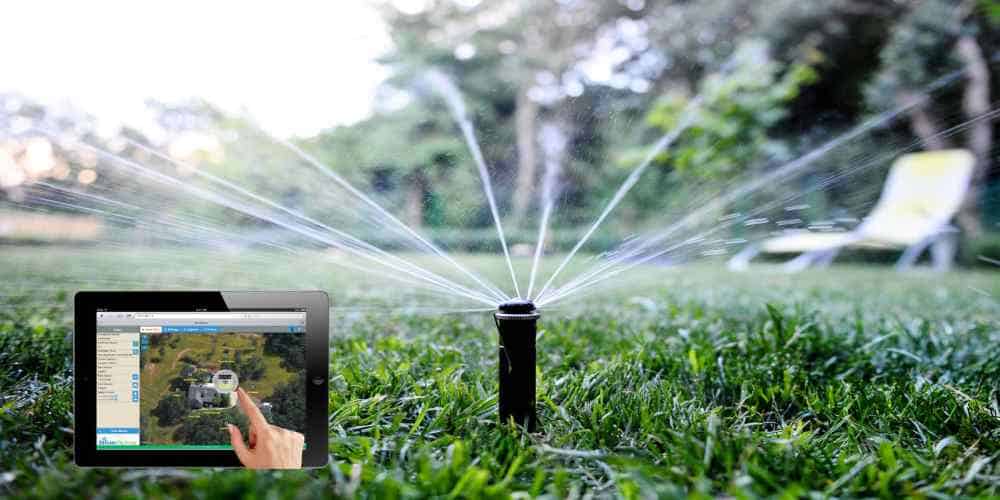
Smart irrigation systems represent one of the most effective eco-friendly landscaping solutions. These devices use sensors to monitor soil moisture levels, weather conditions, and plant needs to deliver the right amount of water at the right time.
For example, Wi-Fi-enabled irrigation controllers can automatically adjust watering schedules during rainy or dry seasons. This technology ensures efficiency, reduces water waste, and keeps landscapes healthy without human guesswork. By adopting such systems, homeowners save both resources and costs while promoting sustainable water management.
2. Native Plant Landscaping
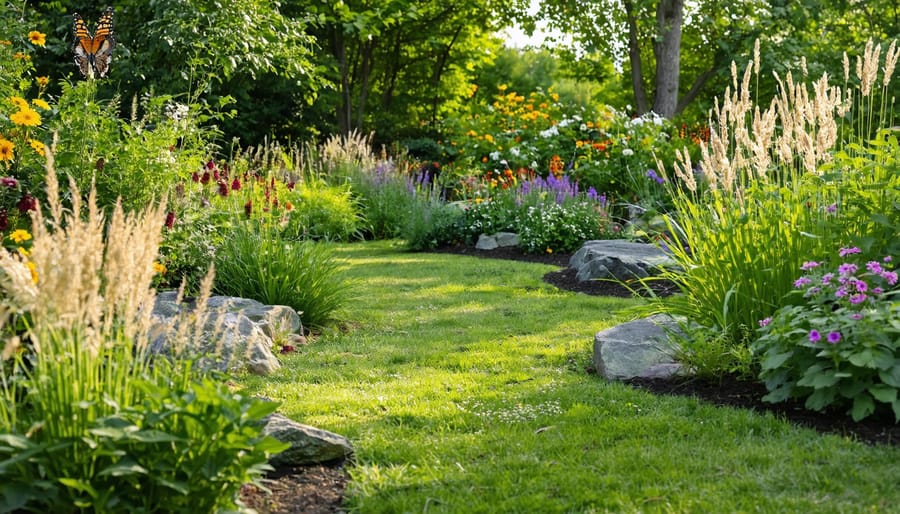
Native plant landscaping is gaining popularity worldwide as a low-maintenance and sustainable approach. Choosing plants that naturally thrive in the local climate means they require less water, fertilizer, and pesticides.
For instance, prairie grasses in North America or lavender in Mediterranean climates not only adapt easily but also attract pollinators, contributing to a healthy ecosystem. These plants provide resilience against droughts and seasonal changes, making them ideal for long-term, eco-friendly garden solutions.
3. Solar Garden Lighting
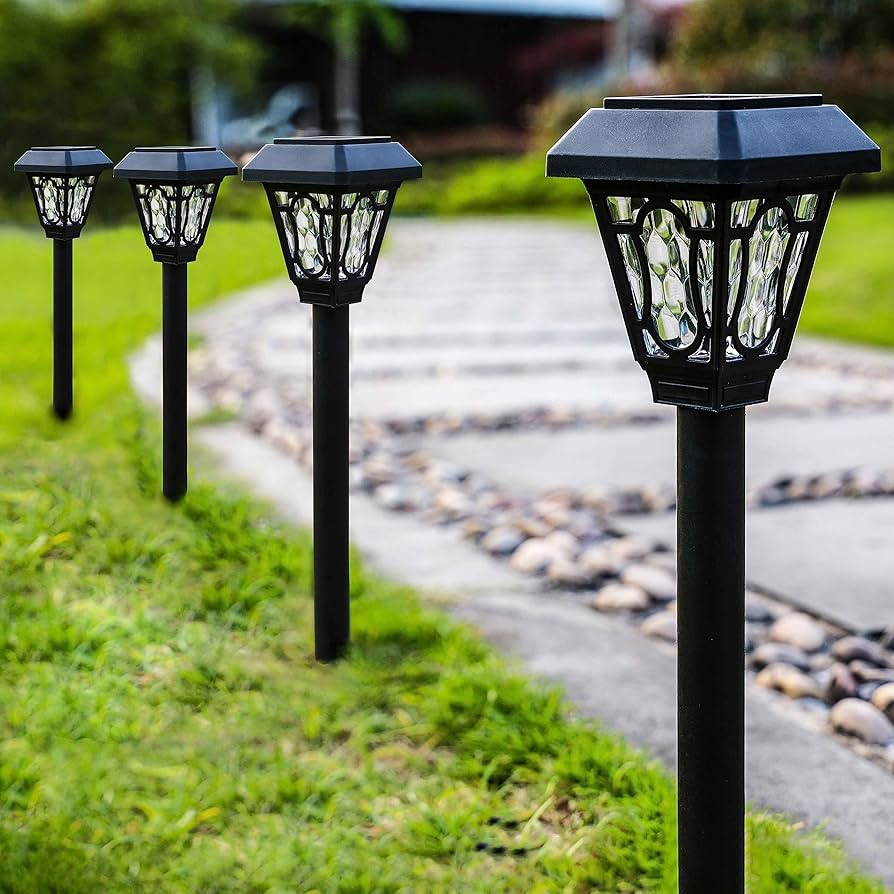
Energy-efficient outdoor lighting is another essential component of eco-friendly landscaping. Solar-powered garden lights use renewable energy from the sun, reducing electricity consumption and carbon emissions.
Beyond their eco-benefits, solar lighting enhances the aesthetic of outdoor spaces by illuminating pathways, patios, and gardens with soft, ambient light. Many modern solar lights include motion sensors and LED technology, ensuring durability and efficiency.
4. Permeable Paving Solutions
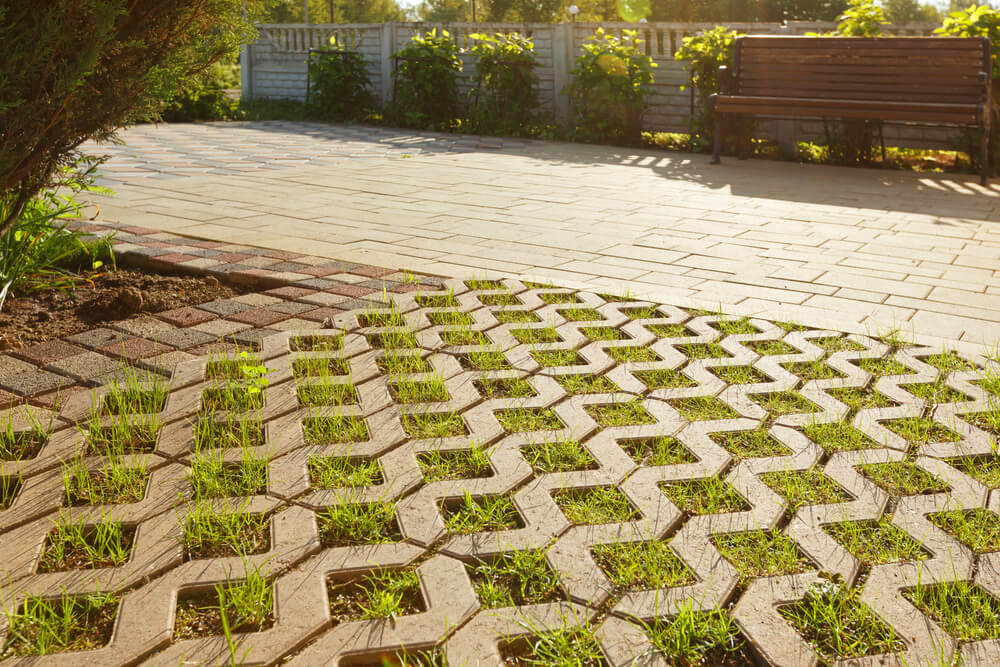
Traditional pavement often contributes to stormwater runoff and flooding, but permeable paving offers a sustainable alternative. Made from materials that allow water to seep through, such as porous concrete or gravel, this solution reduces surface runoff and helps recharge groundwater supplies.
Permeable paving not only prevents soil erosion but also creates cooler outdoor surfaces, reducing heat island effects in urban environments. It’s a practical and visually appealing option for eco-conscious homeowners.
Benefits of Eco-Friendly Landscaping Solutions
Eco-friendly landscaping provides more than just visual appeal—it delivers measurable environmental and personal benefits.
-
Resource Conservation: Smart irrigation and native plant use significantly reduce water consumption.
-
Reduced Pollution: Limiting chemical fertilizers and pesticides keeps soil and water clean.
-
Lower Energy Use: Solar-powered lighting and shading strategies help minimize energy reliance.
-
Enhanced Property Value: Sustainable landscapes are increasingly desirable, boosting curb appeal and long-term value.
-
Healthier Living Spaces: Green spaces with diverse plants improve air quality, reduce stress, and foster well-being.
Practical Use Cases in Real Life
Eco-friendly landscaping solutions address a wide range of real-world problems:
-
Drought-Prone Regions: In areas with frequent droughts, smart irrigation and drought-tolerant plants ensure landscapes survive with minimal water.
-
Urban Flooding: Permeable paving reduces runoff and minimizes flood risk in cities where drainage systems are often overwhelmed.
-
Biodiversity Loss: Planting native flowers and shrubs attracts pollinators and helps restore fragile ecosystems.
-
Energy Costs: Solar-powered lighting and natural shade from trees reduce household electricity consumption.
Each of these solutions demonstrates how eco-friendly landscaping can go beyond aesthetics to solve pressing environmental and social challenges.
Frequently Asked Questions
Q1. What makes landscaping eco-friendly?
Eco-friendly landscaping relies on sustainable practices such as water conservation, organic soil management, biodiversity support, and the use of renewable energy. It minimizes environmental impact while maintaining a beautiful outdoor space.
Q2. Are eco-friendly landscaping solutions expensive to implement?
While some solutions, like smart irrigation or permeable paving, may require initial investment, they save money in the long run by reducing water bills, energy consumption, and maintenance costs.
Q3. Can eco-friendly landscaping work in all climates?
Yes. The key is choosing solutions tailored to the local climate. Native plants, for example, are naturally adapted to specific regions, and technologies like smart irrigation can adjust to changing weather patterns.