Energy-Efficient Facades: Modern Solutions for Sustainable Building Design
Energy-efficient facades are among the most critical elements in modern architecture, transforming how buildings interact with their environment. Unlike traditional exterior walls, these facades are designed with advanced materials and technologies that reduce heat loss, optimize natural light, and improve indoor comfort. As climate change and energy consumption concerns grow, architects and engineers increasingly turn to facade systems that contribute to sustainability while maintaining aesthetic value.
The concept of an energy-efficient facade goes beyond insulation. It integrates smart materials, shading devices, and ventilation techniques that adapt to seasonal and daily weather variations. By doing so, buildings consume less energy for heating, cooling, and lighting—leading to significant long-term savings and reduced carbon emissions.
The Role of Facades in Energy Performance
Facades act as the interface between the external environment and the interior of a building. Their design directly influences energy performance by controlling sunlight, air circulation, and thermal insulation. Poorly designed facades can lead to excessive heat gain in summer or heat loss in winter, resulting in higher energy costs.
Energy-efficient facades are specifically engineered to minimize these issues. Through the use of insulated glazing, ventilated cladding, and smart shading, they regulate the building’s microclimate effectively. This approach reduces reliance on artificial lighting and HVAC systems, which are often the biggest contributors to energy consumption in buildings.
Technologies Behind Energy-Efficient Facades
Advanced Glazing Systems
Modern glazing is not just about transparent glass. Low-emissivity (low-E) coatings, triple glazing, and gas-filled windows enhance insulation while maintaining natural daylight. These solutions help prevent unwanted heat transfer, ensuring interiors remain comfortable without over-reliance on air conditioning or heating.
Advanced glazing systems also include self-tinting or electrochromic glass, which adjusts its transparency depending on sunlight intensity. This dynamic response creates a more adaptive and energy-efficient facade system.
Double-Skin Facades
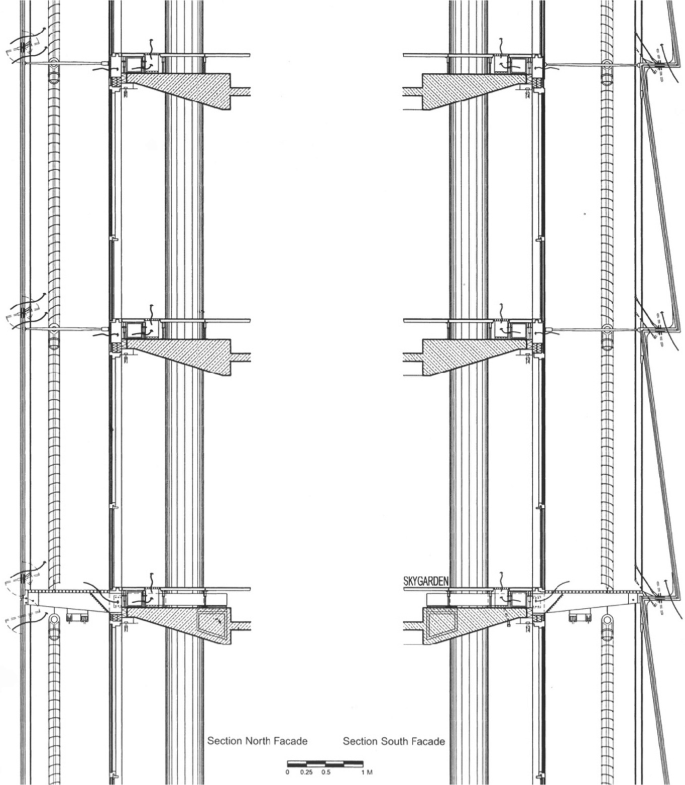
Double-skin facades consist of two glass layers separated by an air cavity, which can be naturally or mechanically ventilated. This design acts as a buffer zone, significantly improving thermal and acoustic performance. The cavity allows for controlled airflow, reducing the need for artificial cooling and heating.
Beyond energy savings, double-skin facades also enhance indoor air quality by incorporating natural ventilation, making them a preferred choice for high-rise office buildings in Europe and Asia.
Shading and Dynamic Facade Elements
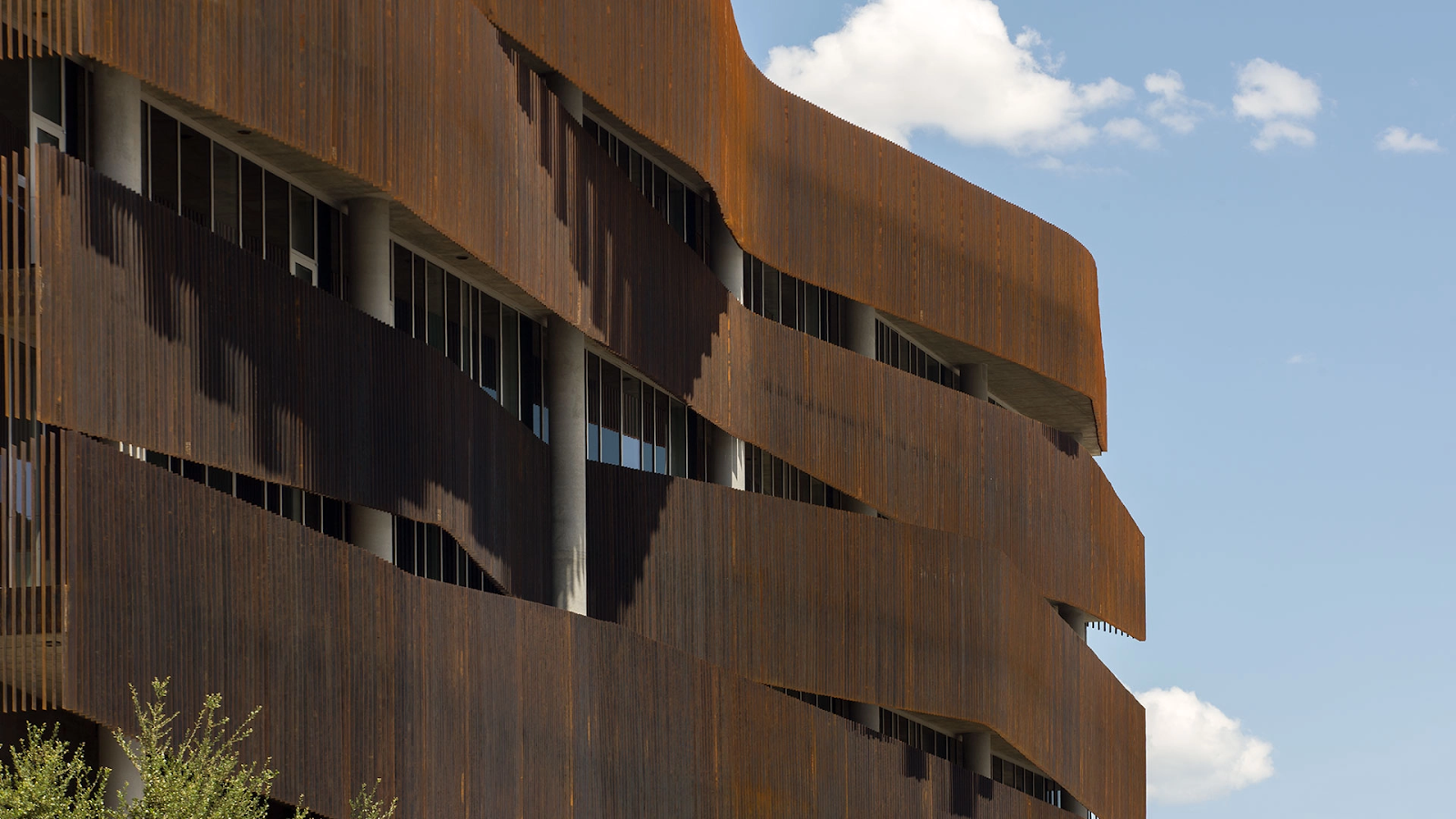
Shading systems such as louvers, perforated panels, and smart blinds play an essential role in managing solar radiation. Dynamic facades can adapt their configuration throughout the day, blocking excess sunlight during peak hours while maximizing daylight penetration in the morning and evening.
Such adaptable systems not only save energy but also improve the well-being of occupants by creating a more natural and comfortable lighting environment.
Real-World Examples of Energy-Efficient Facades
1. The Al Bahar Towers, Abu Dhabi
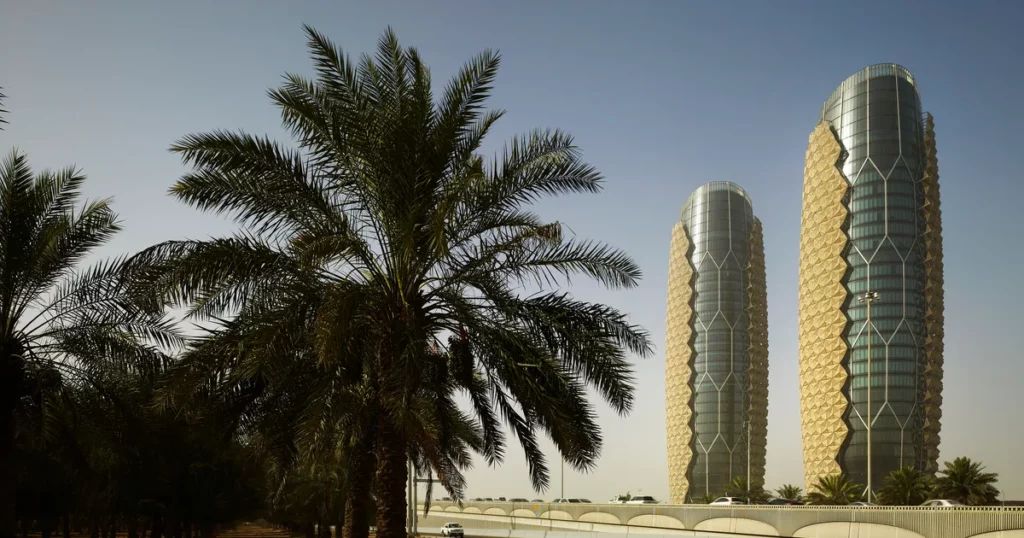
The Al Bahar Towers feature a dynamic shading system inspired by traditional Islamic architecture. The facade consists of computer-controlled panels that open and close in response to sunlight. This system reduces solar heat gain by over 50%, drastically cutting cooling demands in the harsh desert climate.
The project demonstrates how cultural heritage and modern technology can be combined to create energy-efficient facades that are both functional and aesthetically striking.
2. The Bullitt Center, Seattle
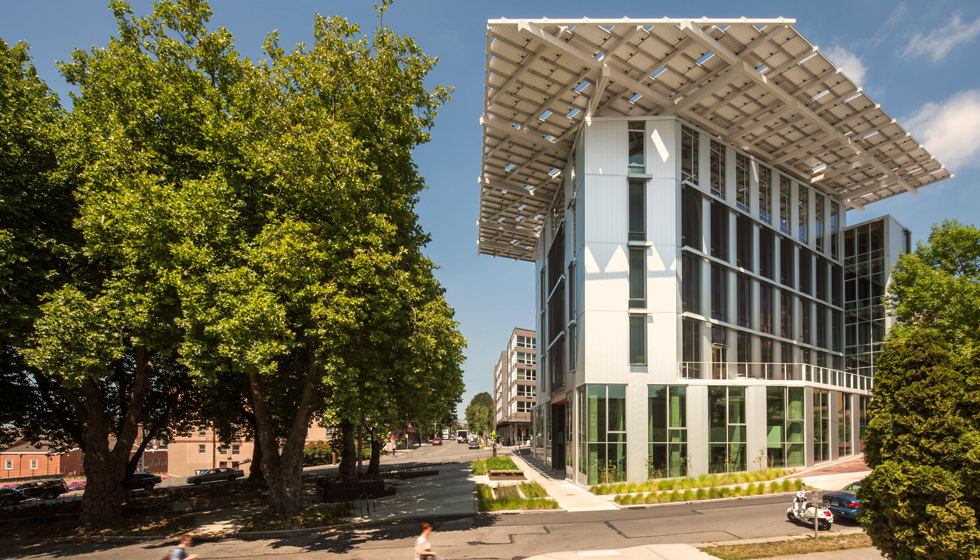
Known as one of the greenest commercial buildings in the world, the Bullitt Center uses a high-performance facade with triple-glazed windows, operable shading, and natural ventilation. Its facade is designed to maximize daylight while minimizing energy use for artificial lighting.
This building’s facade contributes significantly to its net-zero energy performance, setting a benchmark for sustainable office architecture in North America.
3. Oasia Hotel, Singapore
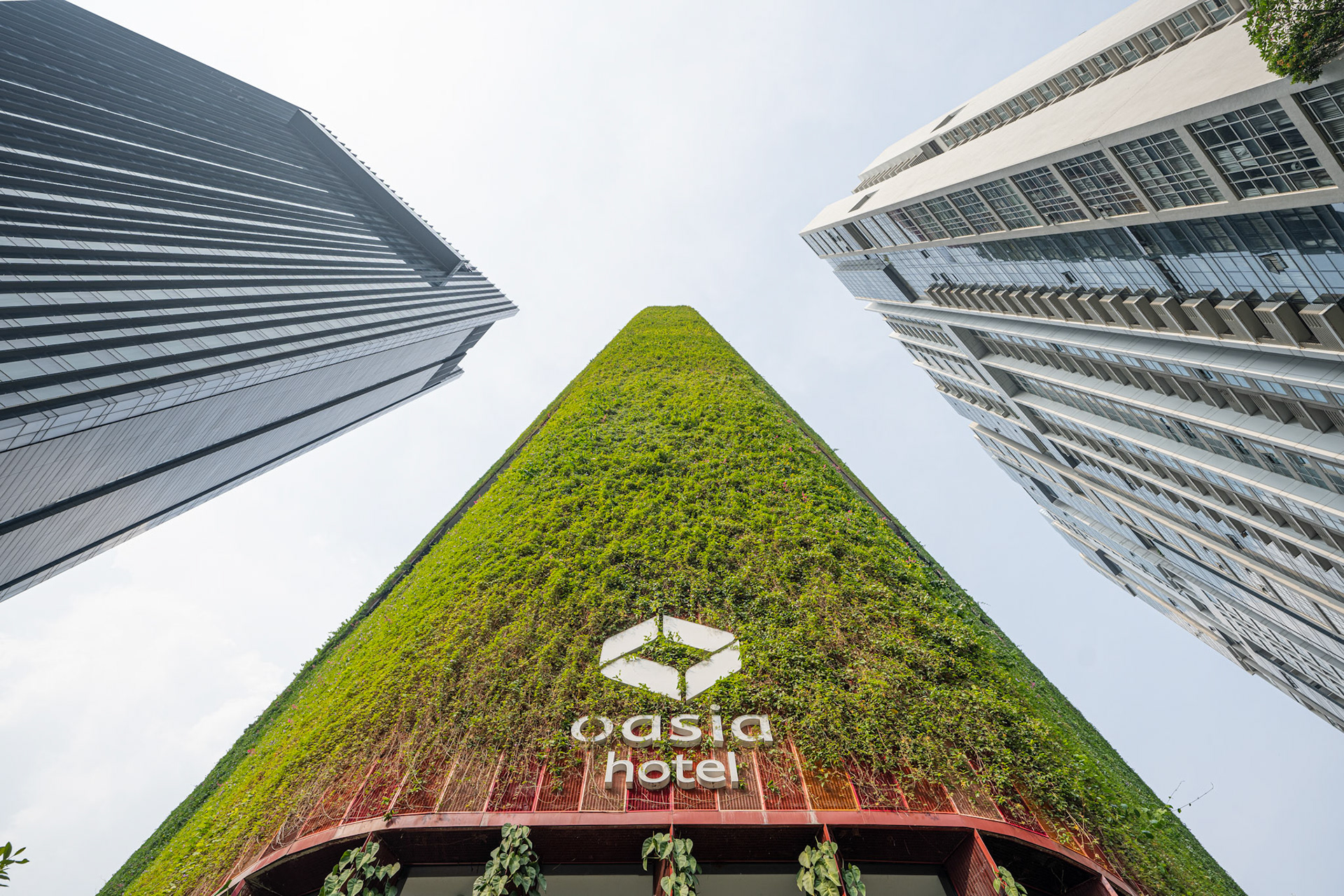
The Oasia Hotel integrates vegetation directly into its facade, making it a living, breathing system. This vertical greenery not only reduces heat gain but also enhances biodiversity in an urban environment. The facade acts as both an insulating layer and a natural cooling mechanism, reducing reliance on mechanical HVAC systems.
By merging landscape with architecture, the Oasia Hotel highlights the versatility of energy-efficient facades in addressing both environmental and social sustainability.
Benefits of Using Energy-Efficient Facades
One of the primary benefits of energy-efficient facades is the reduction in operational costs. By optimizing insulation, ventilation, and lighting, buildings consume less energy, leading to lower utility bills and long-term financial savings. For large commercial projects, this translates to significant economic advantages over decades of operation.
Another crucial benefit lies in improved occupant comfort. A well-designed facade creates consistent indoor temperatures, reduces glare, and enhances air quality. This results in healthier and more productive environments for both residential and commercial spaces.
From an environmental perspective, energy-efficient facades play a vital role in reducing greenhouse gas emissions. Since buildings are responsible for a large portion of global energy consumption, upgrading facades contributes directly to global sustainability targets.
Use Cases and Practical Applications
Energy-efficient facades are particularly valuable in high-rise urban buildings where exposure to direct sunlight and heat is a major challenge. For instance, office towers in hot climates benefit from dynamic shading systems that reduce cooling loads while preserving views and daylight.
In colder climates, triple glazing and insulated cladding systems help retain warmth, reducing dependence on heating systems. This is especially important for residential complexes aiming to provide comfort while minimizing energy costs.
Educational institutions and hospitals also benefit from energy-efficient facades, as they require environments with stable temperatures and good air quality. Implementing smart facades in such settings enhances user comfort and reduces operational expenses, making these facilities more sustainable in the long term.
FAQs
Q1. What materials are commonly used in energy-efficient facades?
Materials include high-performance glass, insulated panels, ventilated cladding, aluminum frames, and dynamic shading devices. These are combined strategically to balance insulation, durability, and aesthetics.
Q2. How do energy-efficient facades contribute to sustainability?
They reduce the overall energy consumption of buildings, lower greenhouse gas emissions, and enhance indoor environmental quality. By integrating smart technologies, they make buildings more resilient and adaptable to changing climates.
Q3. Are energy-efficient facades only suitable for new constructions?
No, they can also be integrated into renovation projects. Retrofitting older buildings with modern facade systems is one of the most effective ways to improve energy efficiency and extend a building’s lifespan.