Glass Facade Residential: A Complete Guide to Modern Living
Glass facade residential architecture has emerged as one of the most distinctive features of contemporary housing design. With its seamless transparency, aesthetic appeal, and ability to merge interiors with natural surroundings, glass has become a favored material in high-end residential construction. Unlike traditional concrete or brick exteriors, a glass facade emphasizes openness, light, and a futuristic architectural identity.
Introduction to Glass Facade Residential Architecture
The growing demand for glass facade residential projects also stems from urban homeowners who desire homes that maximize natural light while maintaining energy efficiency. Modern glazing technology has allowed architects to incorporate large expanses of glass without compromising on safety, thermal insulation, or privacy. This makes glass facades not only a style statement but also a practical solution in today’s eco-conscious residential sector.
Evolution of Glass Facades in Residential Design
The journey of glass facades in residential design began with minimal applications, such as windows and conservatories in the 19th century. At the time, glass was a luxury material used sparingly due to cost and limited structural strength. However, technological advancements in reinforced glass and frame systems revolutionized its role in architecture.
By the mid-20th century, modernist architects like Philip Johnson and Ludwig Mies van der Rohe popularized glass-heavy designs that emphasized transparency and structural clarity. Their projects influenced residential architecture, bringing in larger glazed sections for private homes. Today, the evolution has culminated in fully glazed facades that integrate advanced energy-efficient coatings, laminated safety features, and even smart technologies like self-cleaning glass.
Key Characteristics of Residential Glass Facades
Transparency and Aesthetic Appeal
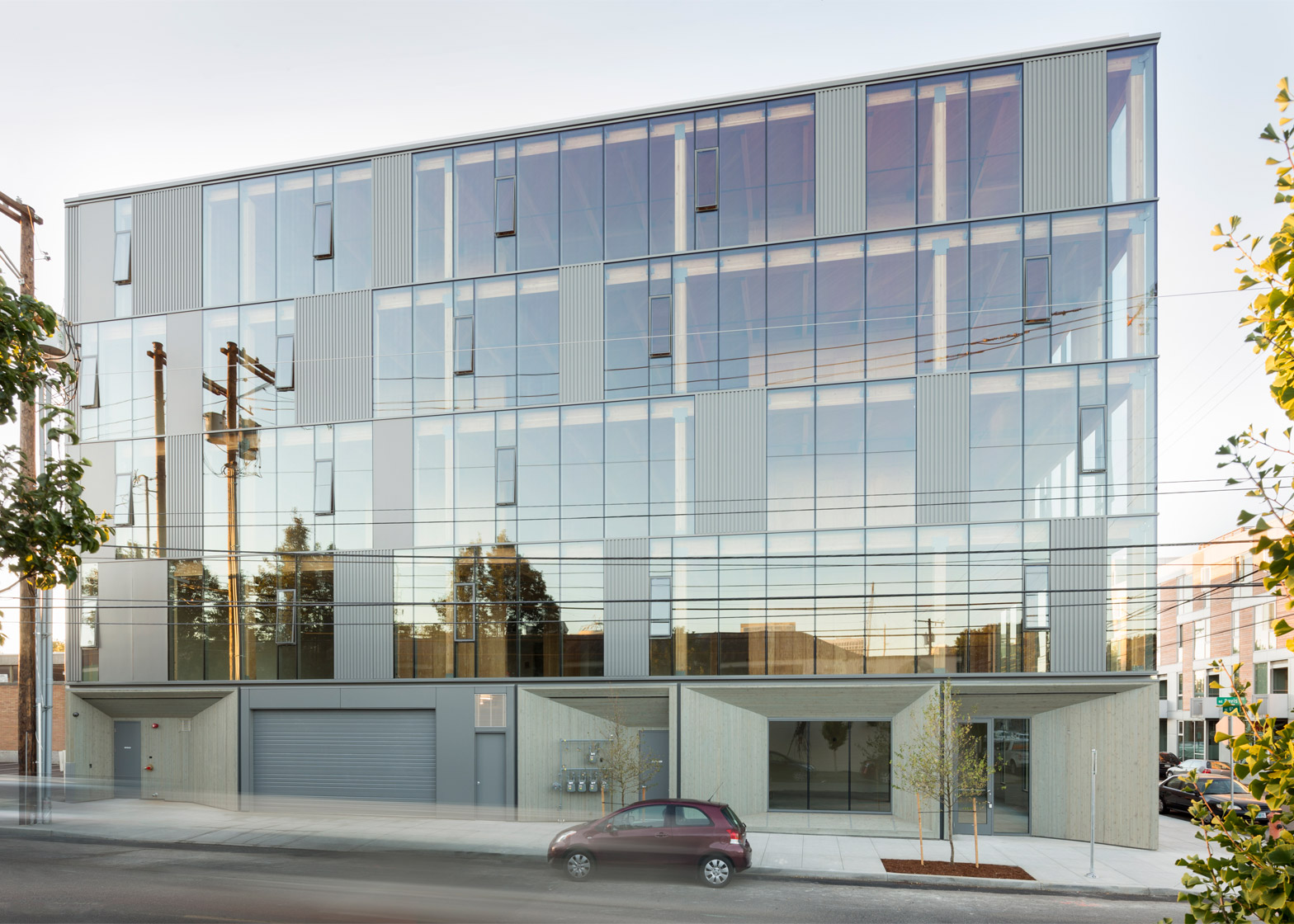
Glass facades transform residential spaces by making them appear more open, inviting, and connected with nature. The visual transparency allows homeowners to enjoy panoramic views, while the reflective quality of glass enhances the modern identity of the building.
Structural Versatility
Modern engineering enables glass facades to adapt to different residential structures—whether detached homes, luxury apartments, or urban villas. Curtain wall systems and double-glazed panels provide both strength and flexibility, making them suitable for a wide range of home designs.
Integration with Technology
Residential glass facades today often incorporate smart technologies such as UV-filtering coatings, insulated glazing, and photovoltaic panels. This not only enhances comfort but also contributes to sustainability, aligning with the global shift toward eco-friendly housing solutions.
Benefits of Glass Facade Residential Architecture
Maximizing Natural Light
One of the greatest advantages of glass facades is their ability to flood interiors with natural daylight. This reduces dependence on artificial lighting, creating a healthier indoor environment while lowering electricity costs. Natural light also improves mood, productivity, and overall well-being.
Enhanced Energy Efficiency
With the introduction of double-glazed and low-emissivity (Low-E) glass, residential facades can significantly improve energy efficiency. These materials regulate indoor temperatures, preventing excessive heat gain in summer and retaining warmth in winter. As a result, homeowners experience lower energy consumption for heating and cooling.
Strong Aesthetic Identity
A glass facade instantly gives a residence a futuristic, high-end appearance. Unlike traditional exteriors, it communicates sophistication, elegance, and openness, making it a popular choice among architects and homeowners who want their property to stand out.
Seamless Indoor-Outdoor Connection
Glass facades blur the boundaries between indoor and outdoor environments. This design approach allows residents to enjoy scenic views, connect with nature, and create an expansive sense of space, even within urban environments.
Real-World Examples of Glass Facade Residential Projects
1. Farnsworth House by Ludwig Mies van der Rohe
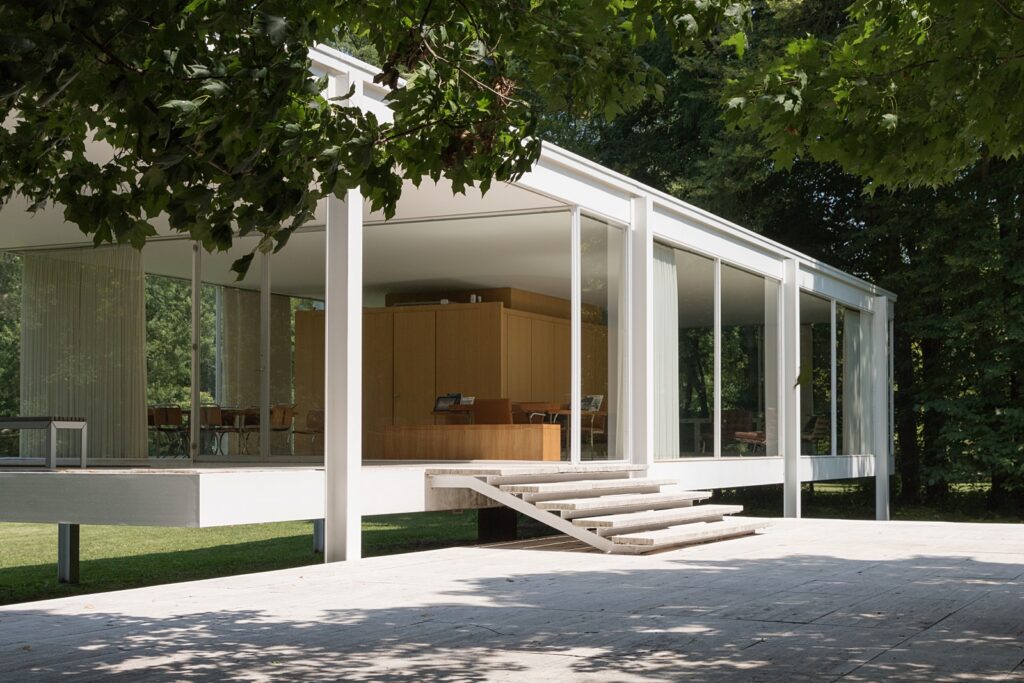
The Farnsworth House, completed in 1951, remains one of the most iconic examples of residential glass facades. The home is almost entirely encased in glass, with minimal structural framing. It embodies the principle of transparency, allowing residents to feel fully immersed in the surrounding natural landscape. Despite being built decades ago, it continues to inspire modern glass facade residential projects.
2. Philip Johnson’s Glass House

Philip Johnson’s Glass House, built in Connecticut in 1949, is another masterpiece showcasing residential glass architecture. The house features floor-to-ceiling glass walls on all sides, creating a strong sense of openness. While it prioritizes aesthetic and spatial harmony, its design also raises discussions about privacy, making it a benchmark case study in balancing transparency with comfort.
3. Contemporary Glass Villas in Dubai
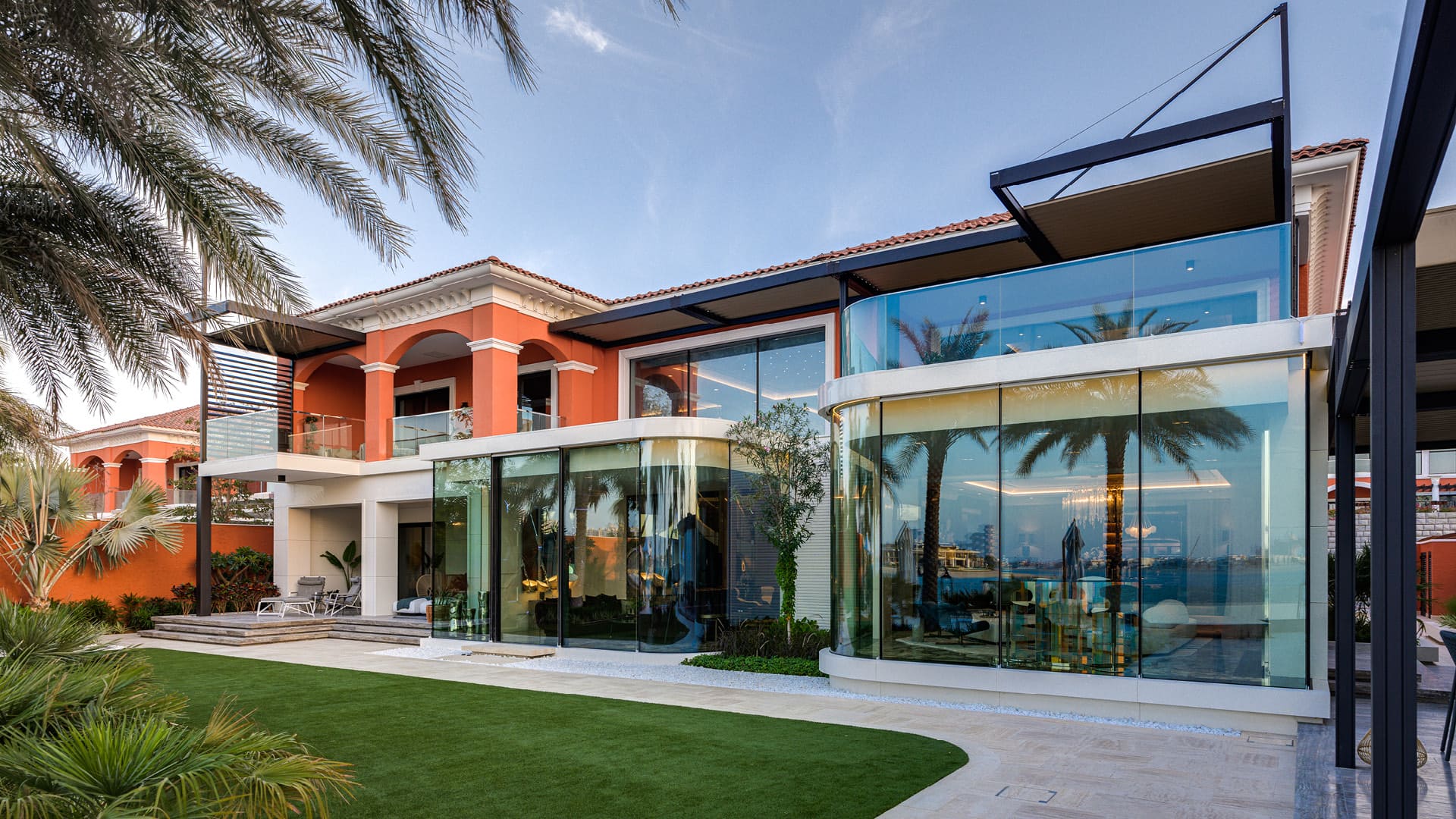
Modern-day luxury villas in Dubai highlight the advancement of residential glass facades. These villas use expansive glazed curtain walls combined with insulated glazing systems to maintain comfort in hot desert climates. Energy-efficient coatings and advanced shading systems make them functional, sustainable, and visually stunning.
4. Scandinavian Minimalist Homes

In Northern Europe, particularly in Scandinavia, glass facade homes are designed to maximize daylight during long winters. Many modern minimalist homes feature entire glass frontages facing natural landscapes such as lakes or forests. The combination of glass with wood or concrete accents creates a balanced aesthetic while ensuring energy conservation in colder climates.
Use Cases of Glass Facade Residential Design
Solving Urban Density Challenges
In cities where homes are built on compact plots, glass facades help create the illusion of larger spaces by inviting more light and opening views outward. This makes small apartments and townhouses feel less confined and more livable.
Sustainability in Housing
Homeowners increasingly seek eco-friendly housing solutions. Glass facades, when paired with advanced glazing technology, reduce the carbon footprint of homes by lowering energy needs. Additionally, integrating photovoltaic glass panels allows residents to generate renewable energy directly from their facades.
Enhancing Luxury and Market Value
For homeowners and developers, glass facade residential properties have a strong impact on real estate value. Their distinctive design, combined with practical energy-saving benefits, often makes them more attractive to potential buyers seeking premium residences.
Privacy with Smart Glass
One of the main concerns with glass facades is privacy. However, solutions such as electrochromic smart glass allow residents to switch between transparent and opaque states, ensuring comfort and discretion without compromising natural light.
FAQs
Q1. Are glass facades practical for residential homes in all climates?
Yes, but with modifications. In hot regions, insulated glass with UV coatings and shading devices is used to minimize heat. In colder climates, triple glazing and low-emissivity coatings help retain warmth. This adaptability makes glass facades suitable worldwide.
Q2. How do glass facades affect privacy in residential areas?
While glass facades are transparent, privacy can be maintained using tinted glass, frosted finishes, or smart glass technologies. Landscaping and architectural design strategies, such as positioning facades toward private views, also enhance privacy.
Q3. Do glass facades require high maintenance?
Glass facades do require regular cleaning to maintain their aesthetic appeal. However, many modern glass products include self-cleaning coatings that reduce maintenance needs by breaking down dirt and allowing rainwater to wash it away naturally.