Luxury Exterior Wall Cladding: Modern Materials, Benefits, and Design Insights
Luxury exterior wall cladding is more than just a protective covering for buildings—it is a statement of design, innovation, and architectural sophistication. In modern construction, cladding defines the character of a property, serving both functional and aesthetic roles. From natural stone to advanced composite panels, the variety of materials available today allows architects and homeowners to create unique facades that balance durability with elegance.
Cladding not only shields a building from weathering and temperature fluctuations but also transforms its visual appeal, turning a simple structure into a symbol of luxury. With advancements in technology and design, luxury exterior wall cladding has become one of the most sought-after architectural solutions for upscale residential and commercial projects.
The Essence of Luxury in Modern Cladding Design
Luxury in cladding does not solely come from the material itself but from its ability to combine aesthetics, durability, and performance. High-end cladding reflects precision craftsmanship and often integrates sustainable technologies to enhance building efficiency.
Designers are increasingly using luxury cladding to merge tradition with modernity—natural stone finishes provide timeless appeal, while sleek metal or glass composites offer contemporary elegance. This duality makes luxury wall cladding versatile and adaptable to both classic villas and futuristic urban residences.
Key Materials in Luxury Exterior Wall Cladding
Natural Stone Cladding
Natural stone is one of the oldest and most prestigious cladding options. Its timeless beauty and robust durability make it a hallmark of luxury architecture. Granite, marble, limestone, and slate each bring distinct textures and colors that add depth and richness to building facades.
Natural stone cladding is often chosen for its ability to withstand harsh climates and age gracefully. Each stone slab is unique, ensuring that no two facades are ever identical, which is a crucial element in luxury design.
Metal Cladding
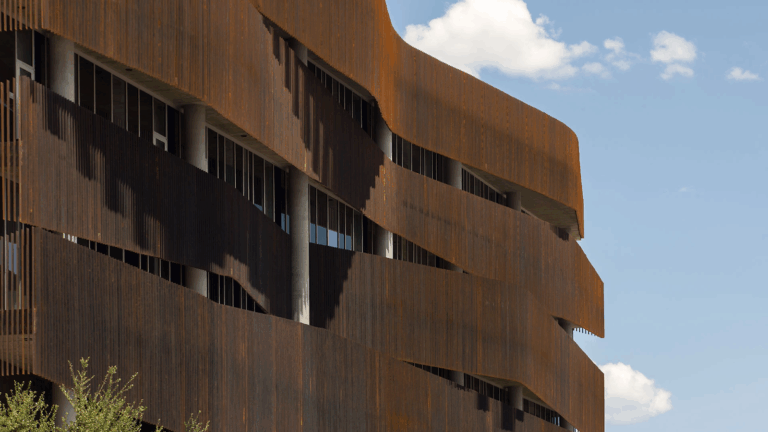
Metals such as aluminum, copper, and zinc are increasingly being used in luxury wall cladding due to their sleek and modern appearance. These materials offer excellent weather resistance, low maintenance, and adaptability in shaping and finishing.
Copper, in particular, is valued for the way it develops a natural patina over time, adding character and individuality to the building. Meanwhile, aluminum panels can be anodized or powder-coated in various finishes, providing creative freedom for architects.
Wood and Composite Timber Cladding
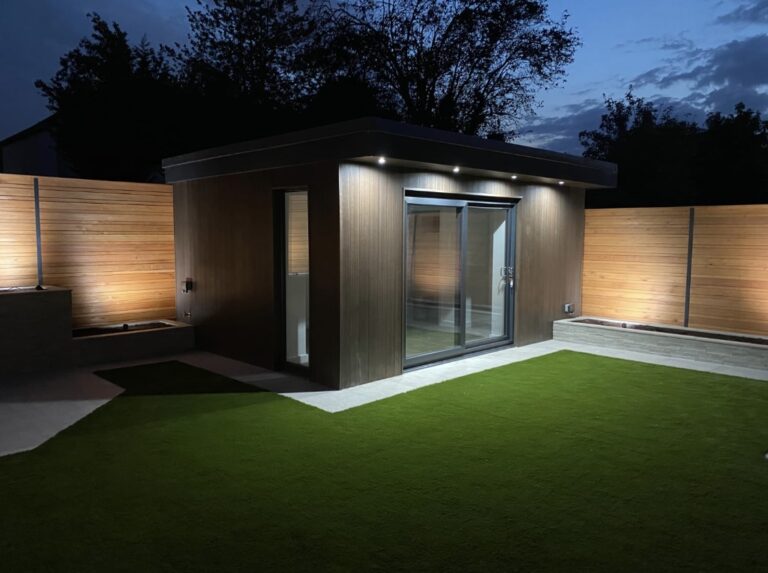
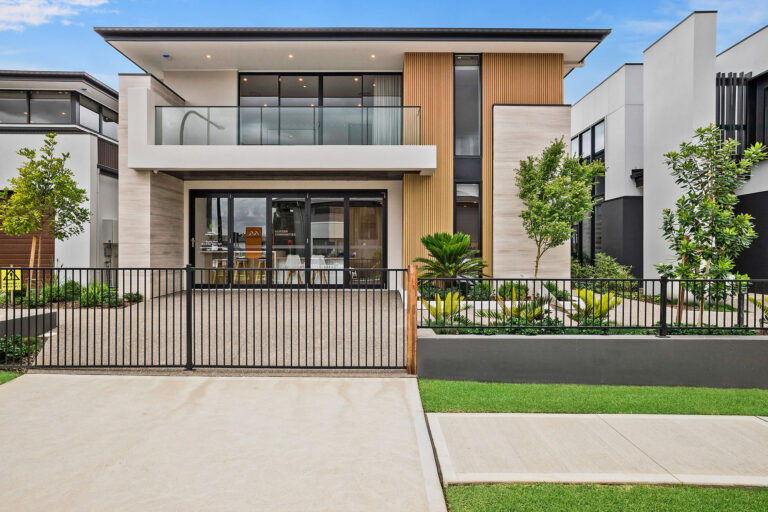
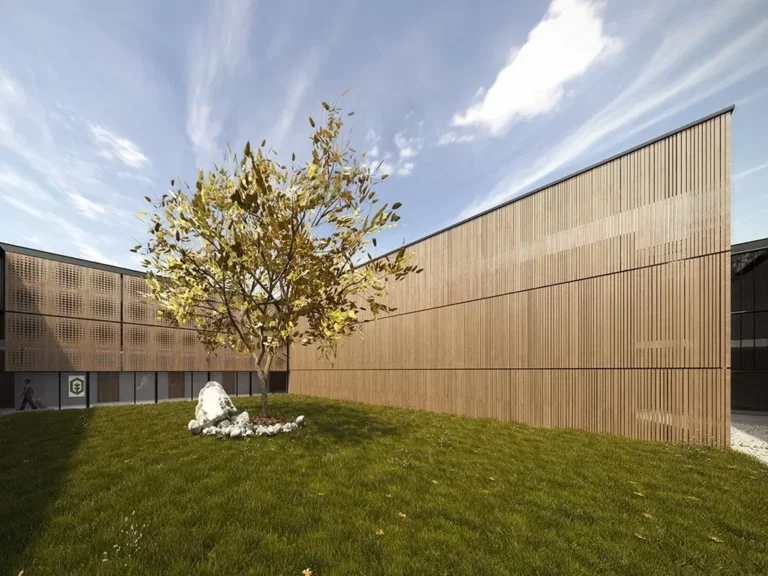
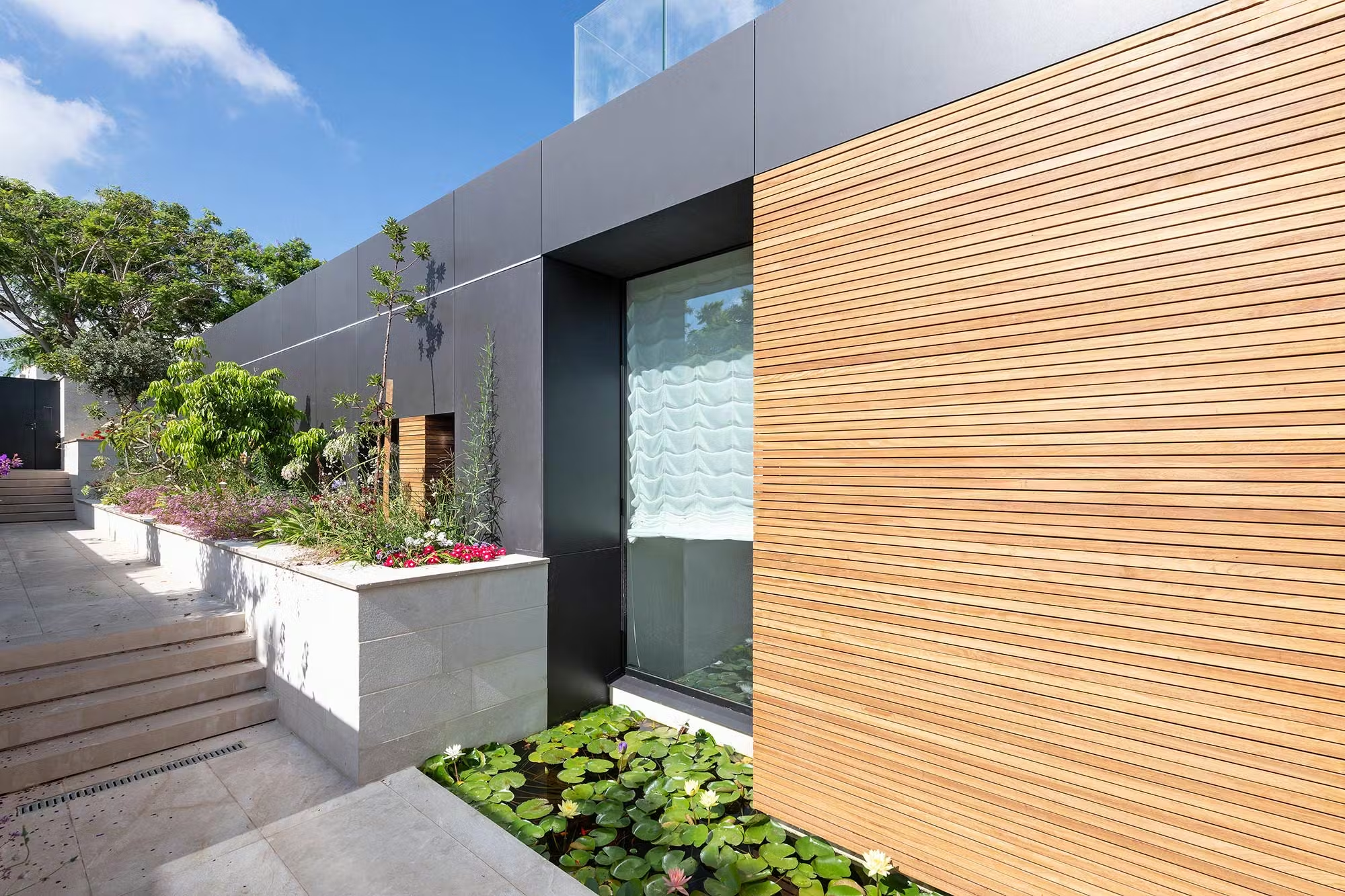
Wooden cladding has always been associated with warmth and elegance. In luxury applications, hardwoods like teak, cedar, and oak are popular choices, while modern composite timber offers the same beauty with enhanced resistance to weathering, rot, and pests.
Composite timber cladding replicates the natural grain and appearance of real wood while requiring significantly less maintenance. This makes it ideal for homeowners seeking both aesthetics and practicality.
High-Performance Glass and Ceramic Panels
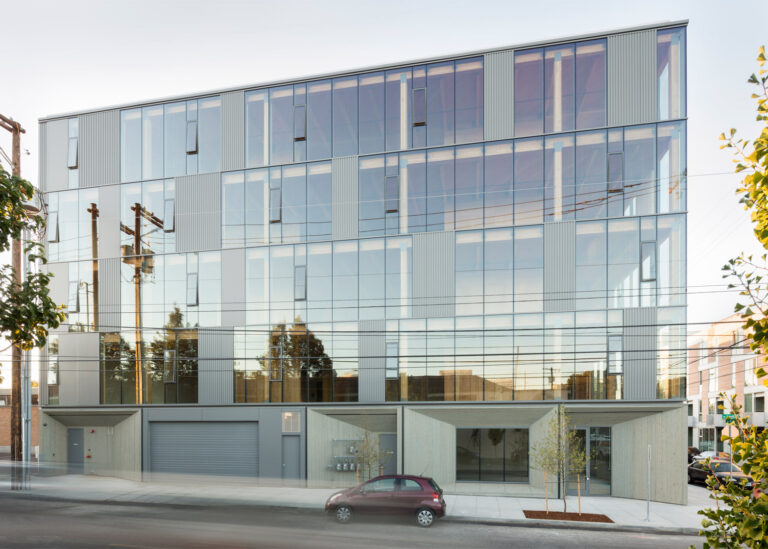
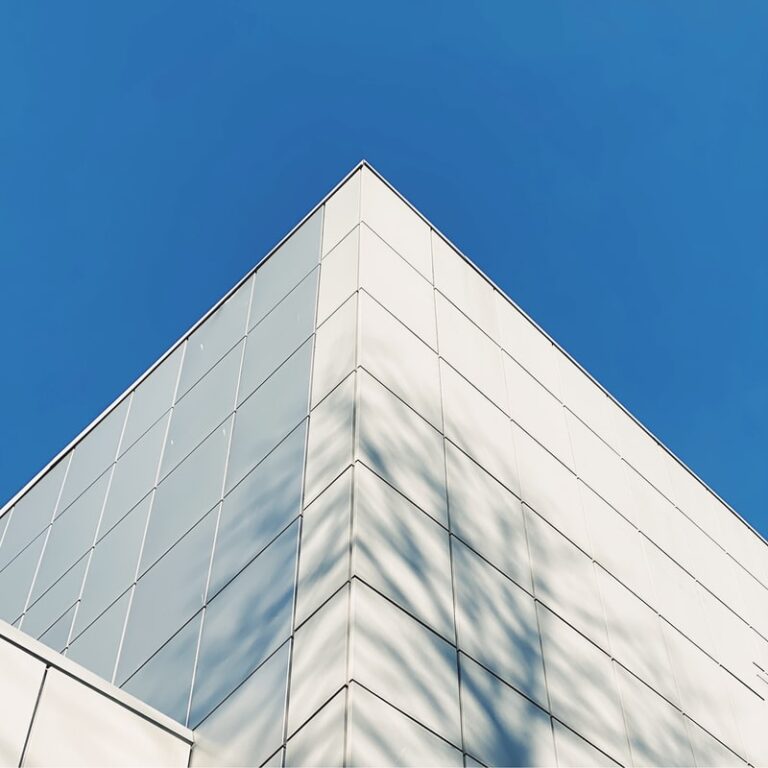
Luxury facades often incorporate glass and ceramic panels for a clean, contemporary aesthetic. Glass cladding offers a reflective quality that enhances natural light and creates a striking architectural statement, especially in high-rise luxury buildings.
Ceramic panels, on the other hand, provide durability, fire resistance, and a wide array of finishes, from polished to textured, making them a versatile solution in premium cladding projects.
Benefits of Using Modern Cladding Technologies
Advancements in material engineering and installation techniques have elevated luxury cladding beyond mere decoration.
Enhanced Energy Efficiency
Modern cladding systems often include thermal insulation layers, reducing heat transfer and improving overall building efficiency. This leads to lower energy consumption for heating and cooling, which aligns with sustainable luxury living.
Superior Weather Protection
Luxury cladding provides a robust shield against environmental elements, including rain, wind, snow, and UV radiation. By preventing water infiltration and minimizing thermal stress, it helps preserve structural integrity over decades.
Acoustic Performance
High-quality cladding materials also contribute to sound insulation, ensuring that luxury homes and commercial spaces maintain tranquility even in urban environments.
Sustainability and Eco-Friendly Design
Sustainability is a growing priority in luxury construction. Many cladding materials, such as composite timber or recycled metal, are designed with eco-conscious manufacturing processes. This allows homeowners to embrace both luxury and responsibility.
Real-World Examples of Luxury Exterior Wall Cladding
1. Natural Stone Cladding in Luxury Villas
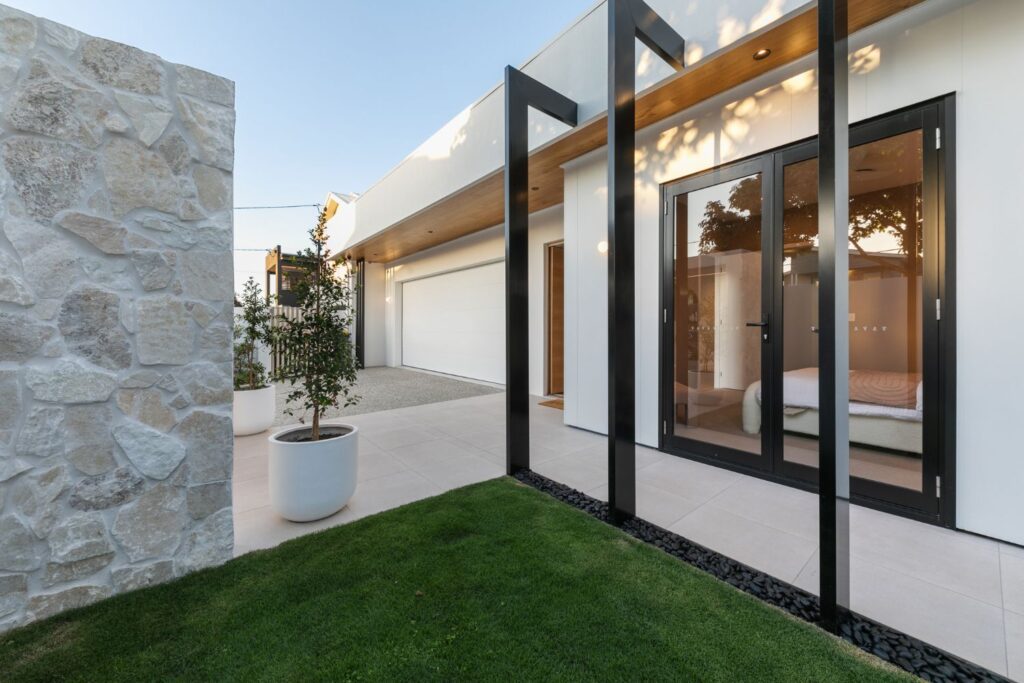
High-end villas frequently use natural stone cladding to exude elegance and permanence. For example, a limestone or marble facade on a Mediterranean-style villa instantly conveys luxury while blending harmoniously with natural surroundings.
Beyond beauty, the stone’s durability ensures the home maintains its grandeur for generations. Its natural variation in texture and color adds richness, making every project unique.
2. Metal Cladding on Contemporary Residences
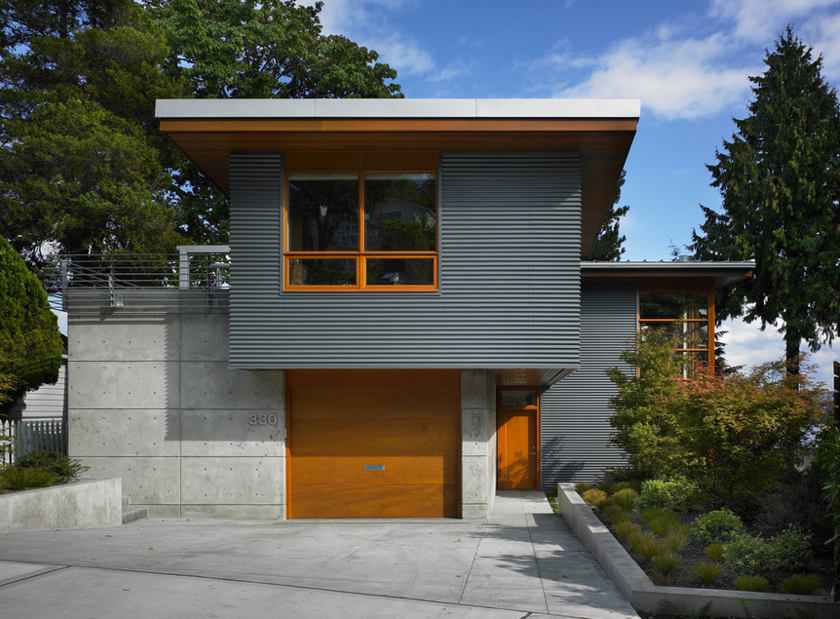
In modern architecture, sleek aluminum or copper cladding is a defining feature. A luxury penthouse clad in brushed aluminum panels stands out in city skylines with its futuristic appeal.
Copper cladding, in particular, transforms over time, developing a rich patina that evolves with the building, adding a narrative of age and refinement.
3. Timber and Composite Wood in Modern Homes
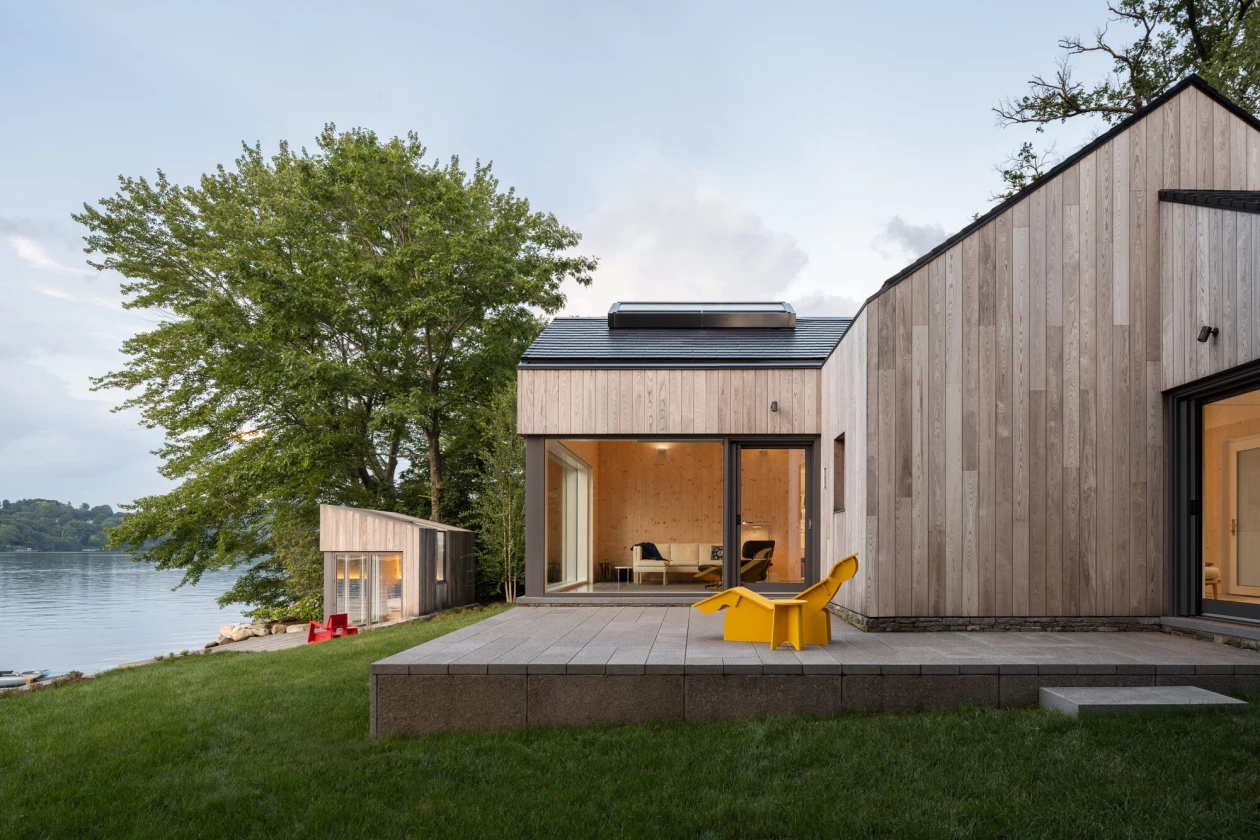
Luxury mountain homes and lakeside retreats often integrate timber or composite cladding. The warmth of natural wood creates a cozy, inviting atmosphere, while composite timber ensures resilience against moisture and insects.
This combination allows luxury homes to remain visually stunning while reducing long-term maintenance demands.
4. Ceramic Panels in High-Rise Buildings
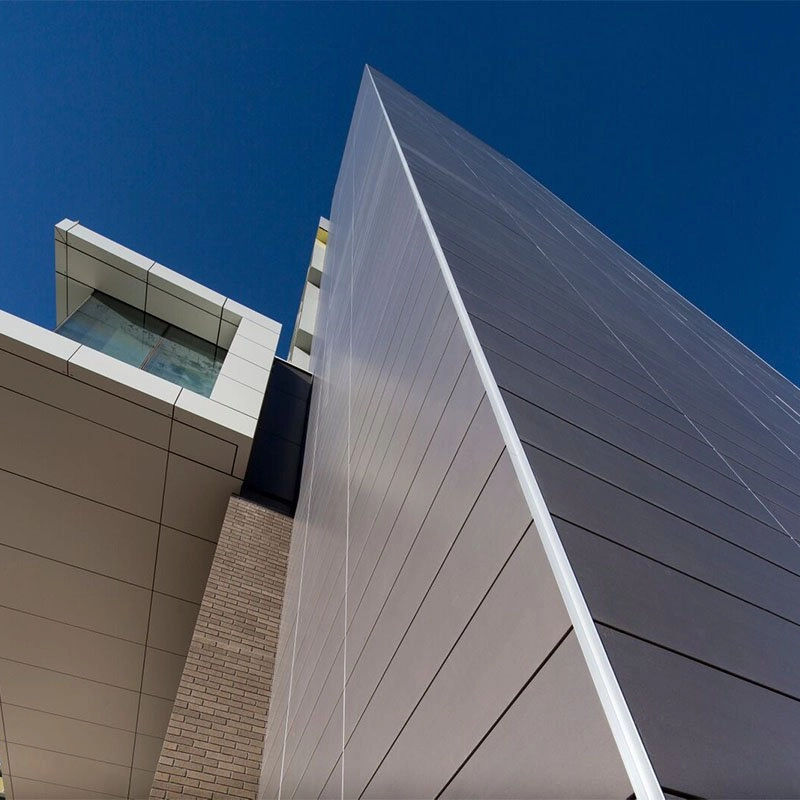
Ceramic cladding is increasingly used in luxury high-rise developments. Its smooth, polished finish and resistance to fading make it an ideal choice for structures exposed to intense sunlight.
By combining elegance with fire resistance and minimal upkeep, ceramic panels represent a future-forward approach to luxury facades.
Use Cases and Practical Advantages of Luxury Wall Cladding
Problem-Solving in Harsh Climates
Luxury cladding solutions are particularly beneficial in extreme climates. For example, stone and ceramic cladding withstand desert heat, while timber and composite options perform well in colder, wetter environments.
Enhancing Property Value
A beautifully clad exterior significantly increases a property’s value. Luxury cladding signals premium quality and craftsmanship, making it attractive to buyers or tenants seeking exclusivity.
Customization for Architectural Identity
Cladding enables full customization of building exteriors. Whether aiming for a classical European style or a minimalist modern design, luxury cladding materials allow architects to shape a distinct identity that sets the property apart.
Frequently Asked Questions
Q1. What makes luxury exterior wall cladding different from standard cladding?
Luxury wall cladding typically involves high-end materials such as natural stone, metals, or ceramics. These options not only provide superior durability and performance but also enhance the architectural elegance of the building.
Q2. Is luxury cladding suitable for all types of climates?
Yes, different luxury cladding materials are designed for various climates. Natural stone and ceramic panels perform well in extreme heat, while composite timber and metals like zinc or aluminum offer excellent resistance to rain and snow.
Q3. Does luxury cladding require high maintenance?
Not necessarily. While natural wood may require upkeep, many modern luxury cladding options, such as composites, ceramics, and metal, are designed for low maintenance while retaining their aesthetic appeal over time.