Minimalist Concrete Facades: A Complete Guide to Modern Architectural Elegance
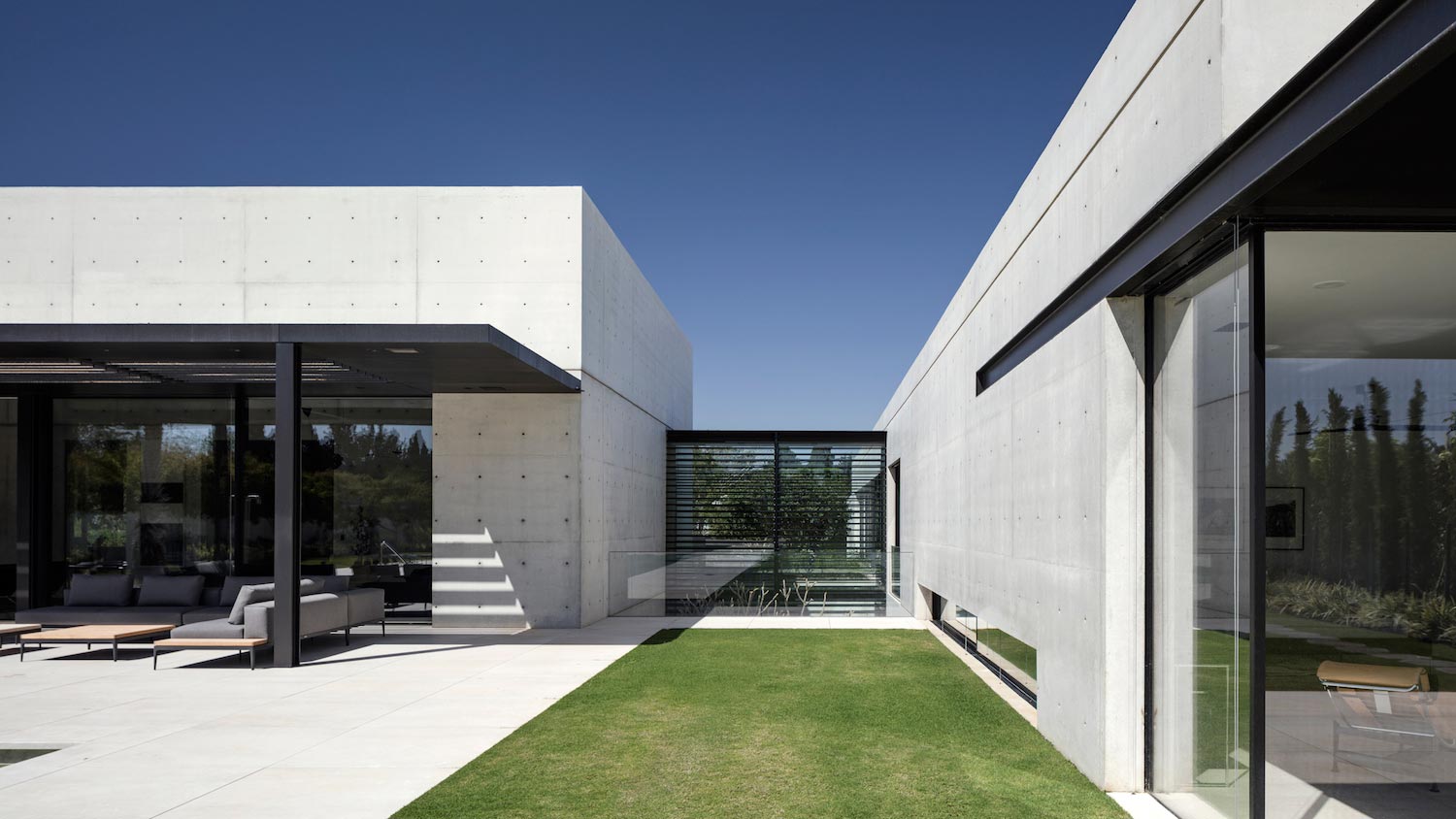
Minimalist concrete facades have become a defining feature of modern architecture, combining simplicity, strength, and aesthetic balance. Unlike traditional facades that emphasize ornamentation, minimalist facades prioritize clean lines, geometric clarity, and functional expression. The use of concrete as the primary material not only enhances durability but also provides a timeless, monolithic appearance.
The principle behind minimalist concrete facades lies in achieving harmony between function and form. These designs avoid excessive decoration and instead focus on proportion, texture, and light interaction with the material. By doing so, architects create structures that feel both robust and serene, offering a sense of permanence while seamlessly integrating with contemporary lifestyles.
The Rise of Minimalism in Architecture
Minimalism in architecture emerged as a response to excessive decorative trends of the past, favoring simplicity and essentialism. Concrete, with its raw and adaptable qualities, became the perfect material to embody this movement. Today, minimalist facades are not limited to commercial buildings but are increasingly embraced in residential projects, urban spaces, and cultural institutions.
Architects now use concrete to frame natural light, create shadow play, and highlight architectural volumes. This trend aligns with sustainable design values, as concrete facades can regulate indoor temperatures, reduce maintenance needs, and last for decades without significant degradation.
Core Characteristics of Minimalist Concrete Facades
Clean Geometries and Simplicity
Minimalist facades are defined by uncluttered lines, symmetry, and clear structural organization. Every element has a purpose, and unnecessary detailing is eliminated. This simplicity provides visual calmness and a sculptural presence.
Natural Concrete Finishes
Instead of covering concrete with layers of paint or cladding, minimalist facades often expose its raw texture. This rawness celebrates authenticity, showcasing the material’s natural beauty, surface imperfections, and tonal variations.
Interaction with Light and Shadow
The depth and geometry of minimalist facades allow sunlight to enhance the architectural design. The concrete surfaces cast shadows that change throughout the day, creating dynamic visual experiences.
Real-World Examples of Minimalist Concrete Facades
1. Casa Gilardi by Luis Barragán
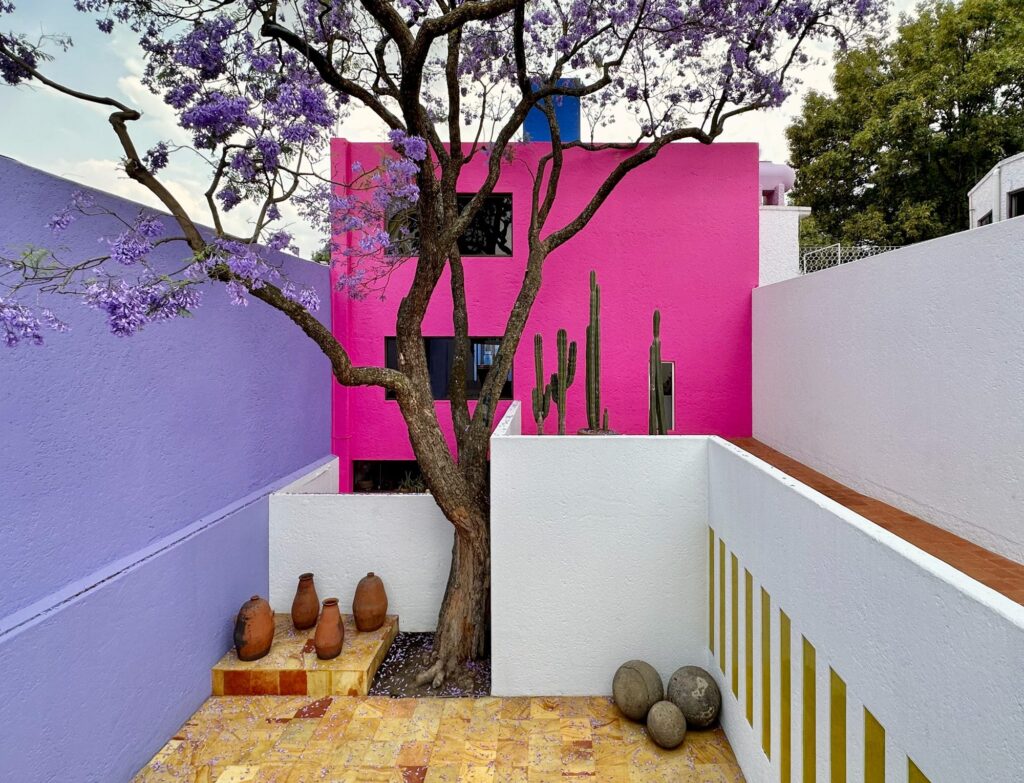
Casa Gilardi in Mexico City demonstrates how concrete facades can integrate minimalism with cultural sensitivity. The home combines smooth concrete walls with bold color planes and natural light integration. Its façade expresses minimalism while highlighting spatial harmony.
This project shows how concrete facades can blend minimalist aesthetics with emotional resonance. The interplay of stark concrete with natural surroundings makes it a benchmark for modern residential design.
2. Tadao Ando’s Church of the Light
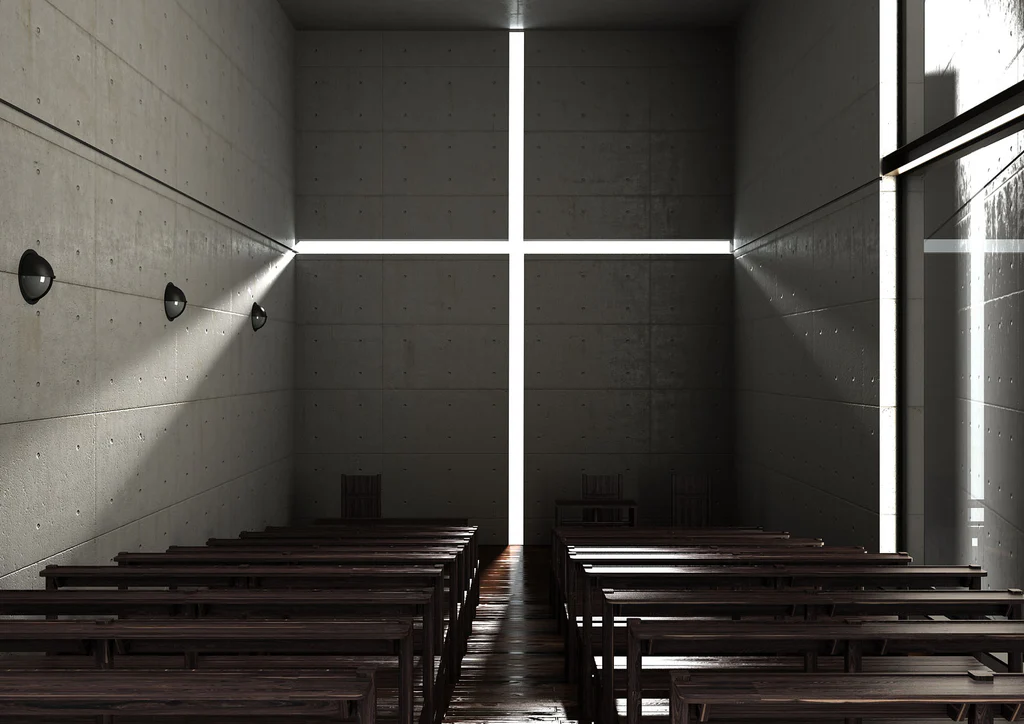
Tadao Ando’s Church of the Light in Japan is a classic example of minimalist concrete design. The façade features plain concrete walls intersected by a cross-shaped cut that allows light to enter the interior.
The minimal use of form, combined with raw concrete texture, highlights the spiritual quality of simplicity. The façade itself is a silent architectural statement, proving how minimalist concrete surfaces can embody profound meaning.
3. Villa Vals, Switzerland
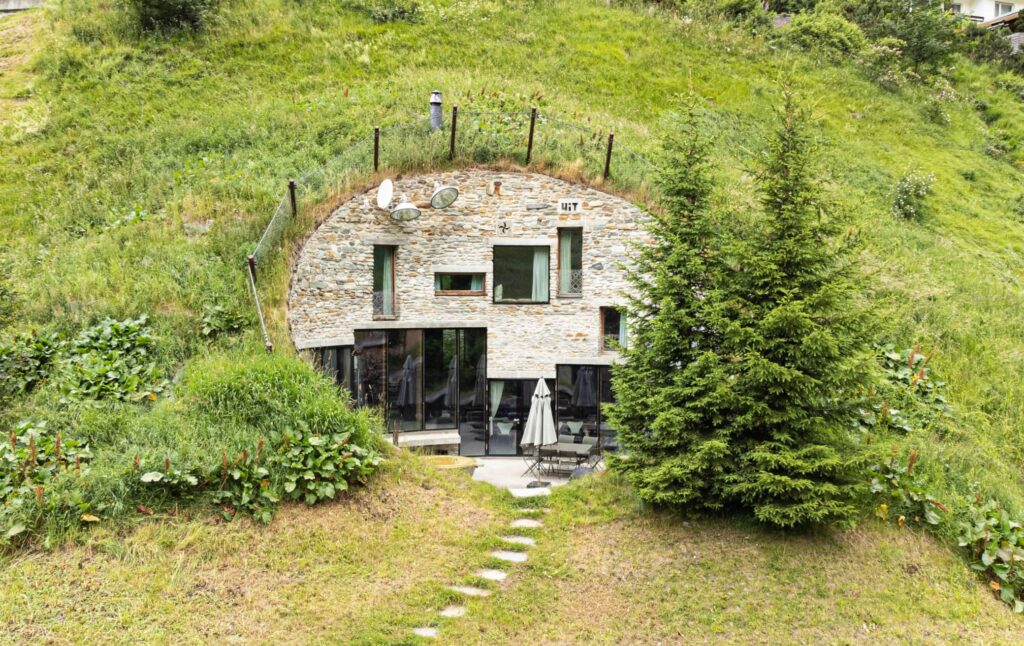
Villa Vals by SeARCH and CMA architects showcases a façade integrated directly into a mountainside, with exposed concrete maintaining a minimalist appearance. The design blends natural surroundings with modern simplicity, using circular openings framed by concrete.
This example illustrates how minimalist concrete facades can harmonize with natural environments while retaining a strong architectural identity. The durable material also makes it suitable for challenging climates.
4. The Pulitzer Foundation for the Arts, St. Louis
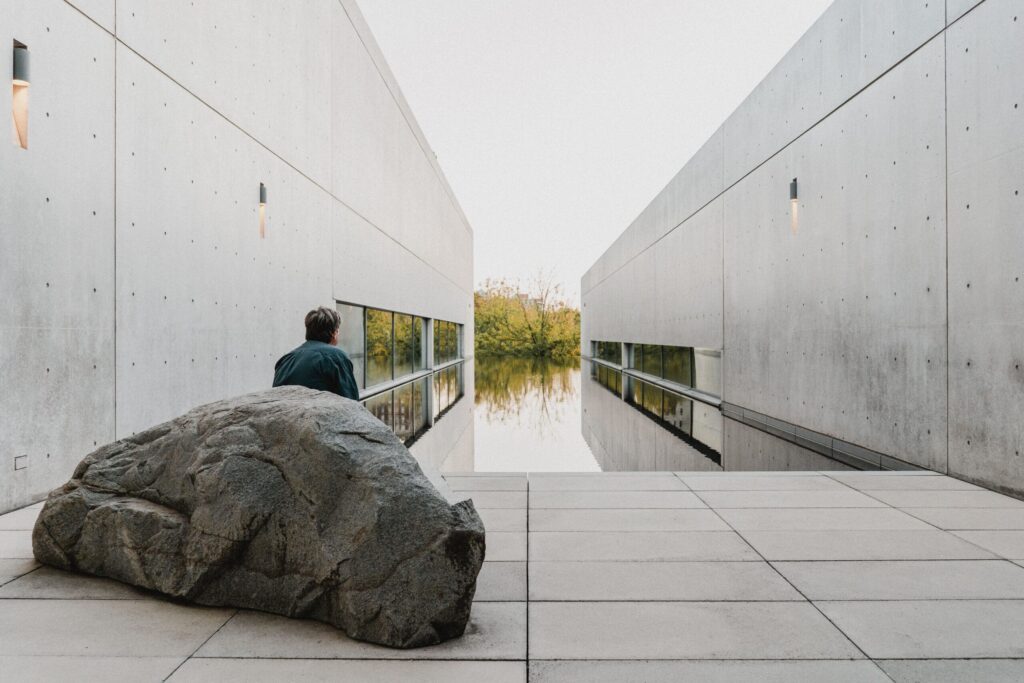
Designed by Tadao Ando, the Pulitzer Foundation is a cultural building that embodies minimalist ideals. Its concrete façade has clean surfaces, subtle detailing, and an emphasis on proportions.
The structure demonstrates how minimalist concrete facades work perfectly in public and institutional architecture, providing durability, elegance, and timeless character.
Benefits of Minimalist Concrete Facades
Durability and Low Maintenance
Concrete is resistant to weathering, pests, and fire, making facades last for decades with minimal upkeep. Unlike painted exteriors, raw concrete requires less maintenance and maintains its character over time.
Sustainability in Design
Concrete facades contribute to sustainable architecture by enhancing thermal regulation. With proper insulation, they reduce energy demands for heating and cooling. Many projects now also use recycled aggregates in concrete mixes, lowering environmental impact.
Aesthetic Timelessness
Minimalist facades rarely go out of style, thanks to their neutral, refined look. Concrete surfaces allow a building to appear strong yet understated, fitting into both urban and natural environments.
Flexibility and Versatility
Concrete can be molded, textured, or left raw, offering endless design possibilities. It supports creative yet functional designs that suit residential, commercial, and cultural contexts alike.
Practical Use Cases for Minimalist Concrete Facades
Residential Homes
Homeowners use minimalist facades to achieve privacy while maintaining a clean, modern aesthetic. Concrete walls also serve as a sound barrier, perfect for urban environments.
Commercial Buildings
Businesses adopt minimalist concrete exteriors to project professionalism and timeless appeal. The durability ensures reduced maintenance costs, while the design communicates sophistication.
Cultural Institutions
Museums, galleries, and religious buildings often use minimalist concrete facades to emphasize contemplation and focus on the interior experience.
Urban Infrastructure
From libraries to educational centers, minimalist concrete designs support long-lasting, low-maintenance structures that enhance civic spaces.
Frequently Asked Questions
Q1. Are minimalist concrete facades expensive to build?
They can be costlier initially due to specialized formwork and finishing techniques, but the durability and low maintenance requirements often balance out the investment over time.
Q2. Do minimalist concrete facades work in all climates?
Yes, but in very cold or hot regions, additional insulation layers may be required to optimize energy efficiency and prevent thermal bridging.
Q3. How do architects prevent minimalist concrete facades from looking too plain?
Architects use light, shadow, proportion, and surface texture to create visual depth. Minimalism relies on subtleties rather than ornamentation, ensuring the façade remains elegant and expressive.