Minimalist Wooden Fences: Design, Benefits, and Practical Applications for Modern Homes
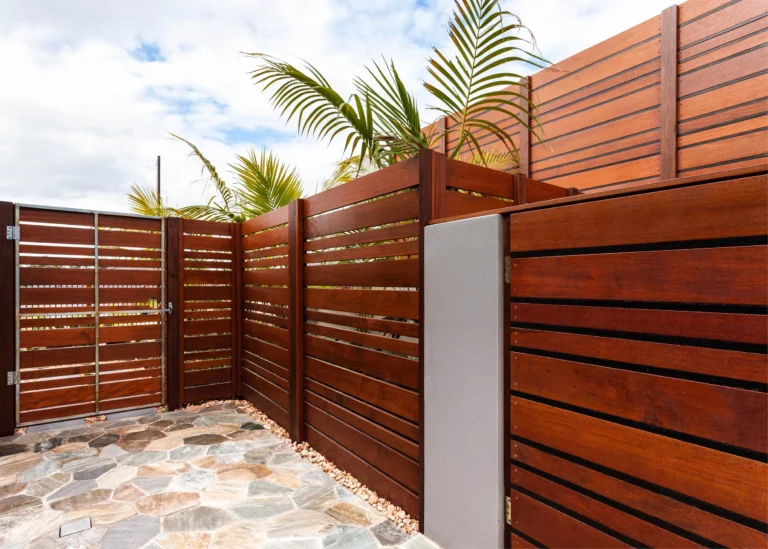
Minimalist wooden fences have become a defining feature of modern home exteriors, blending natural aesthetics with functional design. Unlike traditional fences that often emphasize heavy detailing or ornamental patterns, minimalist wooden fences focus on clean lines, simplicity, and practical appeal. They strike a balance between privacy, durability, and style, making them highly desirable for homeowners who value both functionality and design harmony.
These fences are not only about appearances—they also offer practical solutions to common property challenges, such as boundary definition, noise reduction, and privacy control. By using natural wood materials combined with minimalist design principles, they create an exterior atmosphere that feels warm, welcoming, and timeless.
Key Design Characteristics of Minimalist Wooden Fences
Minimalist wooden fences often emphasize straight lines and uniformity. The design avoids clutter or excessive ornamentation, focusing instead on proportion, spacing, and natural finishes. This design philosophy makes them ideal for modern architectural settings, where every element serves both a visual and functional purpose.
Another important characteristic is the use of natural wood tones. Unlike painted or highly decorated fences, minimalist designs often highlight the wood’s grain, texture, and natural beauty. This enhances the fence’s ability to blend seamlessly with outdoor landscapes, gardens, or urban environments.
Materials Commonly Used in Minimalist Wooden Fences
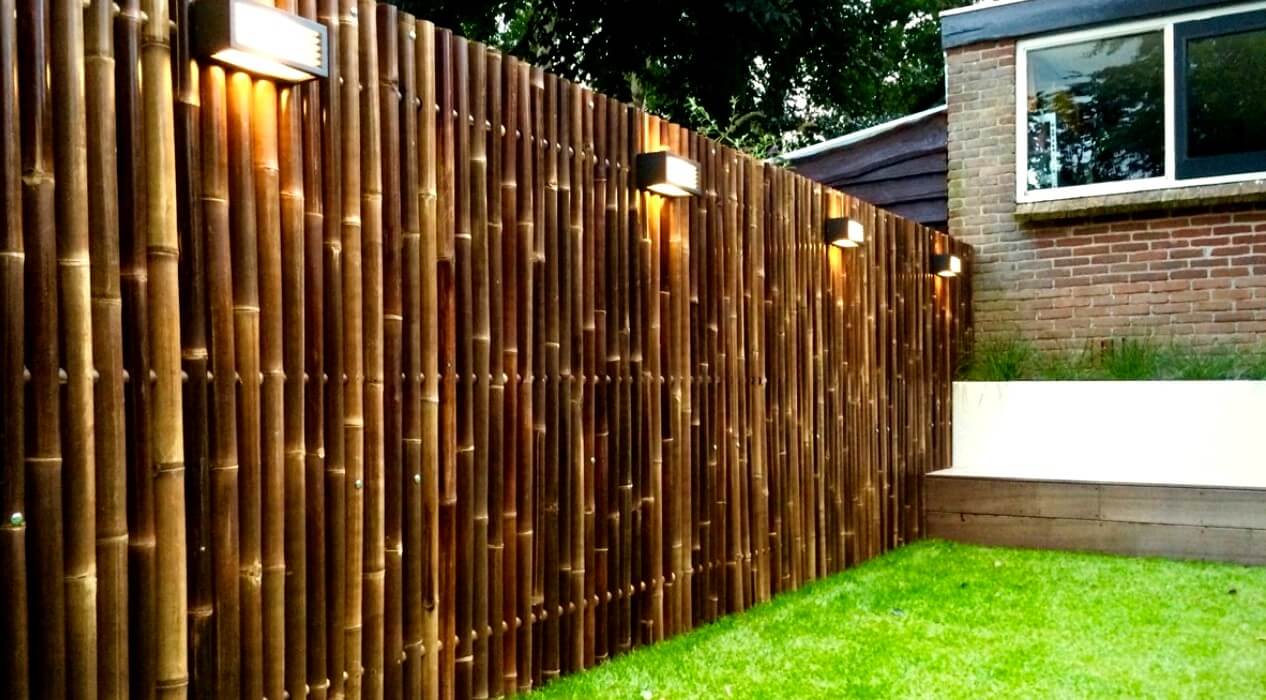
Wood selection plays a critical role in determining both durability and aesthetics. Common materials include cedar, pine, teak, and redwood. Cedar is particularly popular for its resistance to decay and insect damage, while teak and redwood are often chosen for their longevity and striking natural tones.
Sustainable wood options are also gaining traction, with eco-conscious homeowners preferring reclaimed or FSC-certified wood. These materials not only align with minimalist principles of intentional living but also reduce environmental impact.
Benefits of Using Minimalist Wooden Fences
Minimalist wooden fences provide a wide range of benefits beyond visual appeal. First, they create a structured and defined boundary around a property while maintaining a sense of openness. This balance is especially important for homeowners who want security without feeling closed off from the outside world.
Another significant advantage is versatility. Minimalist wooden fences adapt to a variety of architectural styles, from contemporary houses with sharp geometrical lines to rustic properties with natural landscapes. Their timeless aesthetic ensures they remain relevant even as design trends evolve.
Additionally, wooden fences can be customized to meet specific functional needs—whether that means maximizing privacy, reducing noise, or enhancing airflow. The minimalist approach makes customization easier, as the focus remains on purposeful design choices.
Real-World Examples of Minimalist Wooden Fences
1. Horizontal Slat Cedar Fence
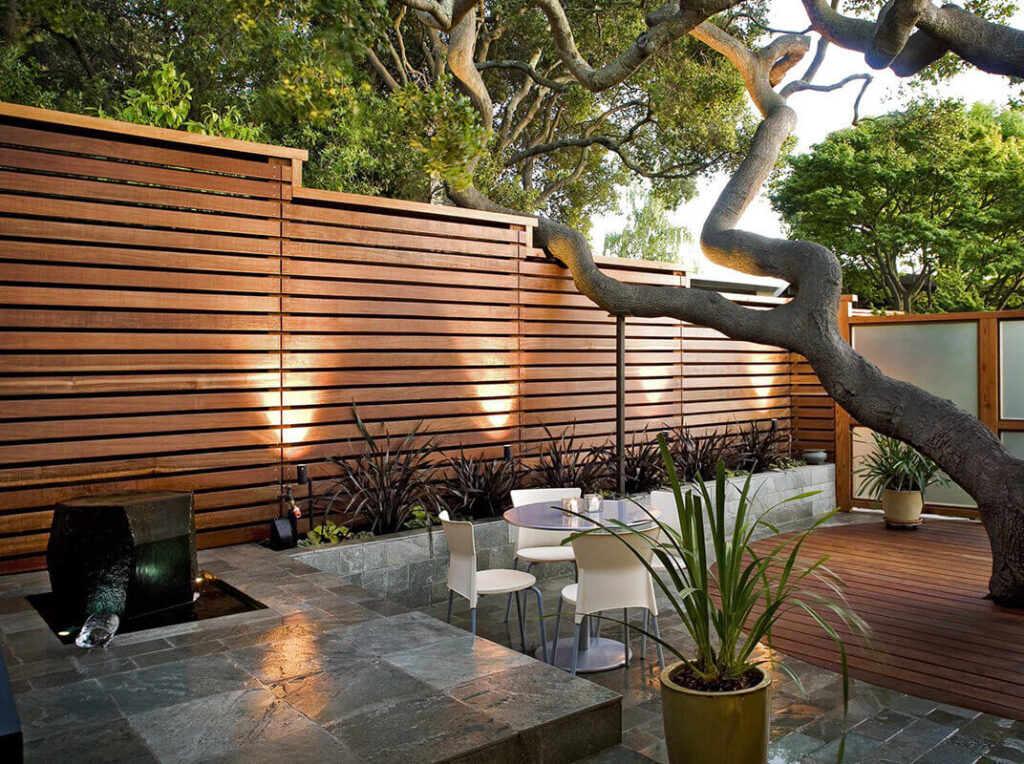
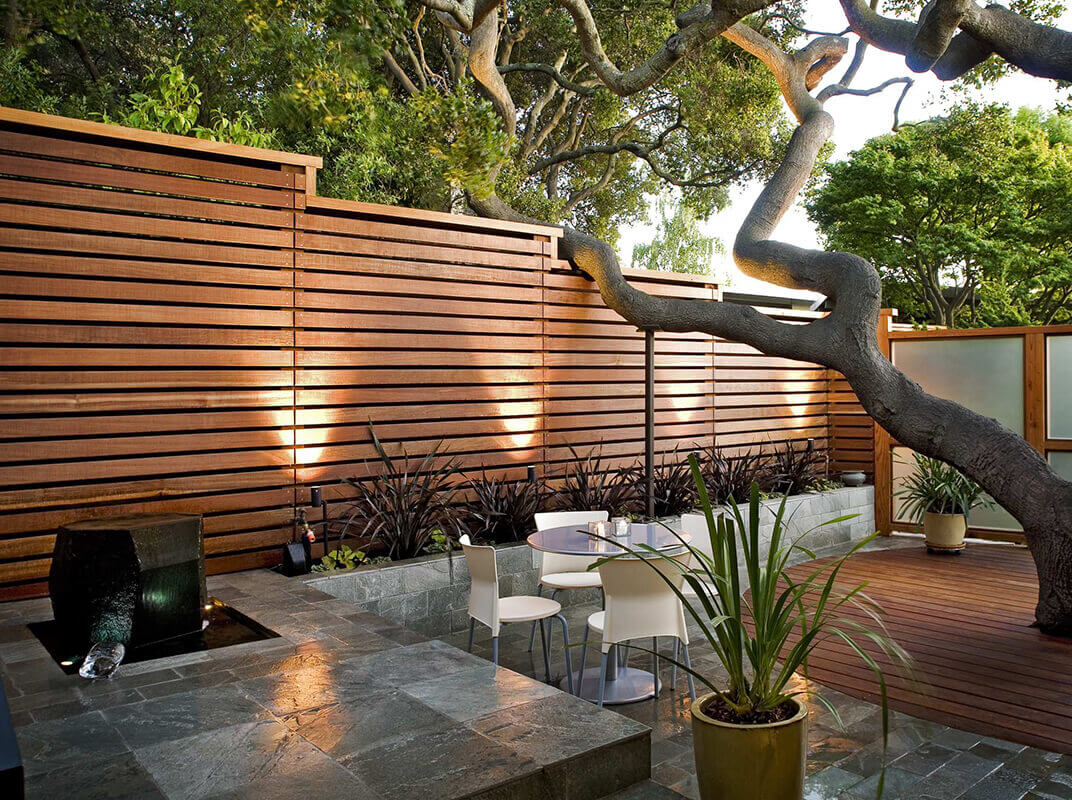
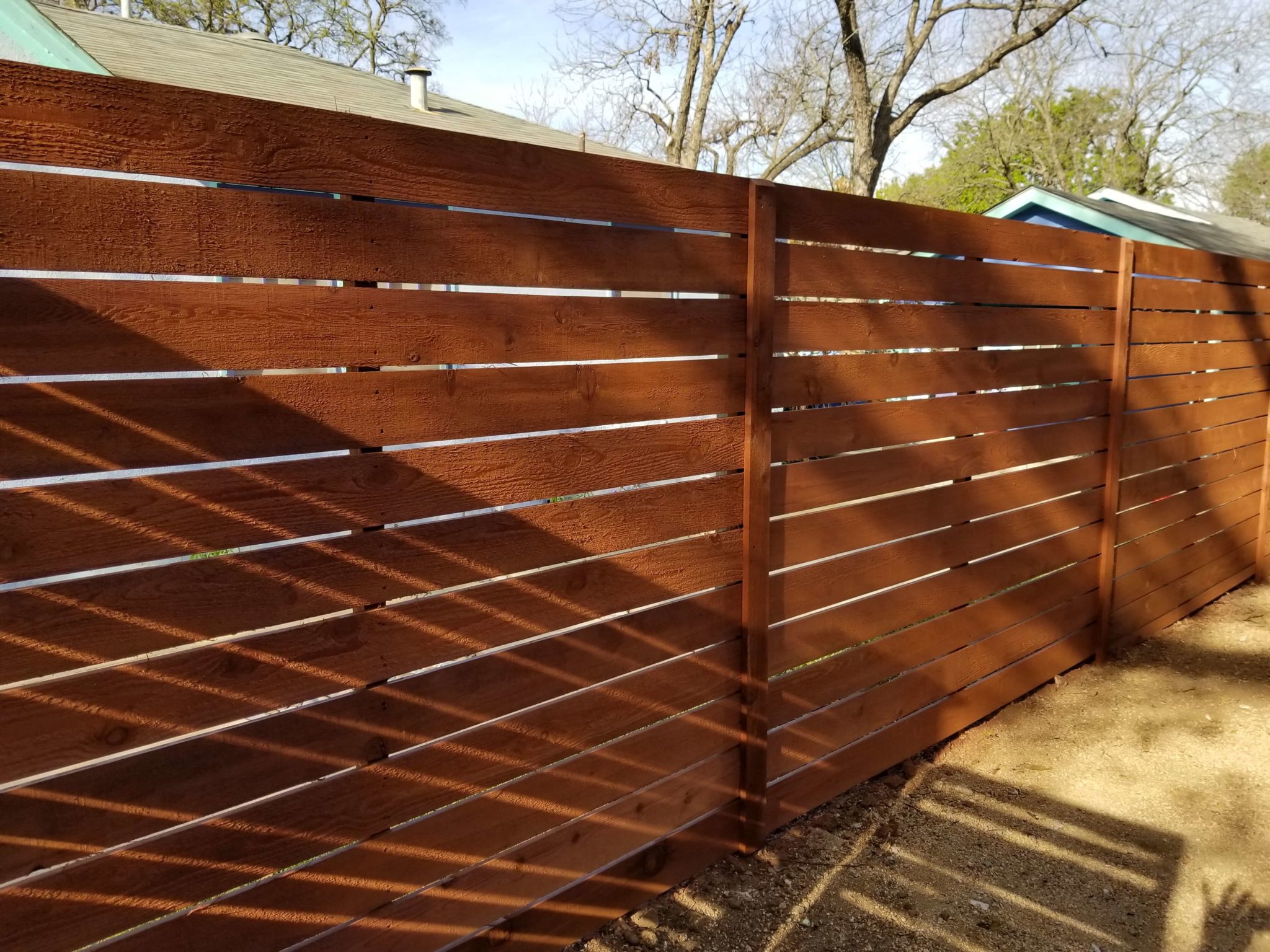
A horizontal slat cedar fence exemplifies minimalist design through its clean, linear arrangement. The slats are evenly spaced to provide a sleek appearance, while cedar’s warm tones add natural charm. This type of fence is ideal for urban homes where both privacy and contemporary style are essential.
Beyond aesthetics, cedar offers durability against weather conditions, reducing the need for frequent maintenance. The horizontal orientation also creates an illusion of extended space, making smaller yards appear larger.
2. Vertical Redwood Fence with Narrow Gaps
Redwood fences with narrow vertical slats emphasize height and create an elegant yet minimalist look. By reducing gaps between slats, this design provides enhanced privacy without compromising on visual sophistication. Redwood’s natural reddish tones add richness and warmth, making it an excellent choice for homes that want to stand out subtly.
Functionally, redwood is highly resistant to rot and insect damage, ensuring long-lasting performance. The vertical orientation further enhances security, as climbing over these fences is more challenging compared to horizontal designs.
3. Reclaimed Timber Minimalist Fence
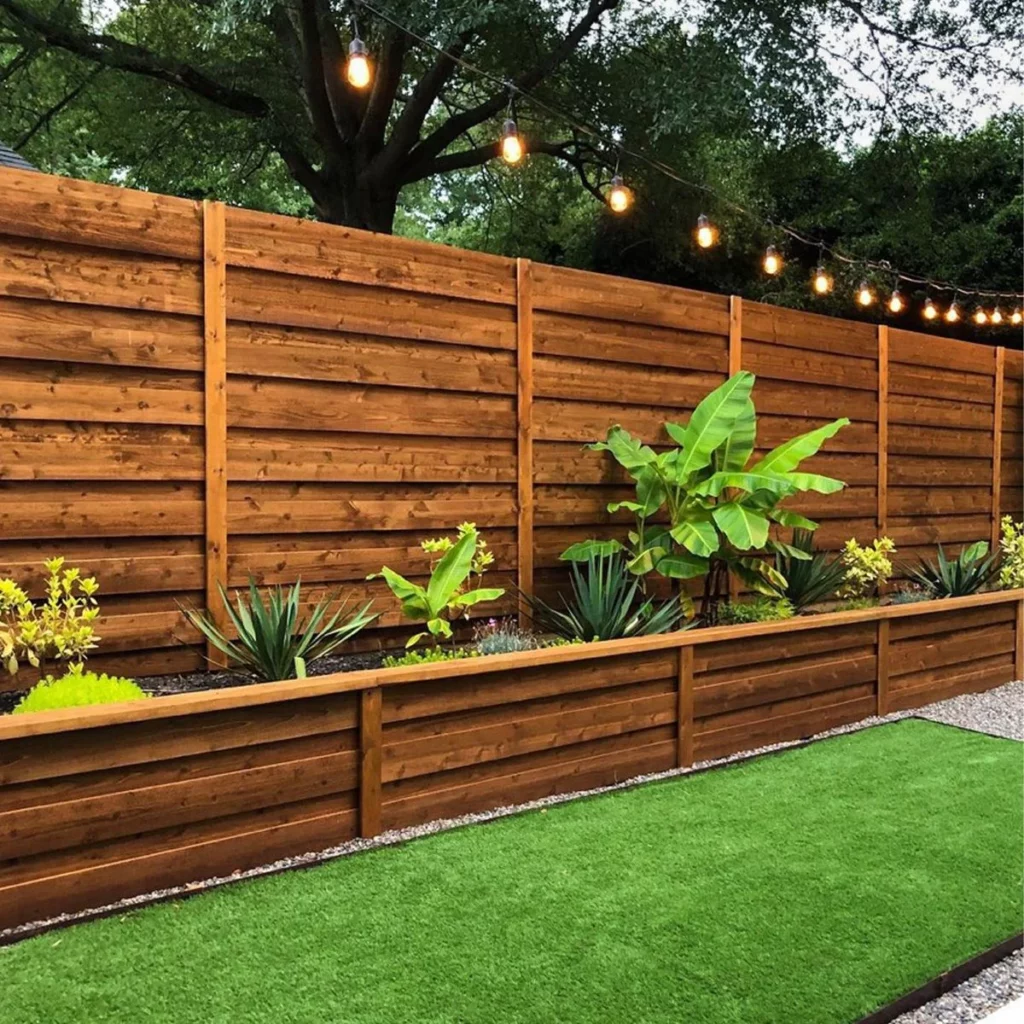
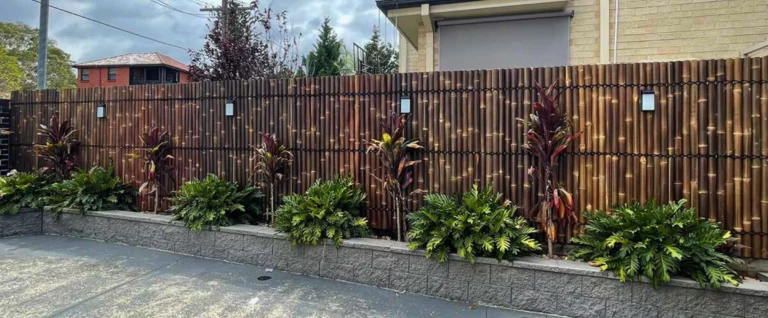
For eco-friendly homeowners, fences built from reclaimed timber embody the essence of sustainable minimalism. These fences often feature irregular textures and tones, which contribute to a natural, organic aesthetic. Despite their simplicity, reclaimed timber fences make a bold statement about environmental consciousness and intentional design.
The reclaimed wood ensures no two fences are identical, offering a unique exterior feature that complements minimalist landscaping. Additionally, the reuse of materials reduces environmental strain, aligning with broader sustainability goals.
Practical Use Cases of Minimalist Wooden Fences
Minimalist wooden fences solve several real-world challenges. For example, in densely populated urban neighborhoods, they act as a privacy shield while maintaining a clean and unobtrusive appearance. This allows residents to enjoy their outdoor spaces without feeling exposed.
In suburban areas, minimalist fences help define property lines and add visual cohesion to gardens or front yards. Their understated design allows them to blend with natural surroundings rather than overpower them, creating a harmonious outdoor atmosphere.
Minimalist fences are also useful in noise-sensitive environments. Certain designs, especially those with tightly placed wooden slats, reduce external noise, making them practical for homes near busy streets or commercial zones.
How Technology Enhances Minimalist Wooden Fence Design
Technology has brought new possibilities for wooden fence construction and maintenance. For instance, computer-aided design (CAD) allows homeowners and designers to visualize fence layouts before installation, ensuring every detail aligns with the property’s aesthetics.
Advanced wood treatment technologies also extend the lifespan of wooden fences. Pressure-treated lumber and modern sealants protect against moisture, UV damage, and pests. This minimizes maintenance requirements while ensuring the minimalist fence retains its beauty for years.
Additionally, technology enables eco-friendly innovations, such as sustainable forestry practices and efficient milling processes. These advancements allow homeowners to enjoy the benefits of minimalist wooden fences without compromising environmental responsibility.
Frequently Asked Questions
Q1. Are minimalist wooden fences durable enough for long-term use?
Yes, when built with high-quality wood such as cedar, teak, or redwood, minimalist wooden fences can last for decades. Proper sealing and maintenance further enhance durability, making them a long-term investment for property owners.
Q2. How do minimalist wooden fences differ from traditional wooden fences?
Minimalist fences prioritize simplicity, clean lines, and functionality. Unlike traditional fences that may include ornamental details, minimalist designs focus on proportion and natural beauty, aligning with modern architectural aesthetics.
Q3. Can minimalist wooden fences be eco-friendly?
Absolutely. Many homeowners opt for reclaimed wood or sustainably sourced timber to reduce environmental impact. With proper treatments, eco-friendly minimalist fences can be both stylish and durable.