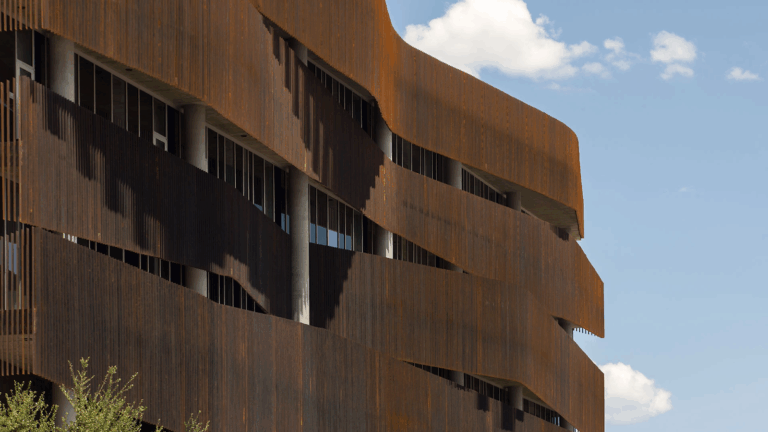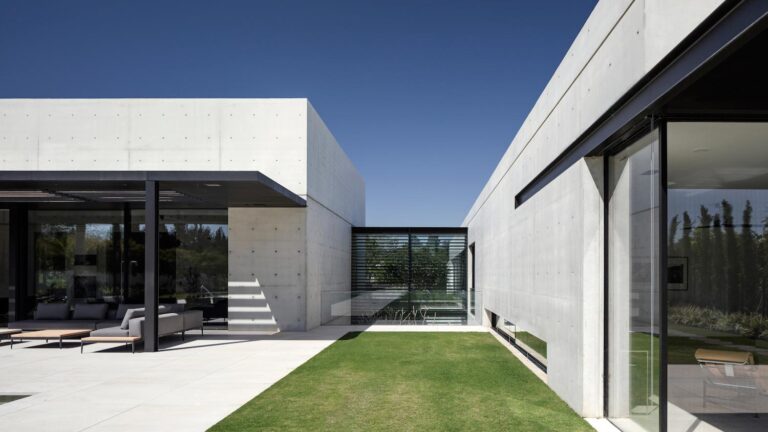
Modern Exterior Wall Panels: Designs, Benefits, and Real-World Applications
Modern architecture has evolved to prioritize not only structural strength but also aesthetics, sustainability, and efficiency. Among the most transformative elements in contemporary building design are modern exterior wall panels. These innovative panels redefine the appearance of buildings while providing practical solutions for durability, insulation, and maintenance.
From residential homes to commercial skyscrapers, wall panels have become essential for architects and homeowners alike. Their versatility, modern aesthetic appeal, and environmental advantages make them a key trend in exterior design.
Understanding Modern Exterior Wall Panels
Modern exterior wall panels are prefabricated or custom-designed cladding solutions installed on the outer walls of a building. Unlike traditional materials such as brick or stone, panels provide a cleaner, more uniform look and are engineered for performance.
They are typically manufactured from materials such as fiber cement, aluminum composites, high-pressure laminates (HPL), natural wood, and stone veneer. These panels often include weather-resistant coatings, insulation layers, and fireproofing to ensure long-term safety and durability.
Modern exterior wall panels can be applied to both new constructions and renovations, allowing outdated buildings to achieve a fresh, modern appearance without major structural overhauls.
Materials Commonly Used in Modern Wall Panels
Several materials are used in designing wall panels, each offering unique aesthetics and performance benefits:
-
Fiber Cement Panels – Known for strength, resistance to rot, and excellent fireproofing qualities.
-
Aluminum Composite Panels (ACP) – Lightweight, durable, and available in a wide range of finishes.
-
High-Pressure Laminates (HPL) – Offer bold design patterns and UV resistance.
-
Wood Veneer Panels – Provide a natural, warm aesthetic while being treated for durability.
-
Stone or Brick Veneer Panels – Combine the classic appeal of masonry with easier installation.
The selection of material depends on the project’s design goals, climate conditions, and performance requirements.
Benefits of Using Modern Exterior Wall Panels
Modern exterior wall panels bring together design innovation and functional advantages. Unlike traditional facades, these panels improve both the aesthetics and efficiency of buildings.
-
Aesthetic Versatility
Panels are available in countless textures, colors, and finishes, allowing architects to achieve sleek, minimalist, or even rustic looks. -
Durability and Protection
Many panels are weather-resistant, capable of withstanding rain, UV rays, and temperature fluctuations without fading or cracking. -
Energy Efficiency
Insulated wall panels can significantly improve a building’s thermal performance, reducing heating and cooling costs. -
Low Maintenance
Modern panels often require minimal upkeep, saving time and costs in the long run. -
Sustainability
Many manufacturers now produce eco-friendly wall panels made from recycled or renewable materials.
Real-World Examples of Modern Exterior Wall Panels
1. Fiber Cement Panels in Residential Homes
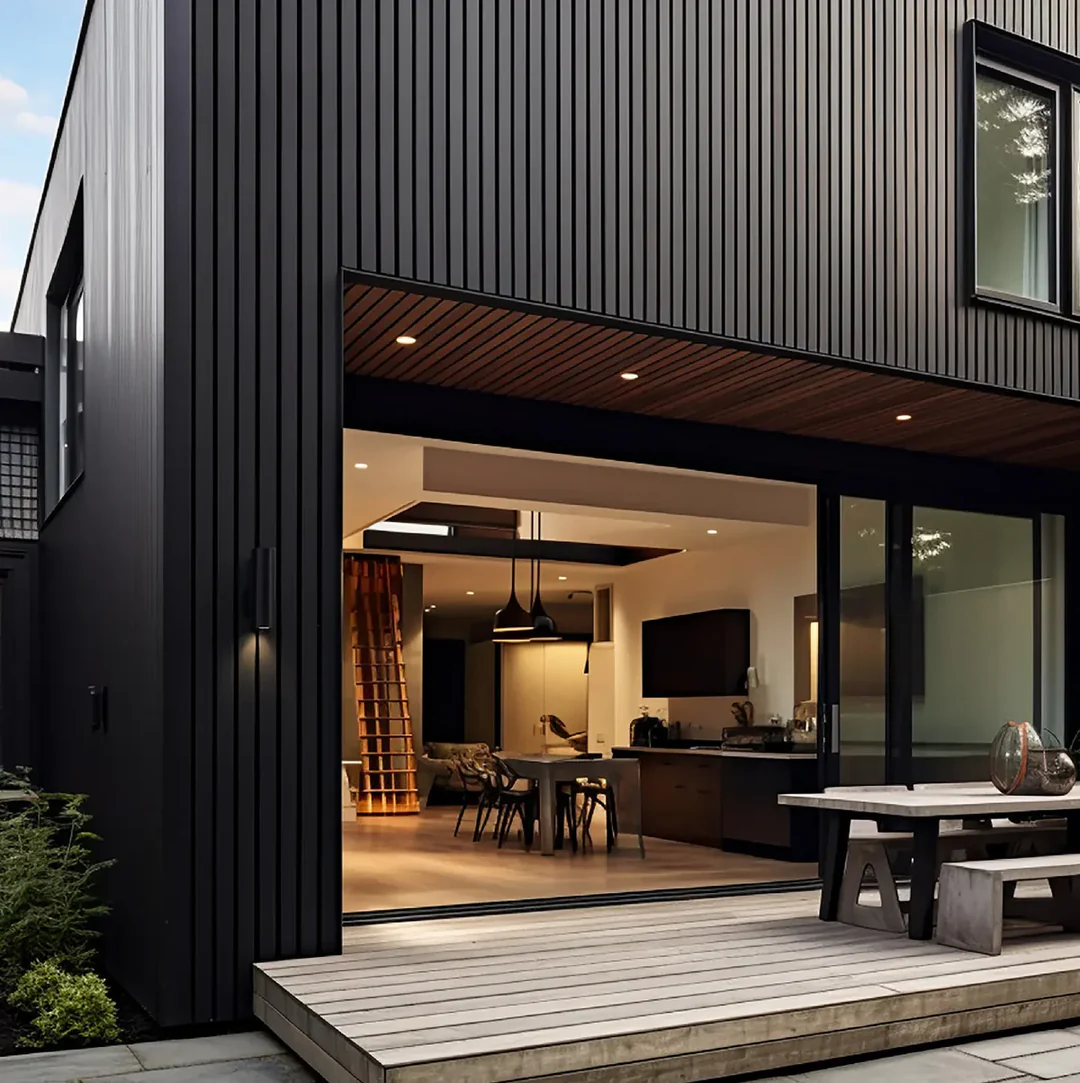
Fiber cement panels are increasingly popular in residential designs. They mimic the look of natural wood or stone while offering superior durability and fire resistance. For homeowners in regions prone to extreme weather, fiber cement provides a reliable and stylish solution.
These panels also maintain their appearance for years with minimal maintenance, making them cost-effective for long-term use.
2. Aluminum Composite Panels in Commercial Buildings
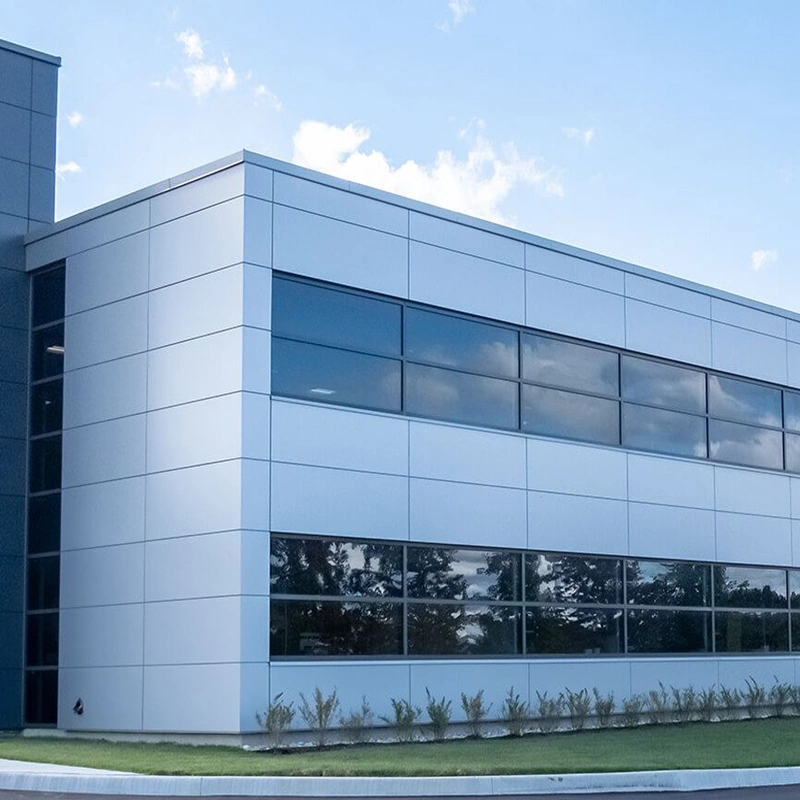
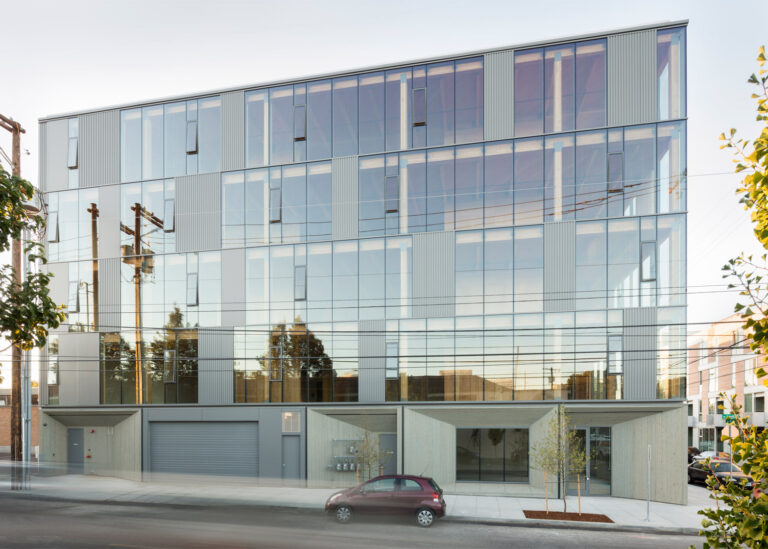
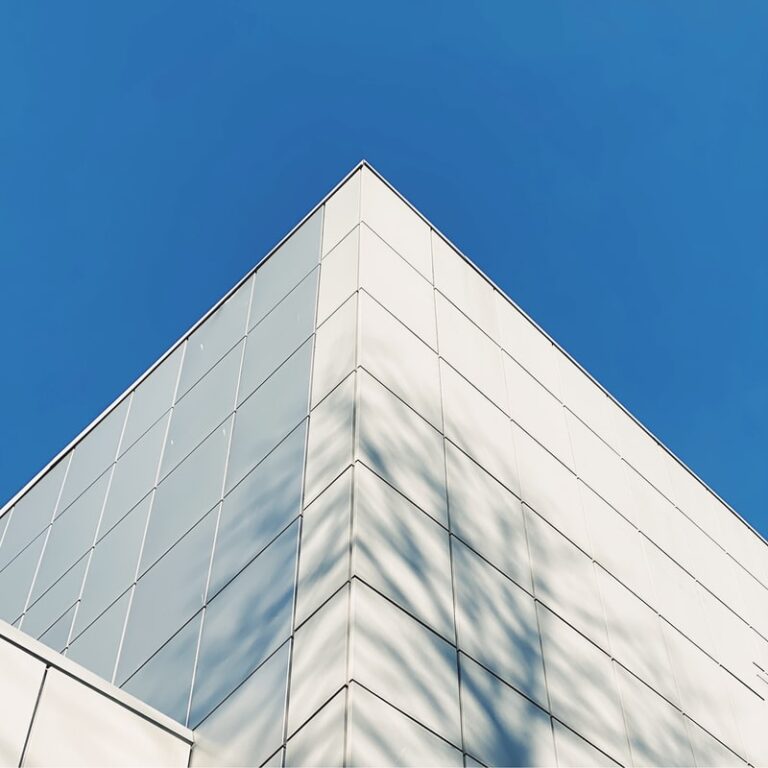
Aluminum composite panels (ACP) dominate the commercial construction market due to their lightweight structure and design flexibility. They can be used to create futuristic facades with metallic or mirrored finishes.
Office buildings, shopping malls, and airports often feature ACPs because they are easy to install, weather-resistant, and offer unmatched modern appeal.
3. Wood Veneer Panels for Sustainable Architecture
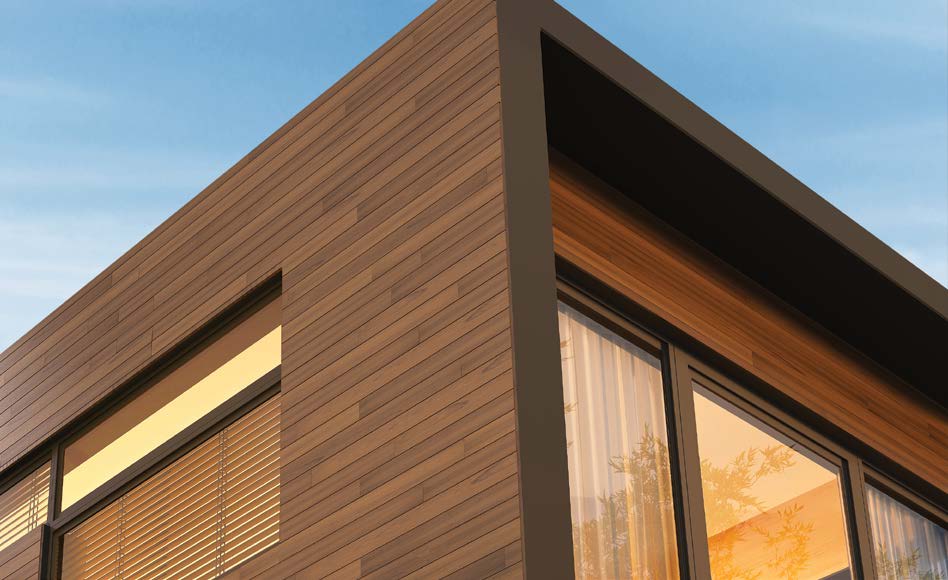
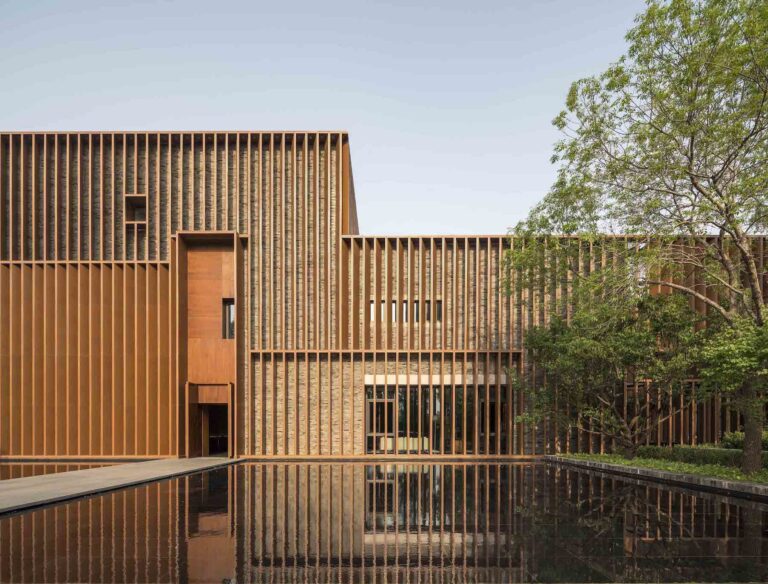
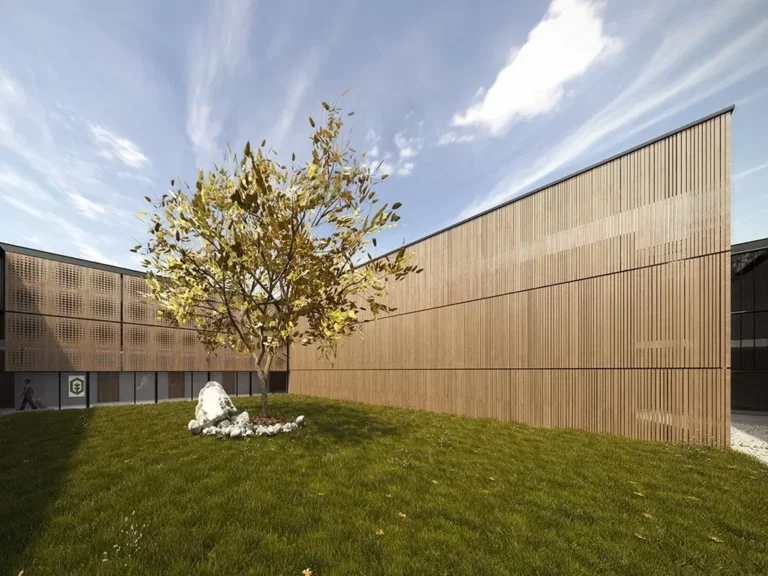
Wood veneer panels bring warmth and organic character to modern architecture. Unlike untreated wood, these panels are engineered with protective finishes to resist insects, moisture, and decay.
They are often used in sustainable projects, blending natural aesthetics with eco-friendly design. Schools, cultural centers, and modern homes use wood veneer panels to achieve a balance between functionality and nature.
4. High-Pressure Laminates (HPL) in Public Buildings
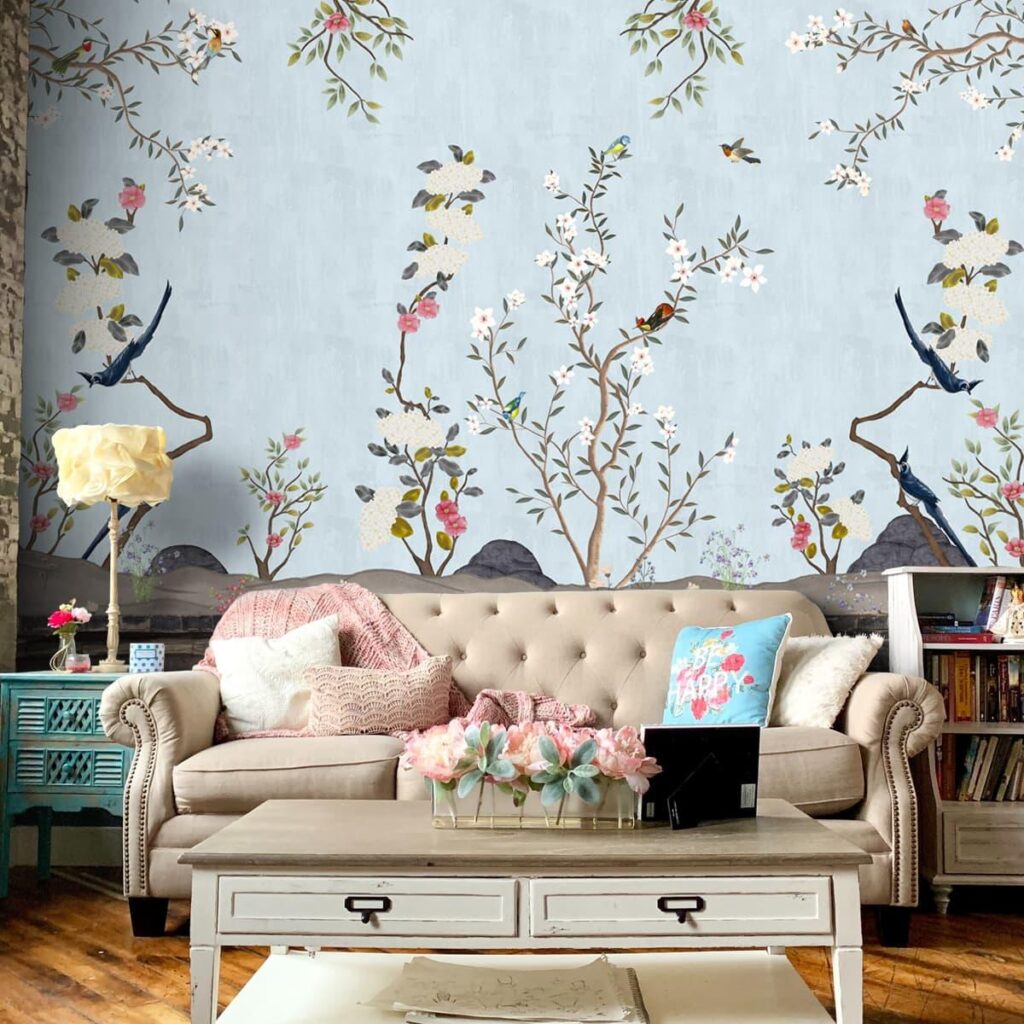
HPL panels are chosen for projects where creativity and bold expression are priorities. Available in vibrant patterns and textures, HPL panels transform ordinary buildings into eye-catching landmarks.
They are also durable and resistant to scratches, making them suitable for schools, hospitals, and cultural buildings where high foot traffic demands resilience.
Practical Use Cases of Modern Exterior Wall Panels
Modern wall panels are not just decorative; they solve critical design and performance challenges:
-
Urban Heat Reduction: Panels with insulation layers help reduce heat transfer, improving energy efficiency in hot climates.
-
Noise Reduction: Certain panel types provide acoustic insulation, ideal for buildings in noisy urban areas.
-
Weather Protection: Durable materials ensure long-term protection against rain, wind, and UV exposure.
Why Modern Exterior Wall Panels Are Useful in Real Life
In practice, these panels are changing the way we think about buildings. A homeowner can drastically improve curb appeal without tearing down walls. Businesses can brand themselves through custom-designed facades. Cities can promote sustainability by adopting energy-efficient cladding materials.
The combination of aesthetic transformation, long-term durability, and eco-friendly performance makes wall panels one of the most practical investments in modern construction.
Frequently Asked Questions (FAQ)
1. Are modern exterior wall panels expensive?
Modern wall panels vary in cost depending on material and design. While some premium options like natural stone veneer may be costly, materials like fiber cement and aluminum composites are affordable long-term solutions due to durability and low maintenance.
2. Can exterior wall panels be installed on existing buildings?
Yes. One of the advantages of wall panels is their adaptability for renovations. They can be mounted over existing walls, instantly modernizing the look of older buildings.
3. Do exterior wall panels require regular maintenance?
Occasional cleaning is usually enough to maintain their appearance. Materials like ACP and fiber cement are especially resistant to weathering and fading.