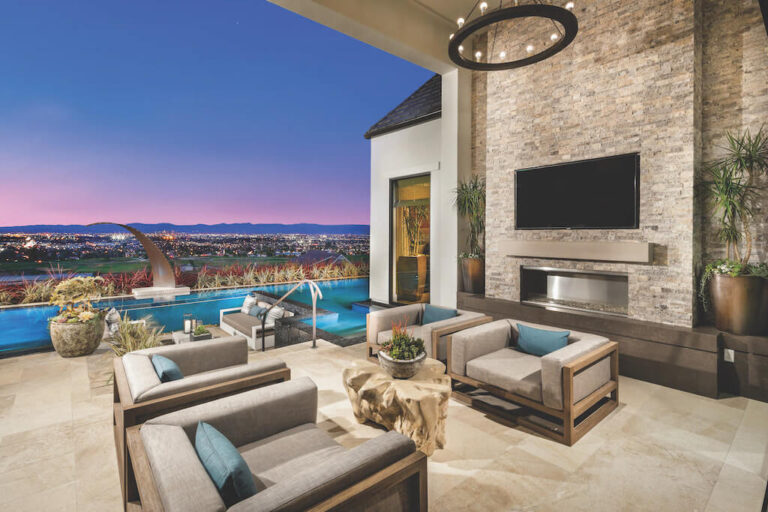
Modern Garden Design: Creating Stylish and Functional Outdoor Spaces
Modern garden design is more than just planting greenery; it’s an architectural approach that combines aesthetics, sustainability, and functionality. This design style focuses on clean lines, balanced proportions, and seamless integration with modern living. It often incorporates hardscaping, innovative plant selections, and sustainable practices to create outdoor spaces that are both beautiful and practical.
Unlike traditional gardens that emphasize lush ornamentation, modern garden design takes inspiration from minimalism and contemporary architecture. It uses fewer elements but with a stronger impact, relying on carefully chosen plants, geometric layouts, and features like water installations or outdoor lighting to bring sophistication into outdoor spaces.
Core Principles of Modern Garden Design
Minimalism and Simplicity
Modern garden design thrives on simplicity. Instead of cluttering the space with excessive plants or ornaments, it emphasizes a clean, minimalistic look. Neutral tones, geometric patterns, and open layouts allow the garden to breathe, making it feel more spacious and calm.
This simplicity does not mean lack of creativity. Every detail, from plant choice to stone placement, is intentional. The goal is to create harmony where every element complements the other.
Blending Nature and Architecture
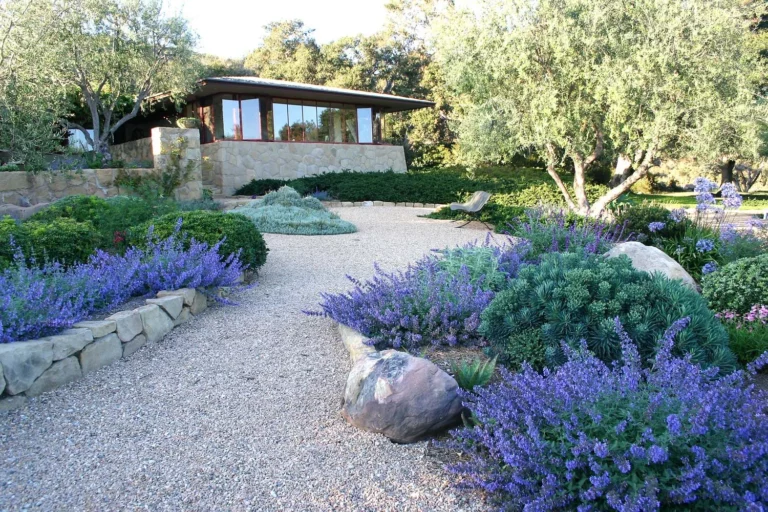
Modern gardens seamlessly integrate with the home’s architecture. For example, large glass windows might overlook a structured garden, creating a continuity between indoor and outdoor living spaces. Materials such as concrete, wood, and steel often accompany natural elements like grass and shrubs to strike a balance between human-made and organic.
By merging structural design with greenery, these gardens create a cohesive environment that enhances the property’s overall appeal.
Benefits of Modern Garden Design
Enhancing Outdoor Functionality
A modern garden is designed not just for beauty but also for functionality. Homeowners can create outdoor dining areas, lounge spaces, or meditation corners within their gardens. The layout is intentionally structured to encourage relaxation, socialization, and everyday use.
This means a modern garden doesn’t just beautify your home but also adds practical extensions to living spaces, making it more versatile and enjoyable.
Promoting Sustainability
Sustainability is a key advantage of modern garden design. Using drought-resistant plants, energy-efficient lighting, and eco-friendly materials makes these gardens more environmentally responsible. By minimizing water usage and maximizing natural elements, modern gardens become low-maintenance and eco-conscious outdoor spaces.
Sustainable choices, such as rainwater harvesting or solar-powered lighting, align the design with today’s environmental values while reducing long-term costs.
Real-World Examples of Modern Garden Design
1. Minimalist Zen Garden
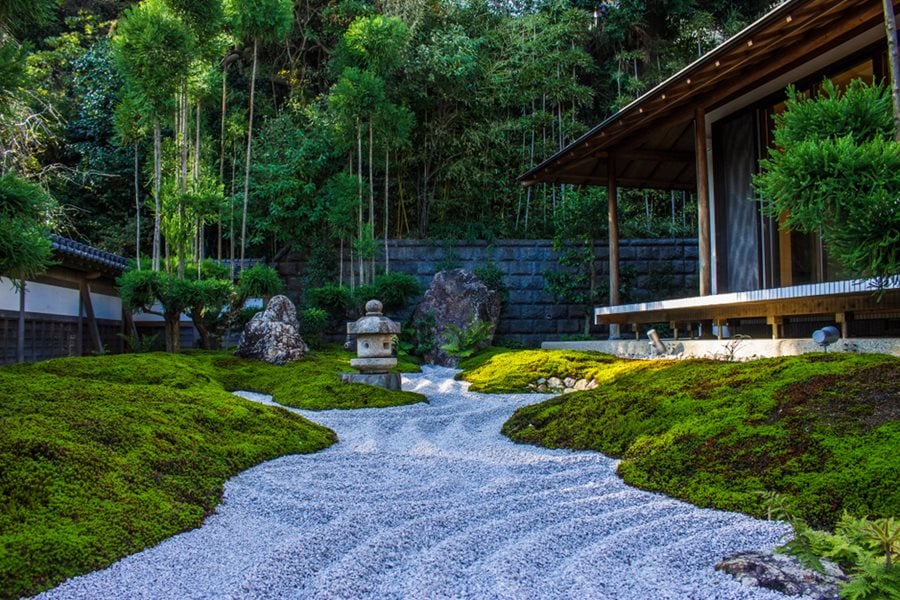
A minimalist Zen garden often features gravel, strategically placed stones, and sparse but intentional greenery. These gardens emphasize mindfulness, tranquility, and reflection. They are highly relevant for urban homeowners who want a peaceful escape within a limited space.
The deliberate use of empty spaces makes the Zen garden visually striking while maintaining its calming ambiance. Its simplicity aligns perfectly with the principles of modern garden design.
2. Rooftop Garden with Modern Features
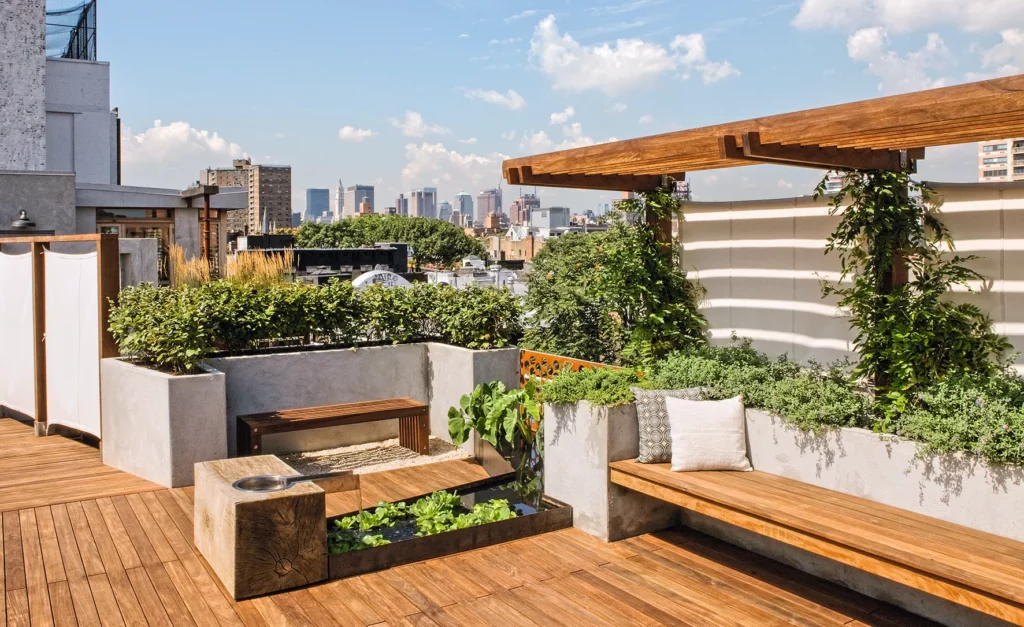
In metropolitan areas, rooftop gardens have become iconic examples of modern garden design. They maximize unused urban spaces while bringing nature closer to everyday life. Features like modular planters, wooden decks, and integrated lighting create a functional yet aesthetic rooftop retreat.
Beyond beauty, rooftop gardens provide thermal insulation, reduce heat absorption, and even improve air quality—making them valuable assets for urban sustainability.
3. Contemporary Courtyard Garden
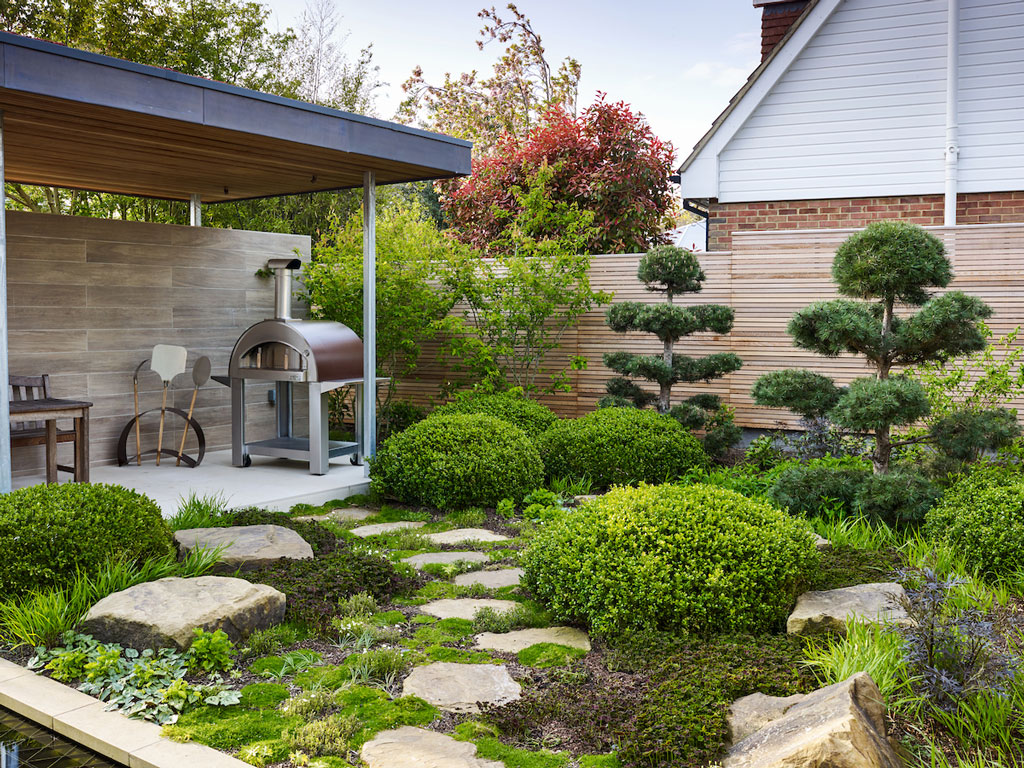
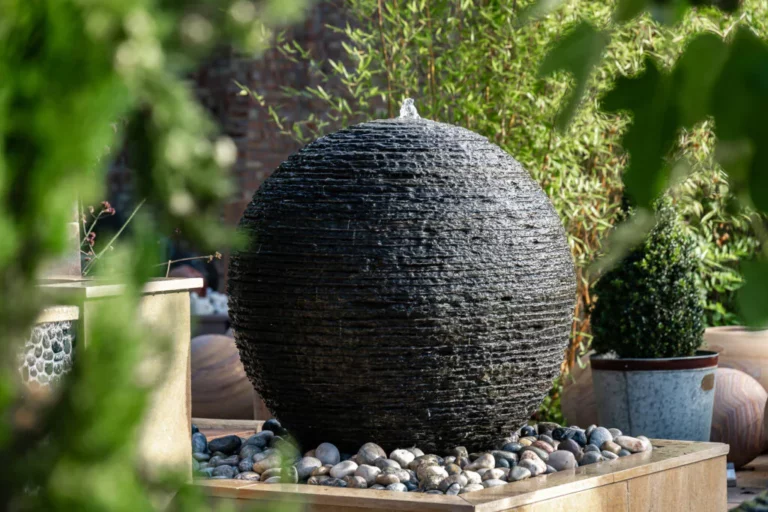
Courtyard gardens often embrace sleek materials such as concrete walls, metal accents, and minimalistic planters. They provide a private, enclosed sanctuary for relaxation or entertainment. Adding elements like water fountains, fire pits, or modern seating enhances both aesthetics and usability.
This type of modern garden highlights the principle of blending indoor and outdoor living, as the courtyard becomes an extension of the home’s central space.
4. Smart Technology-Integrated Garden

Modern gardens are increasingly integrating technology such as smart irrigation systems, automated lighting, and app-controlled features. For instance, a smart watering system can adjust irrigation based on weather forecasts, ensuring optimal plant health while saving water.
This combination of technology and design reflects the forward-thinking nature of modern gardens, where innovation meets natural beauty.
Practical Use Cases of Modern Garden Design
Solving Limited Space Challenges
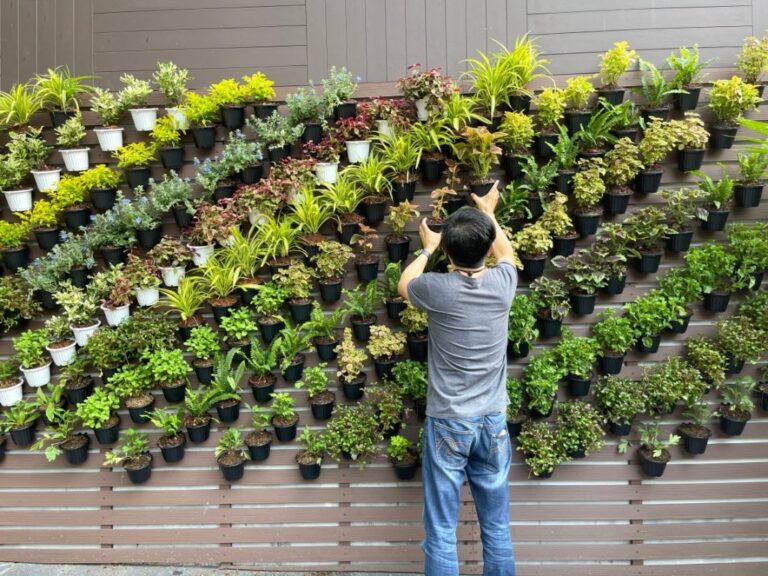
Modern garden design is ideal for homeowners with small yards or urban apartments. Vertical gardens, compact layouts, and rooftop installations make it possible to enjoy greenery even in limited spaces. By maximizing efficiency, these designs turn constraints into creative opportunities.
Enhancing Property Value
Well-designed modern gardens increase the overall appeal and value of a property. A sleek, functional outdoor space not only attracts potential buyers but also elevates the living experience for current homeowners. The investment in modern landscaping often translates into long-term financial gains.
Creating Relaxation Zones
In today’s fast-paced world, having a personal retreat at home is invaluable. Modern gardens provide tranquil areas for relaxation, yoga, or meditation. The use of natural sounds, flowing water, and clean spaces helps reduce stress and improve overall well-being.
Supporting Urban Sustainability
For cities struggling with pollution and heat islands, modern gardens—especially rooftop and vertical types—play a significant role. They absorb carbon dioxide, improve air quality, and regulate temperatures, making them useful tools for sustainable urban living.
Frequently Asked Questions
Q1. What makes a garden design “modern”?
A modern garden design is characterized by clean lines, minimalism, structured layouts, and integration with architecture. It uses fewer but more impactful elements, focusing on functionality, sustainability, and contemporary aesthetics.
Q2. Can modern garden design work in small spaces?
Yes, modern garden design is highly adaptable to small areas. Vertical gardens, rooftop gardens, and compact layouts allow homeowners to create stylish outdoor spaces without needing a large yard.
Q3. How does technology enhance modern garden design?
Technology improves efficiency and convenience in modern gardens. Smart irrigation systems save water, automated lighting enhances ambiance, and app-based controls allow homeowners to maintain their gardens effortlessly.