Modern House Facade Design: Innovative Ideas and Practical Insights
Modern house facade design is more than just the exterior look of a building—it reflects lifestyle, architecture, and technological progress. In today’s world, facades are not limited to decorative purposes; they serve functional roles such as energy efficiency, durability, and integration with smart technologies. From sleek minimalism to bold contemporary finishes, the facade sets the tone for the entire home.
Introduction to Modern House Facade Design
A well-designed facade not only enhances the aesthetic appeal but also influences property value and sustainability. Architects now integrate cutting-edge materials, lighting, and eco-friendly systems into their designs, ensuring both form and function. This article explores the key aspects of modern house facades, benefits, real-world examples, and their applications in everyday living.
Key Elements of Modern Facade Design
Materials that Define Contemporary Styles
The choice of materials plays a central role in shaping modern facades. Concrete, glass, steel, and natural stone are widely used to achieve minimalist aesthetics and durability. Wooden cladding and composite panels bring warmth and texture, balancing sleek geometry with natural elements. The mix-and-match of materials creates depth and character, making each house unique.
Furthermore, modern innovations like fiber cement boards and weather-resistant coatings enhance performance. These solutions offer longevity while requiring less maintenance. By combining traditional and modern materials, architects can create facades that are visually striking yet highly functional.
Lighting and Smart Features
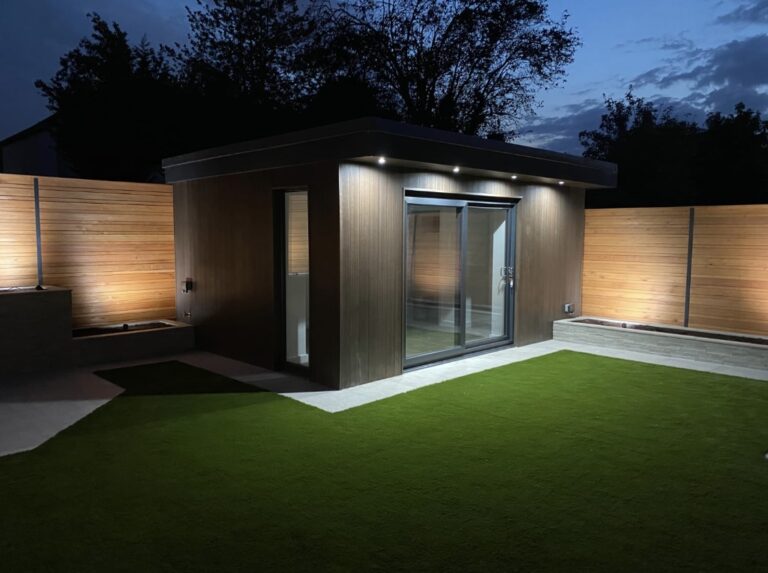
Lighting transforms the facade, especially when integrated with smart technology. LED strips, recessed lighting, and motion-activated spotlights highlight architectural features while enhancing security. Smart lighting systems, controlled via apps or voice commands, allow homeowners to adjust brightness and ambiance according to different times of the day.
In addition, solar-integrated lighting solutions are becoming popular, combining energy efficiency with modern aesthetics. When paired with architectural elements, lighting adds depth and dynamic character to the exterior, turning homes into works of art after sunset.
Benefits of Modern Facade Design
Energy Efficiency and Sustainability
Modern house facades often incorporate energy-saving solutions such as insulated panels, double-glazed windows, and green wall systems. These features reduce heating and cooling costs, making the house more sustainable. Sustainable facades not only save money but also minimize carbon footprint, aligning with global eco-conscious trends.
Living walls, rooftop gardens, and solar-integrated facades further contribute to eco-friendly housing. Beyond aesthetics, they create healthier living environments by improving air quality and natural insulation.
Enhanced Property Value and Aesthetic Appeal
A well-designed facade directly influences property value. Prospective buyers often form their first impression based on curb appeal, making facade design a crucial investment. Homes with innovative facades stand out in neighborhoods, reflecting modernity, sophistication, and architectural taste.
Additionally, facades designed with symmetry, proportion, and material harmony can elevate even modest homes. Beyond resale benefits, these exteriors provide homeowners with pride of ownership and long-lasting beauty.
Real-World Examples of Modern House Facade Design
1. Glass-Dominant Facade with Minimalist Structure
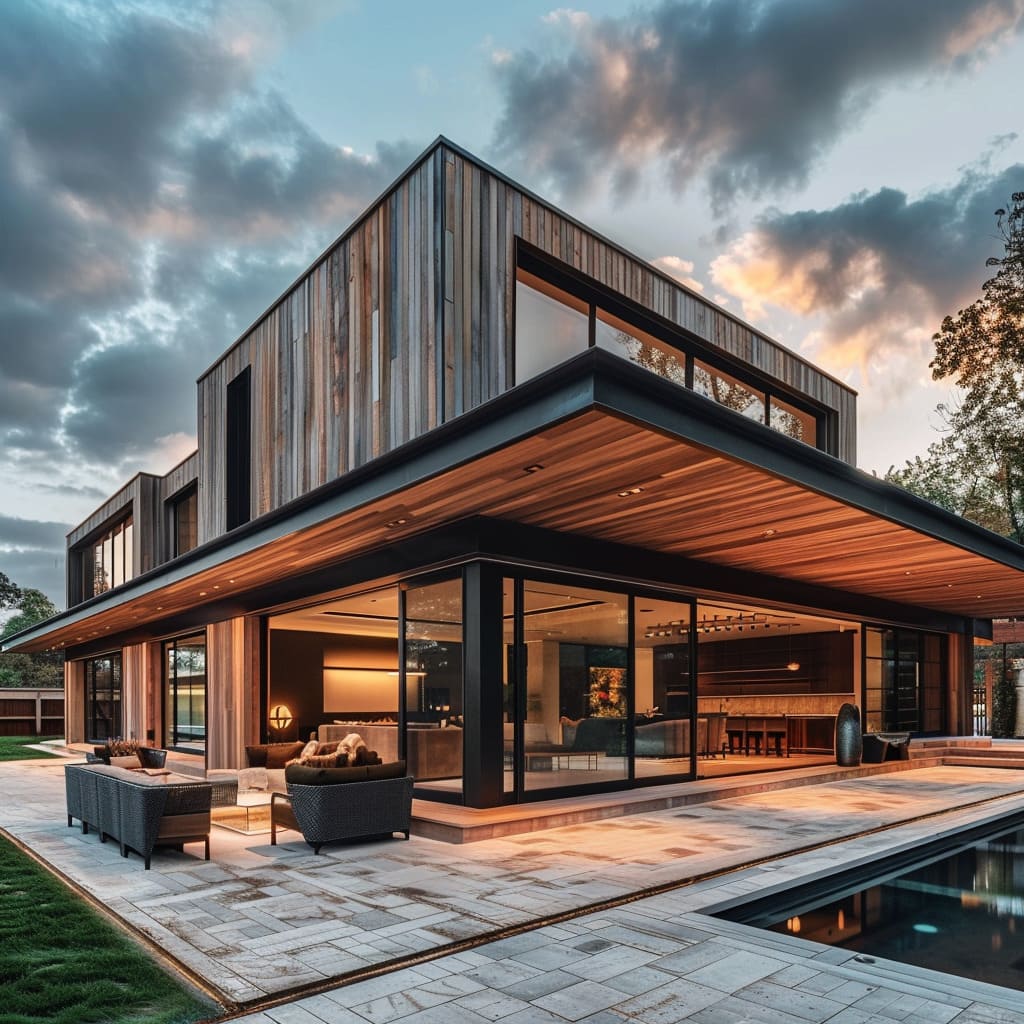
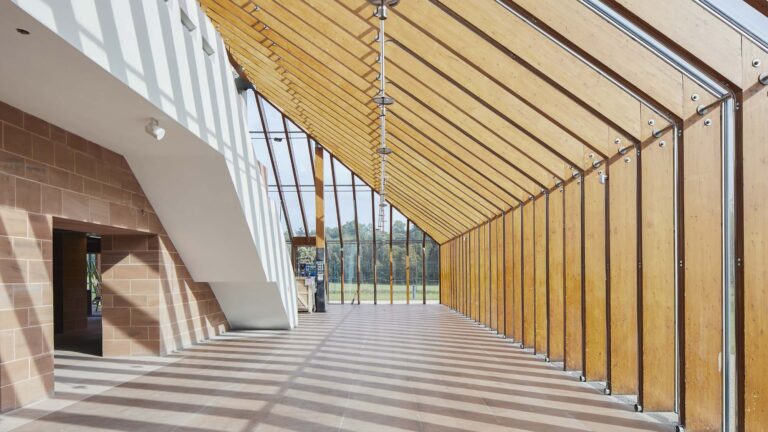
Glass-dominant facades are a hallmark of modern design. They create seamless indoor-outdoor connections, allowing natural light to flood interiors. Homes with expansive glass panels often integrate sliding or folding systems, blurring boundaries between garden and living space.
The transparency not only enhances aesthetics but also improves mood and well-being. However, advanced glazing solutions are crucial for energy efficiency and privacy. Double or triple-glazing minimizes heat transfer while maintaining visual appeal.
2. Timber-Clad Facades with Natural Warmth
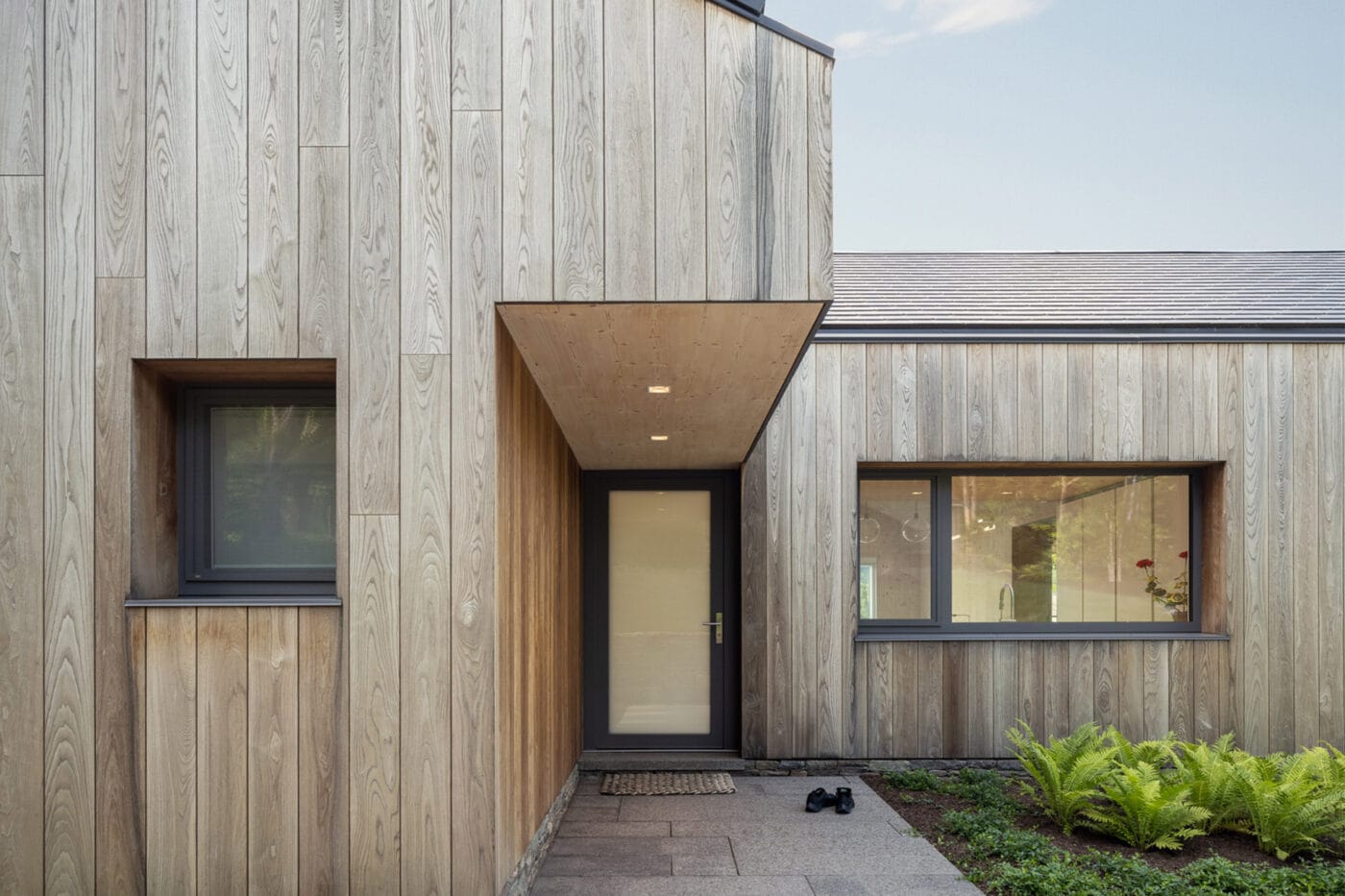
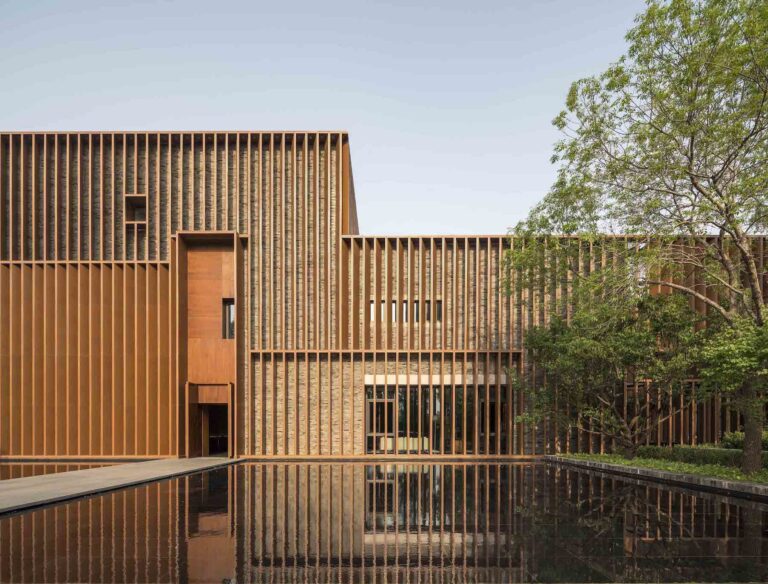
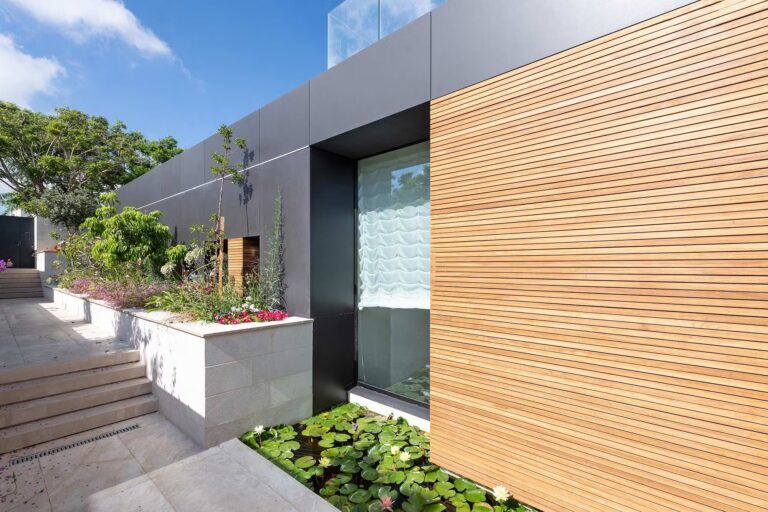
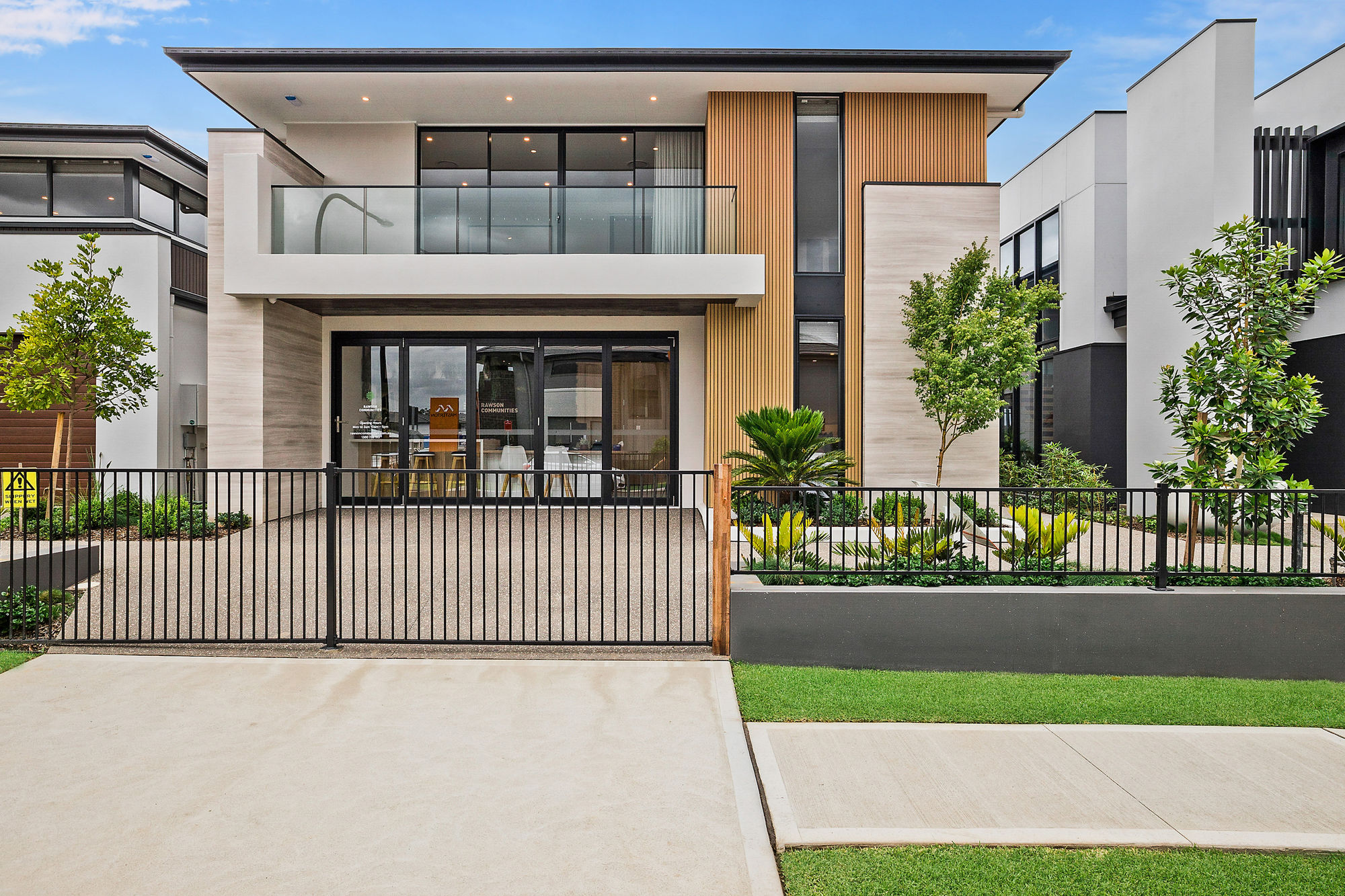
Wooden cladding remains a timeless choice for modern homes. Timber, whether natural or composite, introduces warmth and character to geometric designs. It contrasts beautifully with concrete or metal, creating a balance between nature and modernity.
Many architects prefer sustainable, treated timber that resists weathering while retaining its organic charm. Timber-clad facades also support insulation, contributing to thermal performance. Their visual impact makes them highly popular in suburban and eco-friendly housing projects.
3. Concrete and Stone Combination for Bold Statements
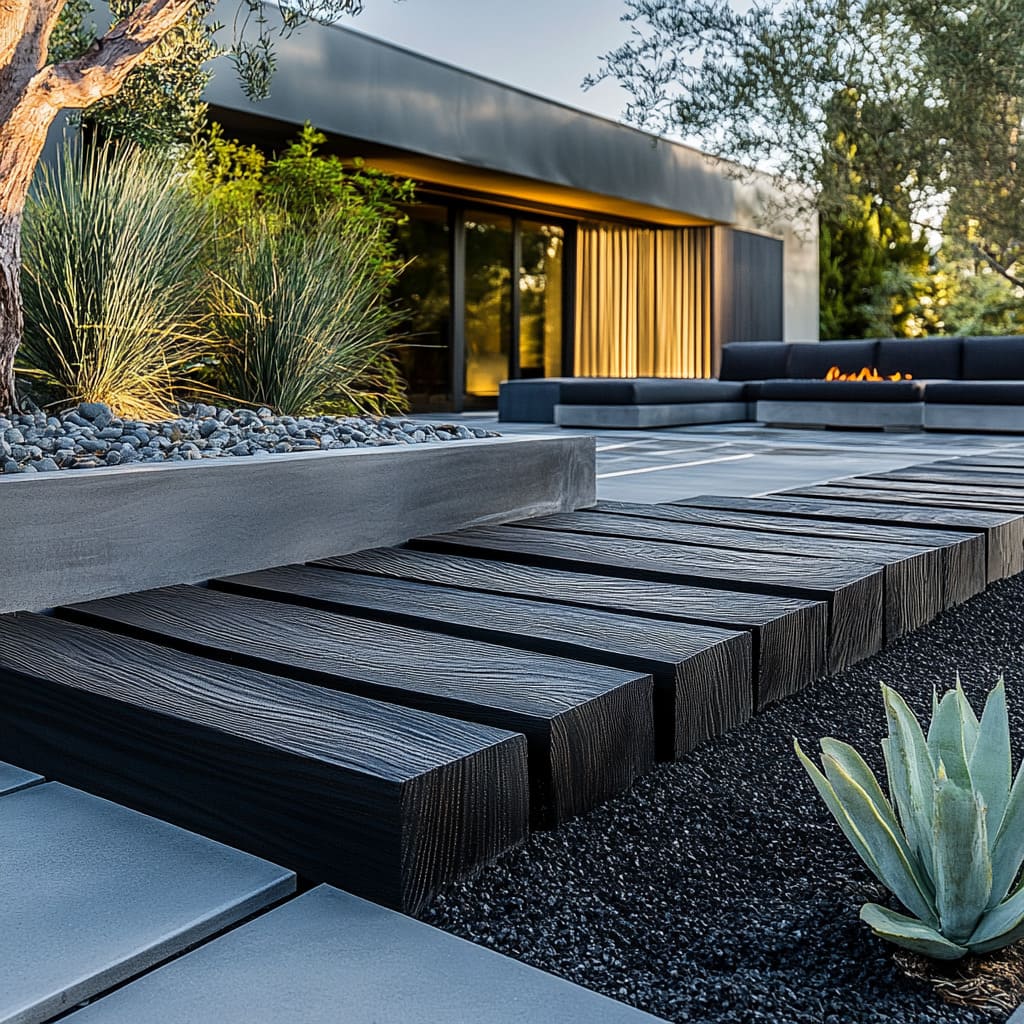
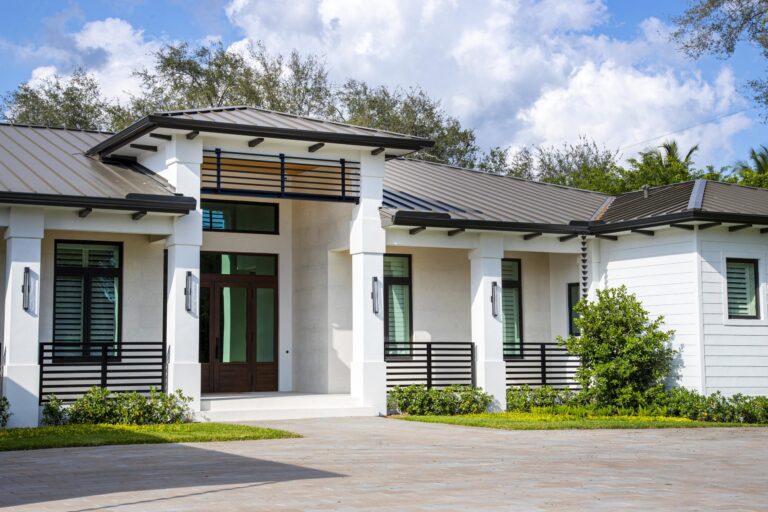
A blend of concrete and stone creates striking facades with both durability and elegance. These materials highlight strength, permanence, and a connection to natural landscapes. While concrete provides minimalism and smoothness, stone adds texture and depth.
This design approach is particularly suitable for homes in natural or rugged settings. With proper finishing, such facades resist extreme weather while offering timeless sophistication. Architects often complement them with expansive windows or steel detailing for a balanced look.
4. Metal Facades with Industrial Influence
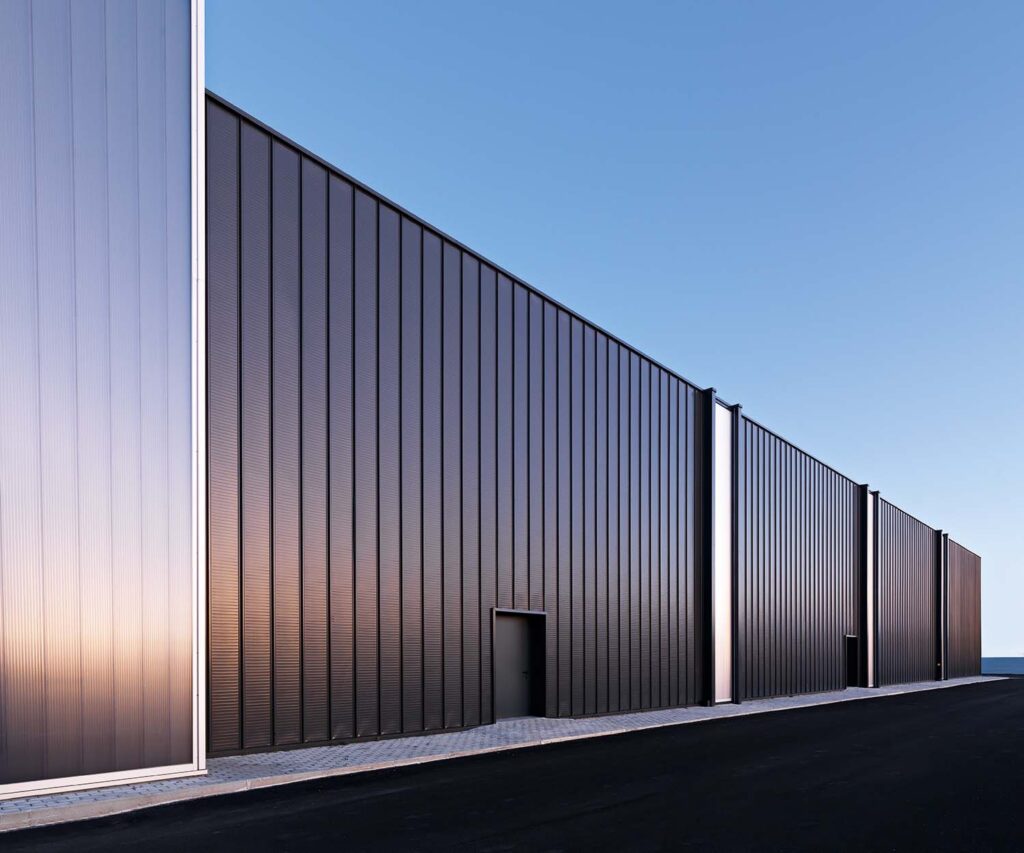
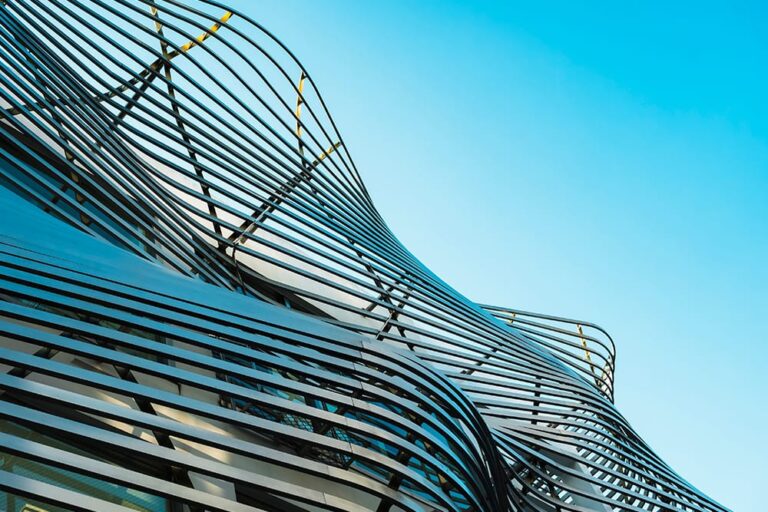
Metal cladding, such as aluminum or steel, reflects the growing trend of industrial-modern architecture. These facades are sleek, durable, and highly customizable. They can be designed in matte, glossy, or textured finishes to suit different styles.
Metal facades also support integration with smart features such as solar panels and automated shading systems. They are especially effective in urban environments, where durability and contemporary aesthetics are essential.
Use Cases of Modern House Facade Design
Solving Privacy Concerns
Modern facades often integrate innovative solutions to address privacy without compromising aesthetics. For example, louvered panels, frosted glass, and strategic placement of openings allow natural light while shielding interiors from direct view. This approach is particularly useful in densely populated neighborhoods.
Homeowners can achieve an open, airy design while maintaining security and seclusion. Smart shading systems also adapt to sunlight and occupancy, providing flexible privacy options.
Addressing Climate and Weather Challenges
Facades play a critical role in climate responsiveness. In hot regions, facades with shading devices, reflective coatings, and vertical gardens reduce heat absorption. In colder climates, insulated materials and airtight glazing help retain warmth.
By designing facades with climate adaptability, architects ensure year-round comfort and energy savings. These solutions protect homes from harsh weather while reducing reliance on artificial heating or cooling.
Enhancing Lifestyle and Comfort
Beyond technical aspects, facades influence everyday living. Natural light, ventilation, and views are all shaped by exterior design. A well-designed facade promotes healthier lifestyles by connecting occupants with nature while maintaining modern comfort.
This lifestyle-centric approach makes modern house facades more than just architectural features—they become integral to well-being and daily experiences.
Frequently Asked Questions
Q1. What makes a facade “modern” in design?
A modern facade typically features clean lines, minimal ornamentation, and the use of innovative materials like glass, metal, or concrete. It often incorporates smart features, sustainable practices, and lighting elements that enhance aesthetics and performance.
Q2. How do modern facades improve energy efficiency?
Modern facades use insulated materials, double-glazed windows, and eco-friendly systems such as vertical gardens or solar panels. These reduce energy consumption for heating and cooling while contributing to sustainability.
Q3. Can traditional elements be combined with modern facades?
Yes, many modern facades integrate traditional materials such as stone or wood with contemporary geometry and technology. This fusion creates timeless designs that balance heritage with innovation.