Modern Landscaping Design: In-Depth Guide to Contemporary Outdoor Spaces
Modern landscaping design is about blending functionality, simplicity, and aesthetics to create outdoor spaces that feel both relaxing and practical. Unlike traditional gardens that often emphasize lushness and ornamental detail, modern landscaping focuses on clean lines, structured forms, and the intentional use of natural and architectural elements.
This approach not only enhances the beauty of outdoor environments but also makes them more livable, sustainable, and efficient. With the rise of urban living and the growing interest in sustainable design, modern landscaping has become a cornerstone of contemporary home and commercial property improvements.
Core Principles of Modern Landscaping Design
At the heart of modern landscaping design lies minimalism, functionality, and balance between built and natural elements.
-
Simplicity: Clean, uncluttered layouts with well-defined plant beds, geometric paving, and straightforward pathways.
-
Integration with Architecture: Outdoor spaces that complement the style and architecture of the home.
-
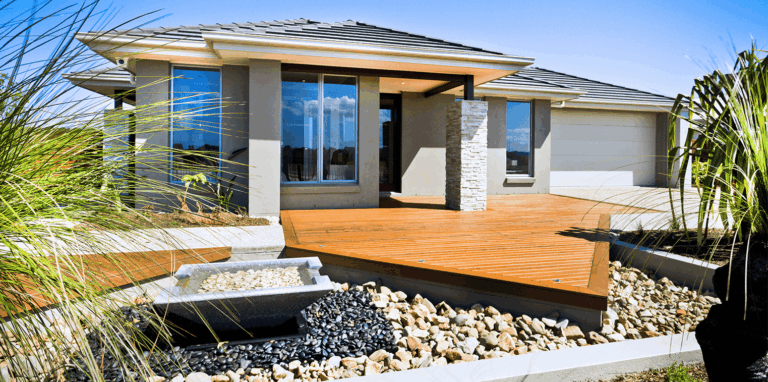
Focus on Materials: Stone, concrete, wood, and steel are frequently combined with greenery to achieve harmony.
-
Sustainability: Use of native plants, drought-tolerant species, and water-efficient irrigation.
This design philosophy is not about reducing nature, but about creating spaces where every element has a purpose and visual impact.
Benefits of Using Modern Landscaping Design
Modern landscaping is not only about aesthetics. It offers a variety of practical advantages that enhance lifestyle, property value, and environmental impact.
Improved Functionality
Outdoor spaces designed with a modern approach prioritize usability. From open patios for gatherings to structured garden areas for relaxation, the design ensures that every corner of the landscape serves a meaningful purpose.
Increased Property Value
A well-executed modern landscape significantly boosts curb appeal and can increase real estate value. Buyers and visitors alike are drawn to clean, functional, and contemporary outdoor environments.
Sustainability and Efficiency
By using sustainable materials, water-saving plants, and smart irrigation systems, modern landscaping reduces maintenance needs while lowering environmental impact. It also aligns with eco-conscious living, making outdoor spaces more resilient.
Real-World Examples of Modern Landscaping Design
1. Minimalist Concrete Pathways
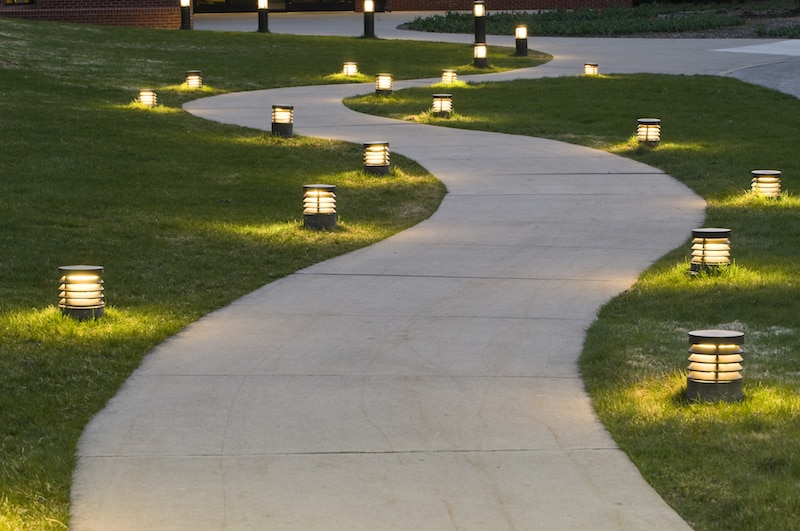
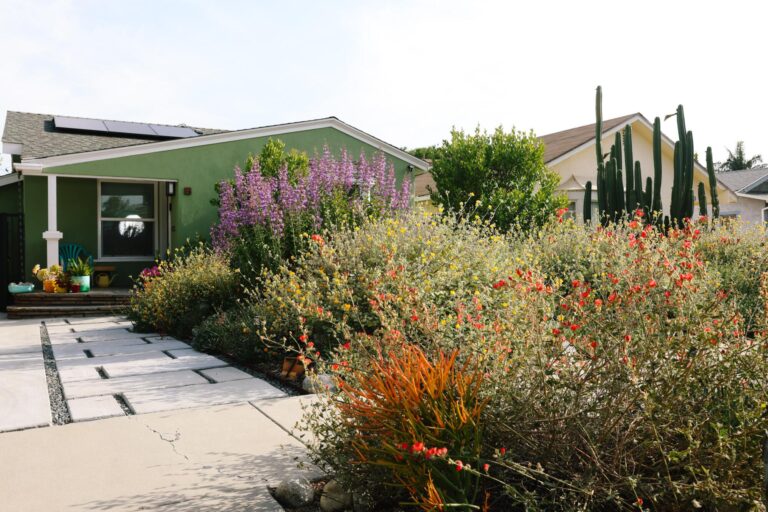
Minimalist concrete pathways are a staple of modern landscaping design. These paths often use large concrete slabs or stepping stones arranged in geometric patterns, creating a sense of order and direction in the landscape.
Beyond aesthetics, they serve practical purposes, guiding foot traffic while maintaining a clean and uncluttered visual appeal. Combined with gravel or drought-tolerant plants, concrete pathways provide a low-maintenance solution perfect for urban or suburban homes.
2. Modern Outdoor Lighting Systems
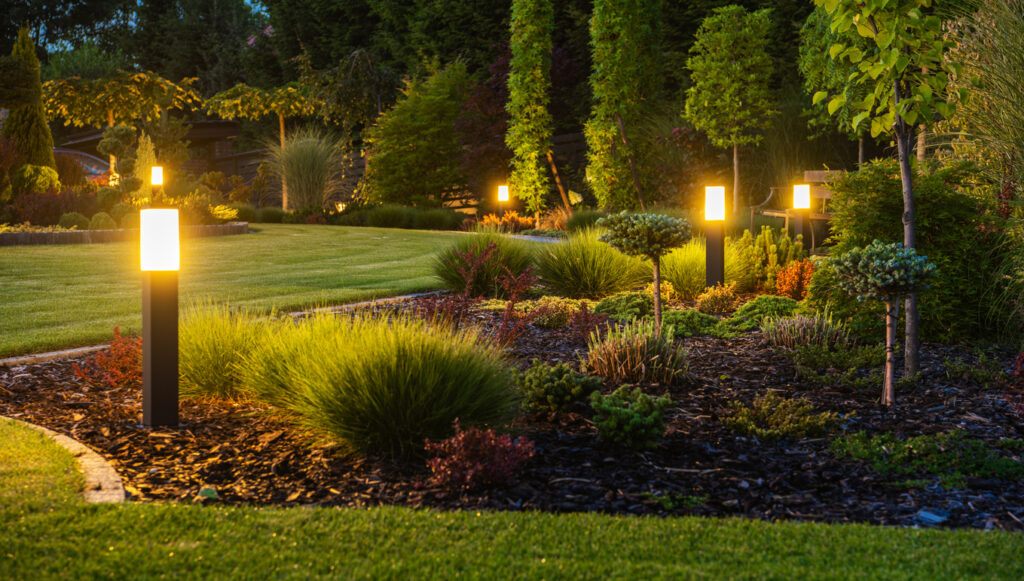
Outdoor lighting is a crucial component of modern landscaping. LED lighting strips, recessed step lights, and solar-powered fixtures not only highlight pathways and plants but also create ambiance after sunset.
This design feature balances safety with beauty, ensuring the outdoor environment remains functional at night while highlighting architectural and natural features. Smart lighting technology also allows for energy efficiency and remote control.
3. Vertical Gardens and Green Walls
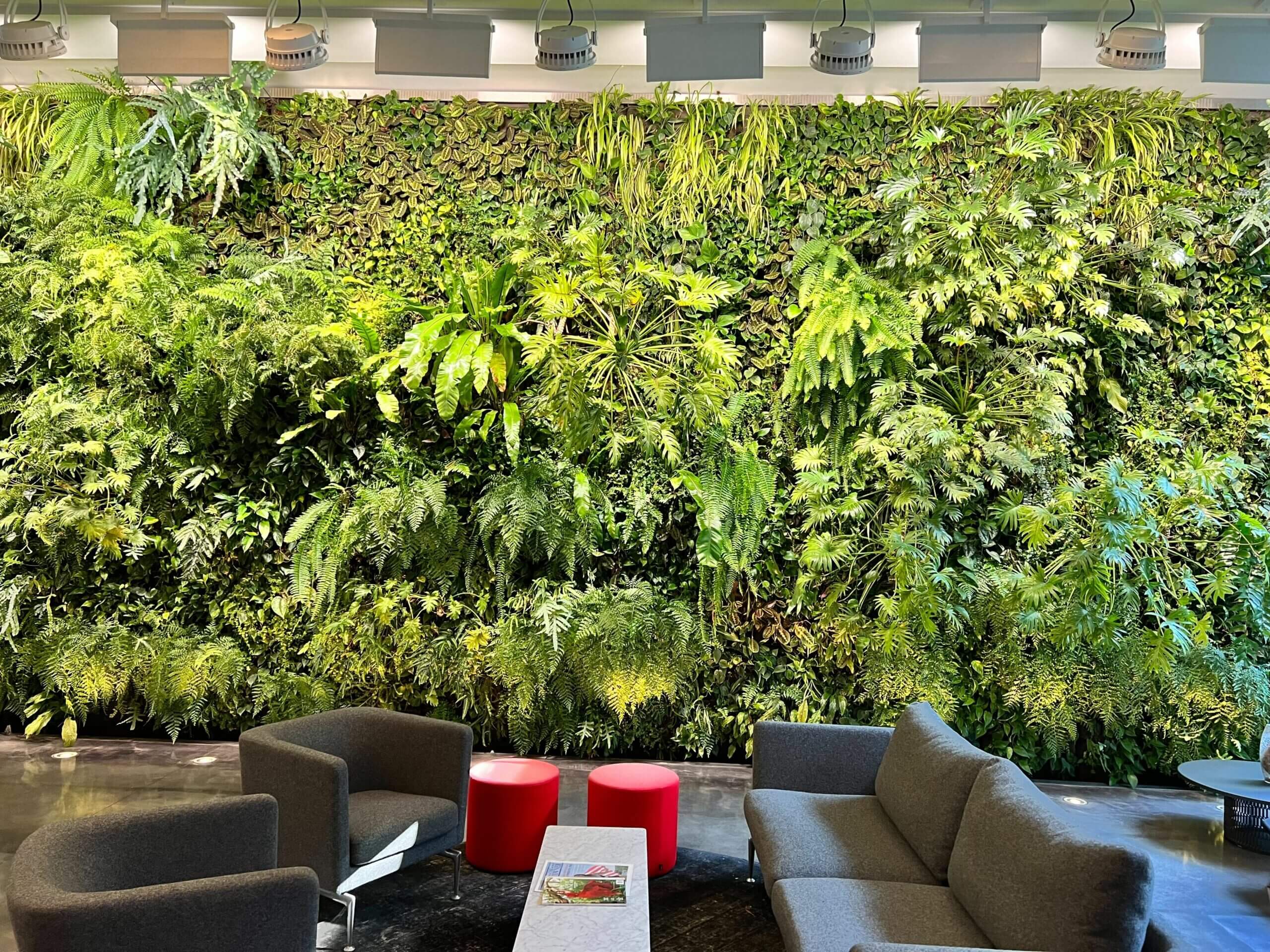
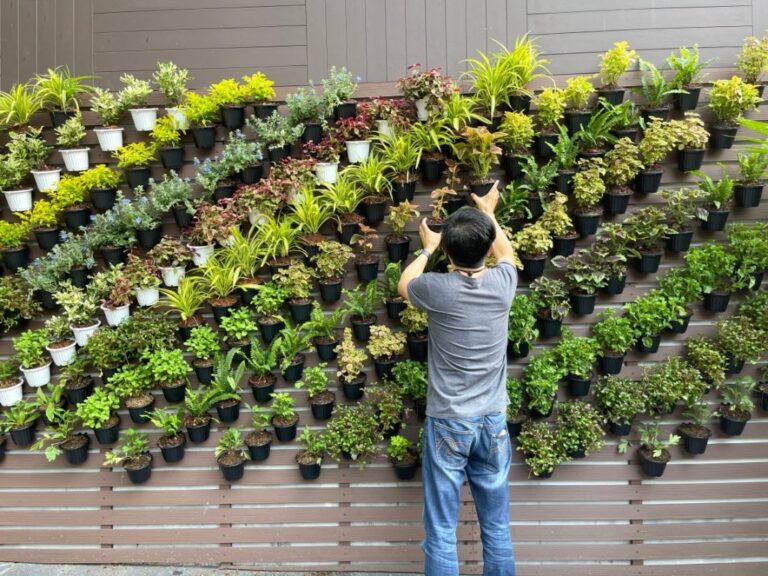
Vertical gardens have become increasingly popular in modern landscaping. They transform otherwise unused walls into lush green surfaces, combining beauty with sustainability.
These installations are especially useful in urban areas with limited outdoor space, providing greenery, improved air quality, and natural insulation for buildings. Vertical gardens blend nature into architectural elements, making them a perfect example of modern landscaping integration.
4. Water Features with Contemporary Design
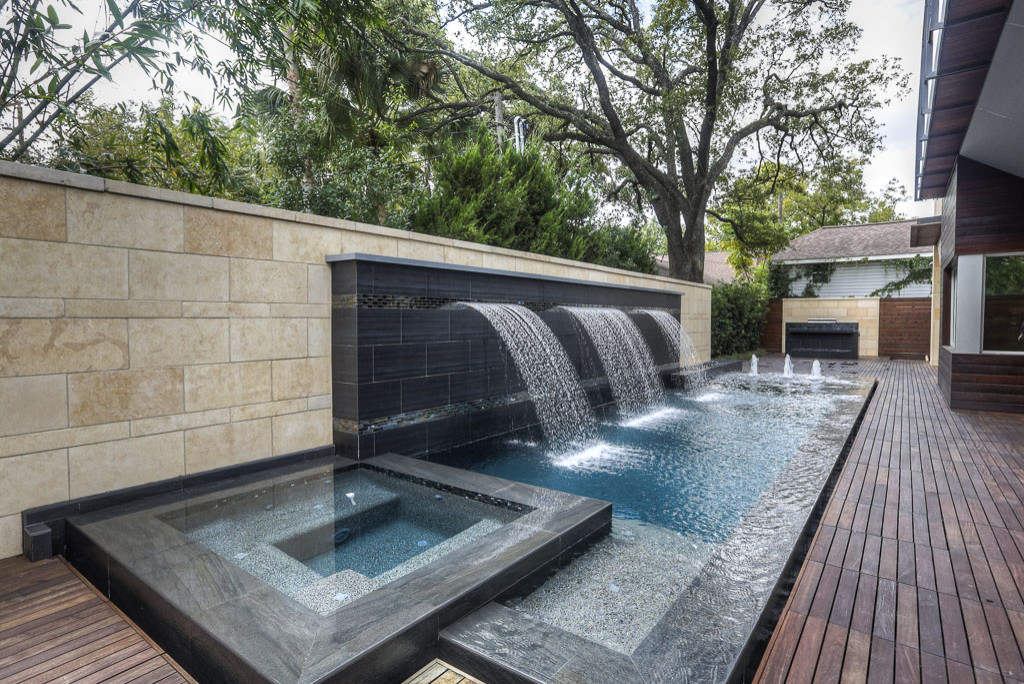
Modern landscaping often incorporates water features such as sleek fountains, reflecting pools, or minimalist waterfalls. Unlike traditional ornate fountains, these designs emphasize simplicity, clean lines, and calm reflections.
They provide a sense of tranquility while enhancing the sensory experience of the outdoor space. With efficient pumps and recirculation systems, they also offer sustainability and low water usage.
Use Cases of Modern Landscaping Design
Urban Homes with Limited Space
Modern landscaping solves the challenge of maximizing small spaces by using vertical gardens, compact patios, and functional pathways. This allows city homeowners to enjoy a green, livable outdoor area without requiring large yards.
Eco-Friendly Residential Landscapes
With the integration of drought-resistant plants and smart irrigation, modern landscaping provides a sustainable way to enjoy greenery while conserving resources. This is especially relevant in regions prone to water shortages.
Commercial Properties and Public Spaces
Modern landscaping design extends beyond homes to commercial buildings, office complexes, and public areas. It creates welcoming outdoor environments that blend functionality with aesthetics, leaving lasting impressions on clients and visitors.
Relaxation and Wellness Spaces
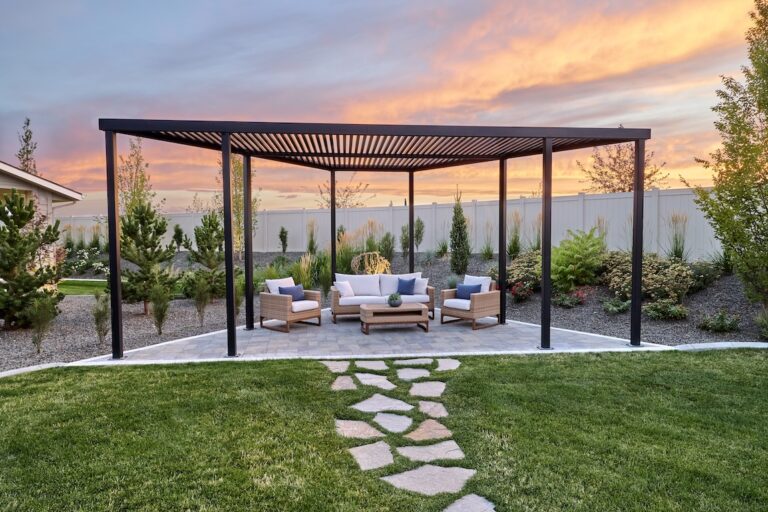
Outdoor areas designed with minimalist principles, water features, and curated greenery promote relaxation and well-being. These spaces can serve as private retreats or meditation areas, adding value to daily life.
How Technology Enhances Modern Landscaping Design
Technology has transformed landscaping into a more efficient and interactive experience.
-
Smart Irrigation Systems: These systems monitor soil moisture and weather conditions to optimize watering schedules, conserving water while keeping plants healthy.
-
Automated Lighting: Smart lighting solutions allow homeowners to adjust brightness, color, and timing through mobile apps, creating customizable atmospheres.
-
Landscape Design Software: Digital tools allow designers and homeowners to visualize projects before implementation, ensuring accuracy and reducing costs.
By combining design with technology, modern landscaping becomes more adaptable, sustainable, and visually impressive.
Frequently Asked Questions
Q1. What makes modern landscaping design different from traditional landscaping?
Modern landscaping emphasizes simplicity, clean lines, and integration with architecture, whereas traditional landscaping often focuses on lush plantings, curves, and ornate details.
Q2. Can modern landscaping work in small outdoor spaces?
Yes, modern landscaping is ideal for small spaces. Through vertical gardens, compact patios, and functional layouts, even limited outdoor areas can be transformed into stylish, livable spaces.
Q3. Is modern landscaping expensive to maintain?
Not necessarily. By using native plants, drought-tolerant species, and smart technology like automated irrigation, modern landscaping can actually reduce maintenance costs compared to traditional gardens.