Natural Wood Facade Panels: A Complete Guide to Design, Benefits, and Applications
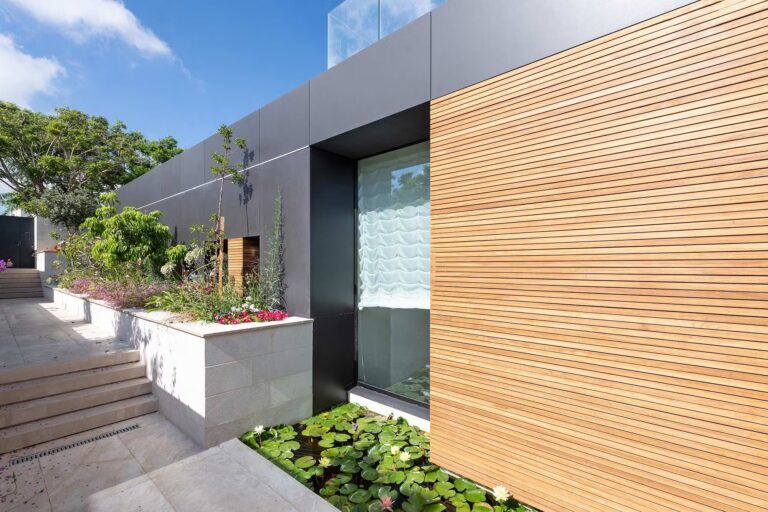
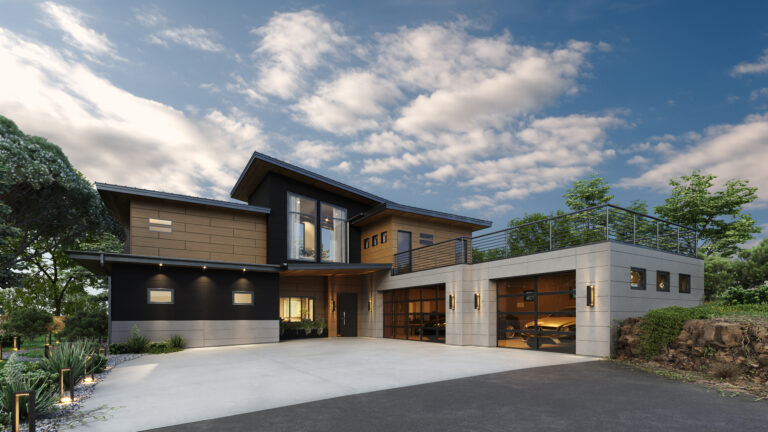
Natural wood facade panels have become a defining feature in modern architecture, combining aesthetic appeal with practical performance. Architects and homeowners alike are drawn to their ability to transform exteriors into warm, inviting, and sustainable spaces. Unlike synthetic cladding materials, wood panels offer a natural charm that evolves, giving each project a unique character.
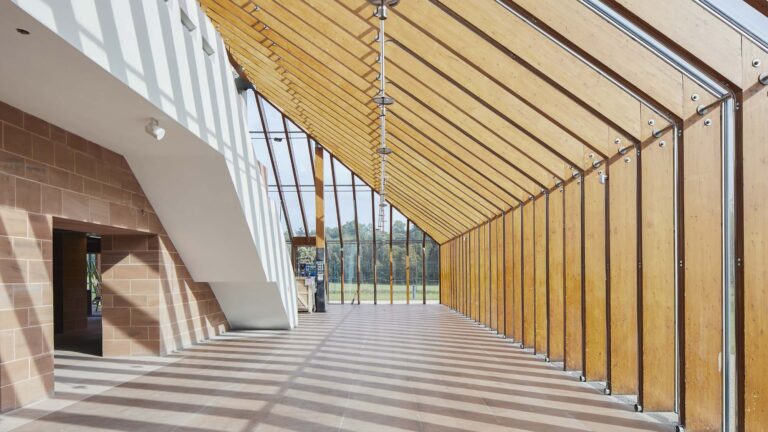
These panels are more than just a surface material; they represent a fusion of tradition and innovation. With advancements in treatment technologies, natural wood facades are now more durable, resistant to weathering, and environmentally responsible. Whether for residential homes, office buildings, or cultural spaces, wood facades create harmony between modern design and nature.
Why Natural Wood Facade Panels Are Gaining Popularity
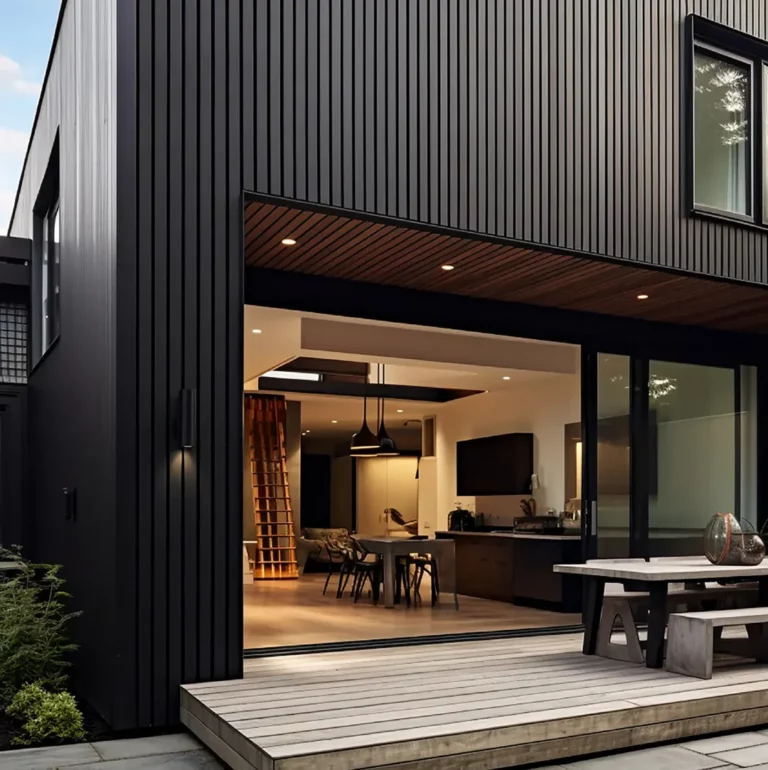
The resurgence of natural materials in construction is driven by sustainability and biophilic design principles. Wood connects people to nature, which has been shown to improve well-being and comfort. Additionally, wood panels provide flexibility in design — they can be arranged horizontally, vertically, or in patterns to achieve different visual effects.
Another factor behind their popularity is sustainability. Many wood facade panels are sourced from responsibly managed forests and treated to extend their lifespan, making them a greener alternative to synthetic options. This eco-friendly quality makes them highly desirable in markets where energy efficiency and low carbon footprints are increasingly important.
Types of Natural Wood Facade Panels
Different wood species and treatments offer diverse options for facade applications. Some popular choices include:
Cedar Panels
Cedar is widely favored due to its natural oils that resist decay and insect damage. Its warm tones gradually weather into a silvery-gray patina, creating a timeless aesthetic suitable for both traditional and contemporary buildings.
Oak Panels
Oak is a dense hardwood known for its durability and strength. It provides a bold, rich appearance, making it ideal for luxury residences and commercial spaces where a statement exterior is desired.
Thermally Modified Wood Panels
Through a heating process, thermally modified wood gains enhanced stability and resistance to rot. This makes it suitable for climates with extreme weather variations, ensuring longevity without compromising natural beauty.
Accoya Panels
Accoya is a high-performance modified wood that resists moisture, swelling, and decay. It combines sustainability with durability, offering architects a reliable option for demanding projects.
Benefits of Using Natural Wood Facade Panels
Aesthetic Warmth and Natural Beauty
Wood panels add depth, texture, and warmth to exteriors in ways that synthetic materials cannot replicate. Each panel carries unique grain patterns, giving buildings a natural identity.
Sustainability and Eco-Friendliness
When responsibly sourced, wood facade panels are renewable and biodegradable. They contribute to reducing carbon emissions and often require less energy to produce compared to aluminum or concrete cladding.
Thermal and Acoustic Insulation
Buildings clad in wood panels often maintain more stable indoor temperatures and benefit from reduced noise infiltration.
Design Versatility
Wood panels can be stained, painted, or left untreated to age naturally. They fit into diverse architectural styles — from rustic cabins to ultra-modern offices.
Real-World Examples of Natural Wood Facade Panels
1. Modern Residential Villa with Cedar Panels
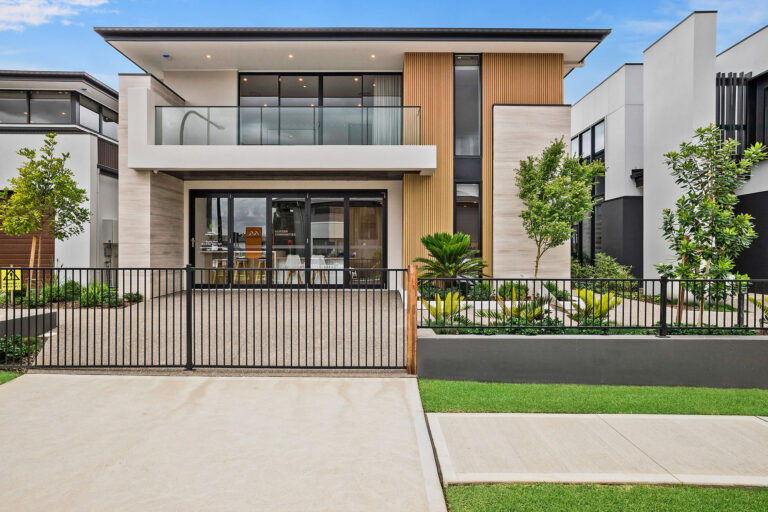
A modern villa in Northern Europe used vertically aligned cedar facade panels to create a seamless blend with the surrounding forest. Over time, the cedar’s weathered patina further integrated the home into its natural environment. This project demonstrates how wood facades can harmonize human-made structures with nature.
2. Sustainable Office Building with Thermally Modified Wood
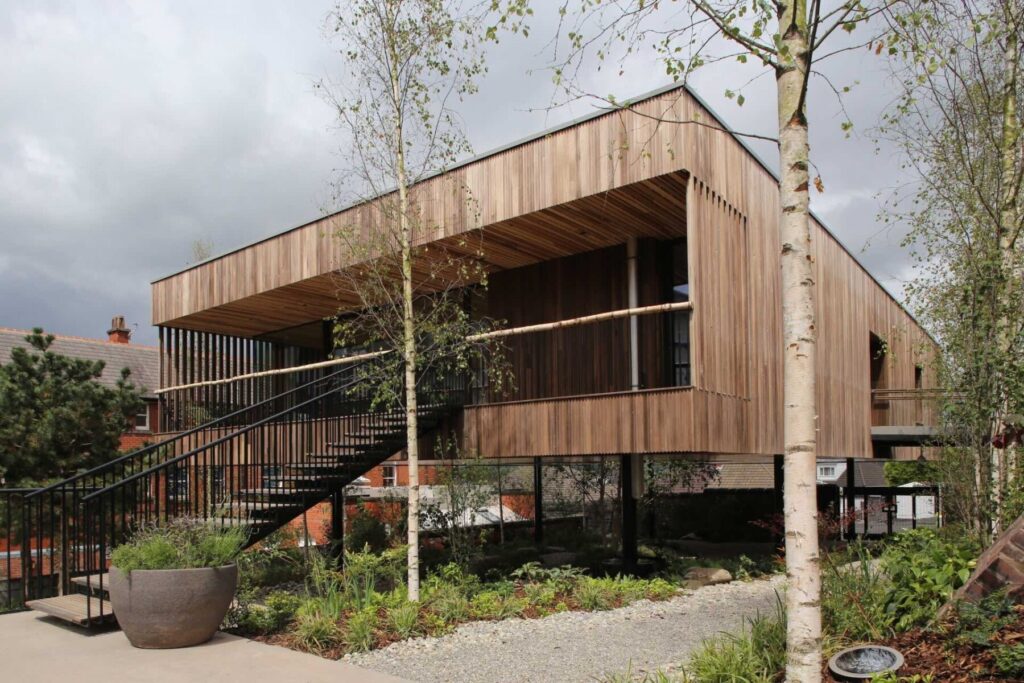
A corporate office in Germany adopted thermally modified wood facade panels to align with its sustainability goals. The panels offered resilience against weather fluctuations while maintaining a warm, inviting exterior. Employees reported increased satisfaction working in an environment surrounded by natural materials, showcasing the psychological benefits of wood in design.
3. Cultural Center with Oak Facade Panels
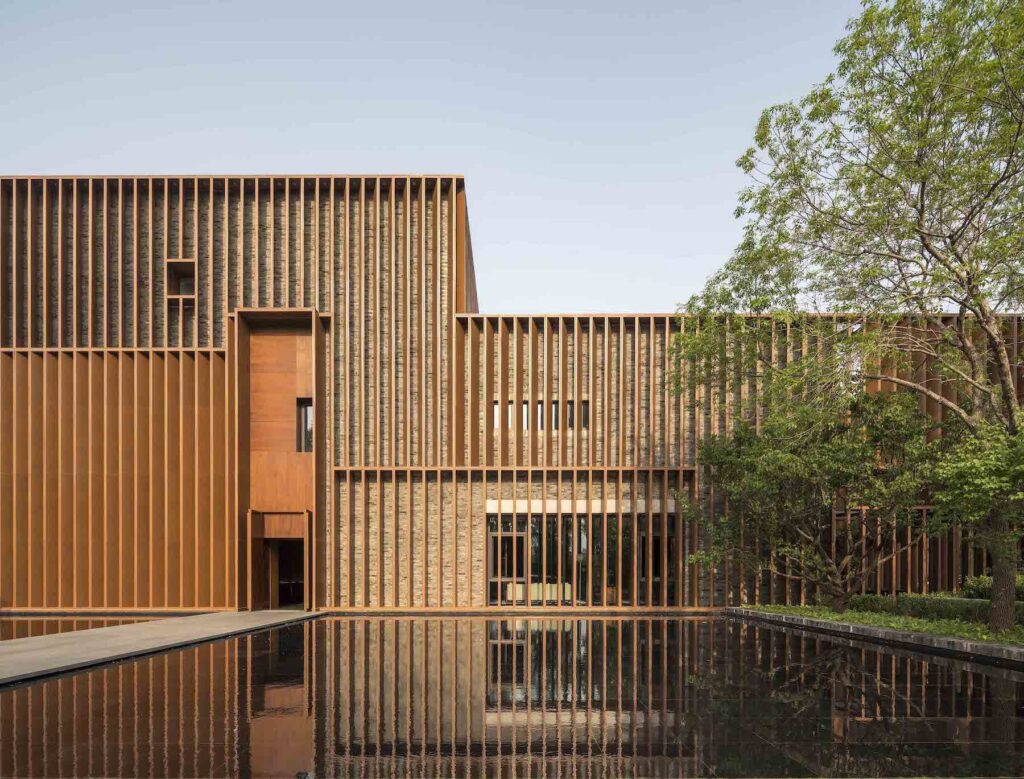
An urban cultural center in France incorporated oak panels for its exterior facade. The rich tones of oak created a bold architectural statement while providing durability for high-traffic areas. This example shows how natural wood panels can elevate public spaces.
4. Beach House with Accoya Panels
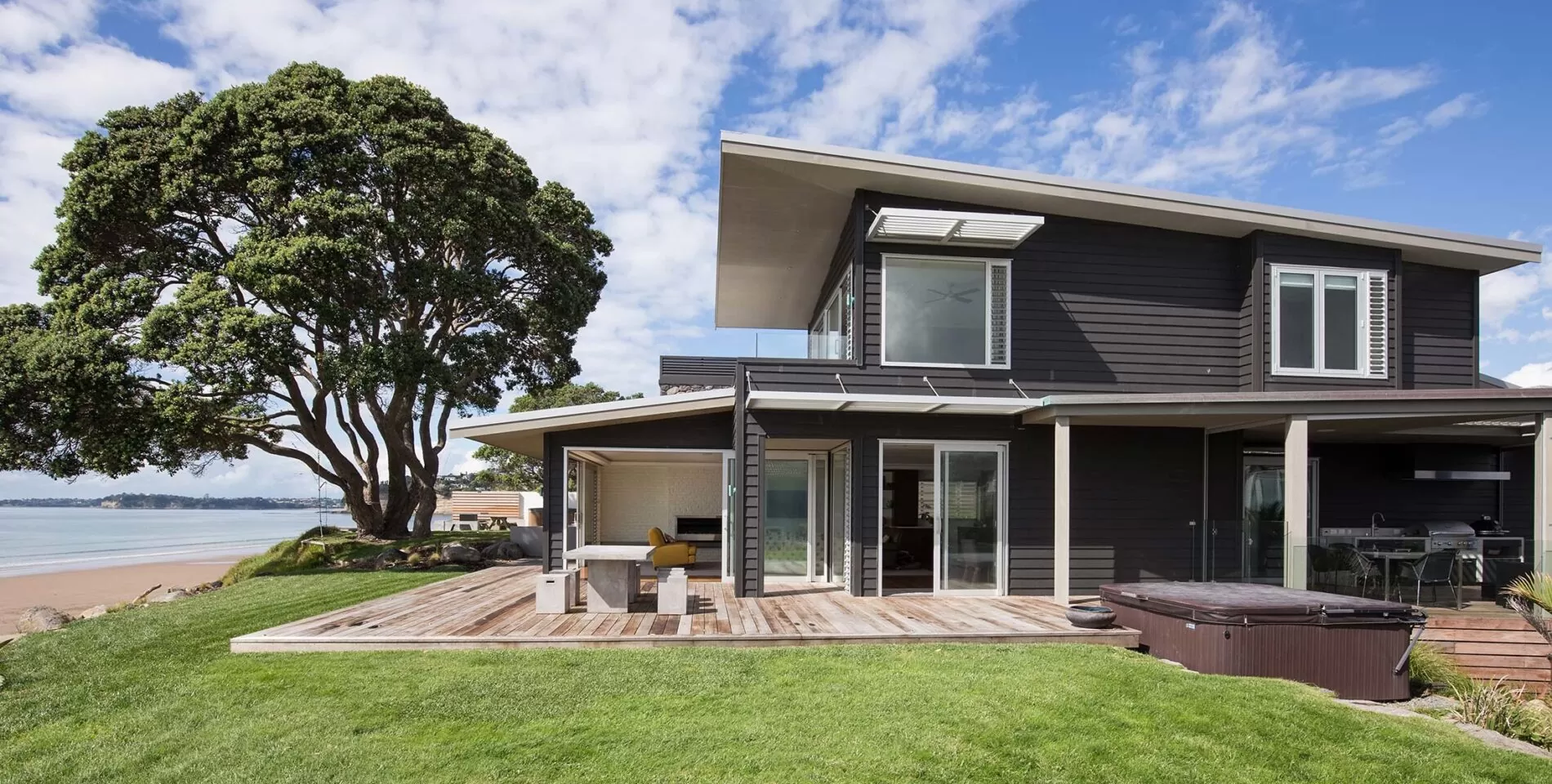
In coastal regions, buildings face challenges from saltwater and humidity. A beach house project in Australia used Accoya wood panels for their superior resistance to moisture and decay. The natural finish enhanced the home’s beachfront aesthetics while offering long-term durability against harsh marine conditions.
Use Cases of Natural Wood Facade Panels
Residential Projects
Wood facades are popular in modern homes, offering warmth and individuality. They solve the problem of cold, industrial-looking exteriors, making residences feel more inviting and natural.
Commercial Spaces
In offices, retail shops, and hospitality buildings, wood panels add character and a sense of luxury. They help differentiate brands by creating memorable architectural impressions.
Public and Cultural Buildings
Their sustainable qualities and organic textures resonate with community-focused and environmentally responsible projects.
Urban Developments
Wood cladding in mixed-use developments provides a humanizing effect in dense urban areas. It softens the appearance of concrete-heavy environments, improving livability and visual appeal.
Advantages of Natural Wood Facades in Modern Architecture
Natural wood facade panels are more than a design trend — they address real-world architectural needs. They help buildings achieve higher energy efficiency, support sustainable construction practices, and create a healthier connection between occupants and their environment. The adaptability of wood ensures it remains relevant across architectural styles, from minimalism to rustic design.
Furthermore, wood’s ability to age gracefully gives buildings character over time, rather than requiring constant upkeep to maintain a pristine look. This aging process adds authenticity, making wood a material of choice for architects seeking long-lasting beauty.
Frequently Asked Questions
Q1. How long do natural wood facade panels last?
With proper treatment and maintenance, wood facade panels can last several decades. High-performance options like Accoya or thermally modified wood offer even longer lifespans.
Q2. Do natural wood facade panels require a lot of maintenance?
Maintenance needs depend on the wood type and climate. While some species weather naturally, periodic treatments with oils or sealants can extend their durability and maintain their appearance.
Q3. Are wood facade panels suitable for all climates?
Yes, but the right wood type must be chosen. For humid or coastal environments, modified woods like Accoya are ideal, while cedar or oak perform well in temperate climates.