Rooftop Garden Design: Complete Guide, Benefits, and Inspiring Examples
Rooftop garden design has emerged as one of the most innovative and sustainable solutions for urban living. In cities where space is limited, rooftops are being transformed into lush, green oases that not only provide beauty but also contribute to environmental balance and improved quality of life.
Designing a rooftop garden involves careful planning of structural load, waterproofing, drainage systems, soil depth, and plant selection. Unlike ground-level gardens, rooftop gardens must be engineered to withstand strong winds, exposure to sunlight, and the unique challenges of being elevated above the ground. With thoughtful design, these spaces can become functional, sustainable, and visually stunning outdoor areas.
Key Elements of Rooftop Garden Design
A successful rooftop garden goes beyond planting greenery. It combines functionality, sustainability, and aesthetic value to create a cohesive outdoor living space.
Structural Considerations
Before designing a rooftop garden, it is crucial to assess the building’s structural capacity. Roofs must be strong enough to support the weight of soil, planters, water features, and human activity. Engineers typically conduct load assessments to ensure safety. Additional reinforcements may be required for extensive gardens that include heavy elements like trees or seating areas.
Proper waterproofing and drainage systems are also essential. Without them, rooftop gardens risk water leakage into the building, leading to costly damage. Advanced drainage mats, lightweight soil mixes, and protective membranes are used to ensure long-term durability.
Design and Layout Planning
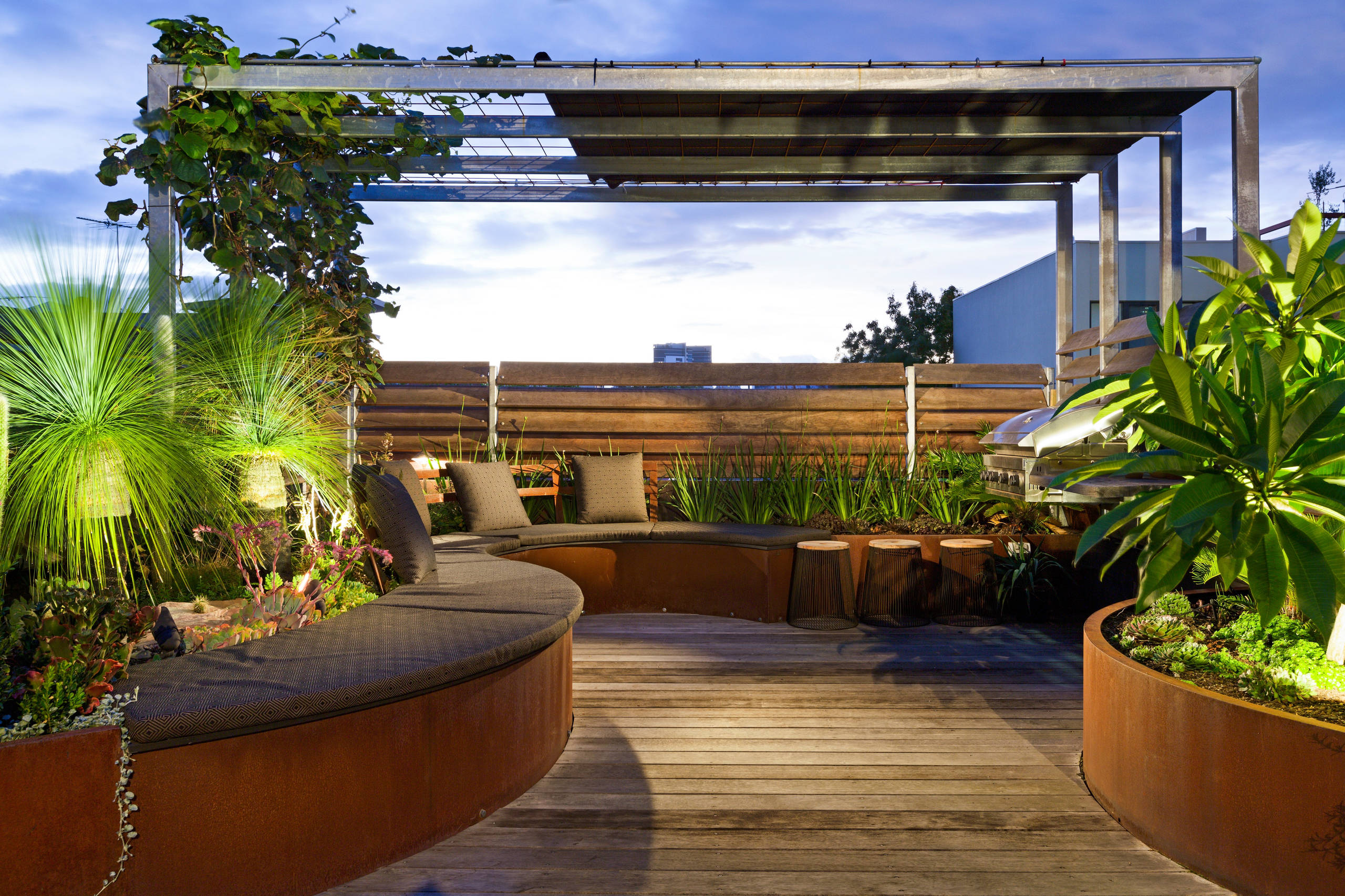
Rooftop garden design should consider how the space will be used. Some gardens are intended for relaxation and leisure, while others focus on urban farming or biodiversity. Zoning different areas — such as seating, pathways, and planting beds — creates balance and functionality.
Lighting, windbreaks, and shade structures are also integral. Rooftops are often exposed to extreme sunlight and strong winds, so designers use pergolas, vertical trellises, and windbreak panels to create comfortable environments.
Benefits of Rooftop Garden Design
Rooftop gardens are not just aesthetically appealing; they offer multiple environmental, social, and economic advantages.
Environmental Sustainability
Rooftop gardens help combat the urban heat island effect by reducing heat absorption on rooftops. Plants cool the surrounding air through evapotranspiration, lowering overall city temperatures. Additionally, green roofs improve air quality by filtering pollutants and producing oxygen.
They also play a critical role in stormwater management. By absorbing rainwater, rooftop gardens reduce runoff and prevent urban flooding. This makes them an eco-friendly solution in cities prone to heavy rainfall.
Energy Efficiency
A well-designed rooftop garden provides natural insulation for buildings. The soil and plants act as thermal barriers, reducing heat gain in summer and retaining warmth in winter. As a result, energy consumption for air conditioning and heating decreases significantly, lowering utility costs and reducing carbon emissions.
Health and Well-being
Access to green spaces has been shown to improve mental health and reduce stress. Rooftop gardens offer a serene escape from crowded urban environments, allowing residents to connect with nature without leaving the city. These spaces also encourage outdoor activities, social gatherings, and urban farming, contributing to healthier lifestyles.
Real-World Examples of Rooftop Garden Design
1. Bosco Verticale (Milan, Italy)
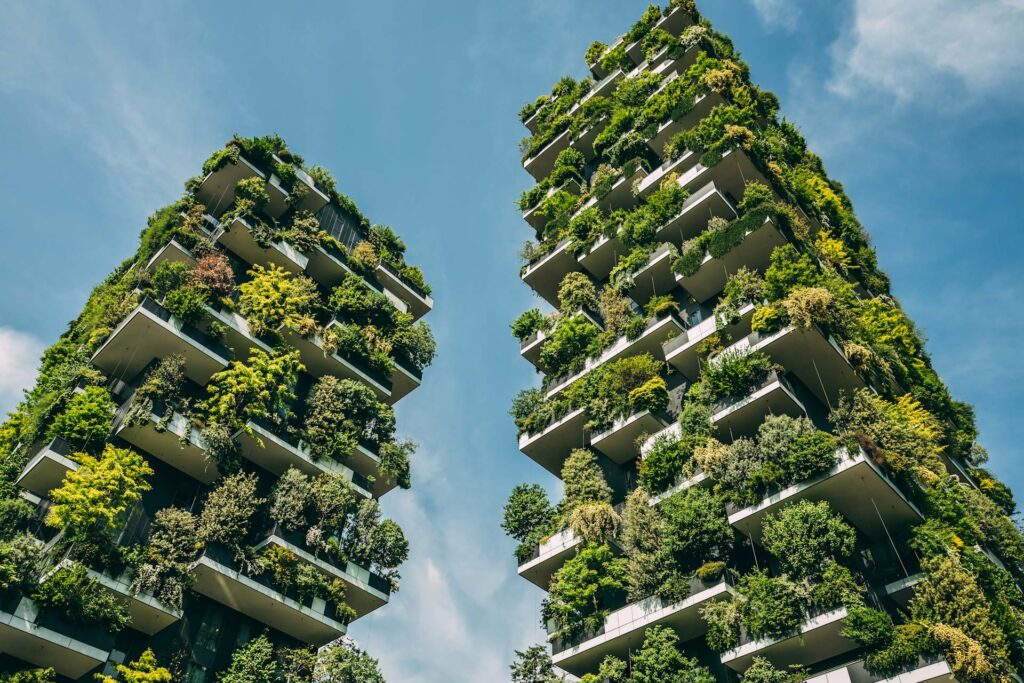
Bosco Verticale, also known as the “Vertical Forest,” is one of the most iconic examples of rooftop and vertical garden integration. The twin residential towers feature more than 900 trees and thousands of shrubs and plants spread across terraces and rooftops.
This project demonstrates how rooftop and facade gardens can create urban biodiversity, reduce pollution, and provide natural cooling. Bosco Verticale has become a global symbol of sustainable urban living, inspiring architects and city planners worldwide.
2. The Rooftop Farm at Brooklyn Grange (New York, USA)
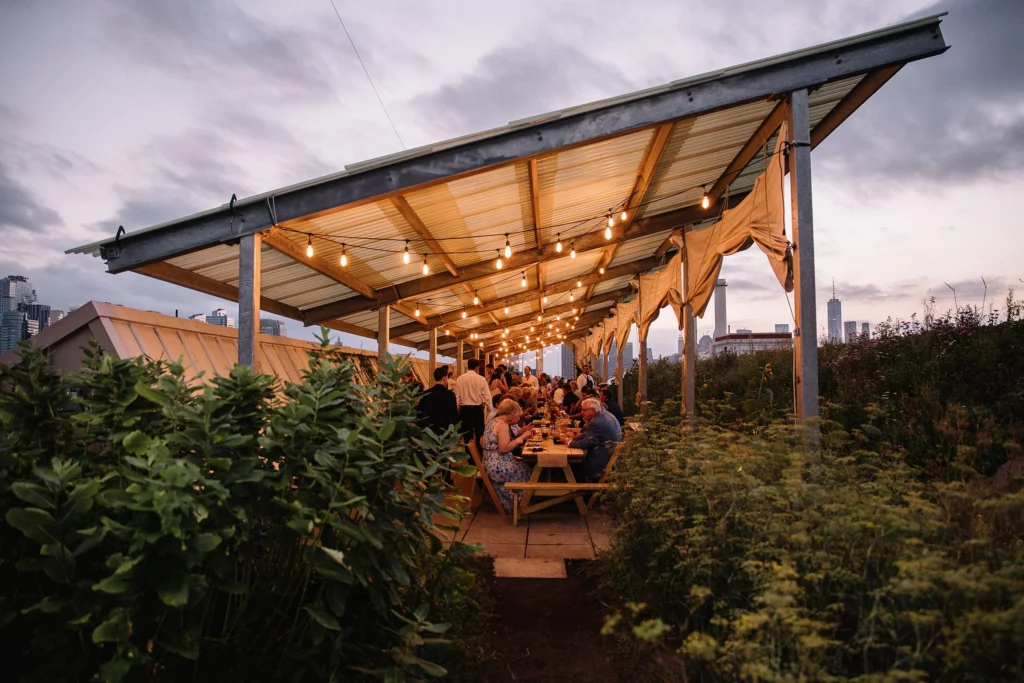
Brooklyn Grange operates one of the world’s largest rooftop soil farms. Located in New York City, it spans several rooftops and grows over 50,000 pounds of organic produce annually.
This project showcases how rooftop gardens can go beyond aesthetics to provide food security, local farming, and community engagement. It has also become a model for integrating agriculture into urban environments, reducing food miles and promoting sustainability.
3. Gardens by the Bay Conservatory Rooftops (Singapore)
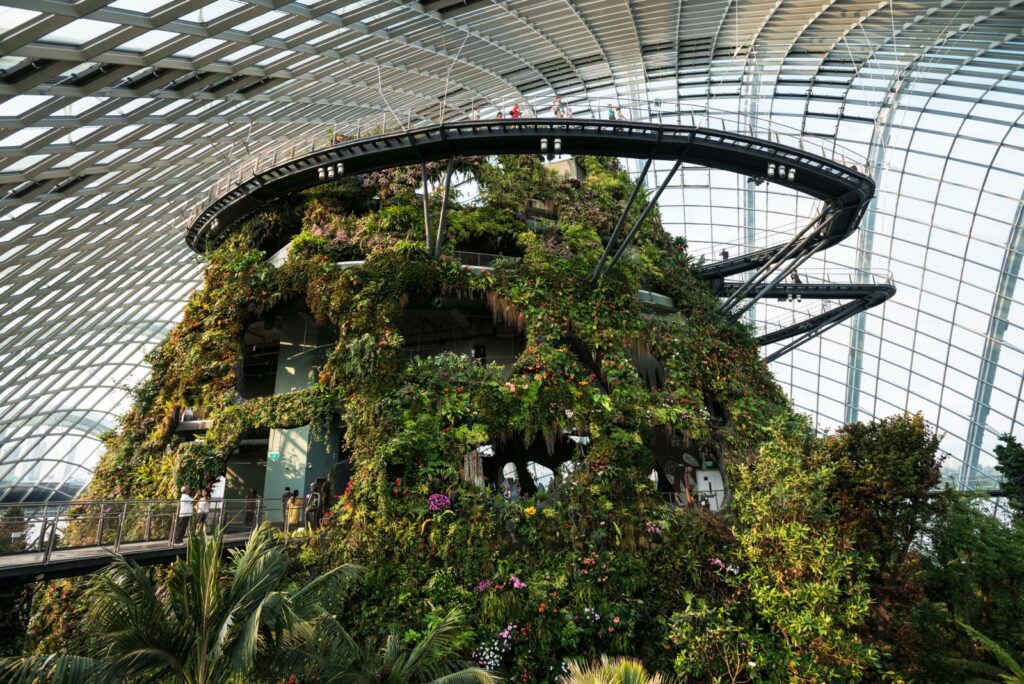
Singapore is known for its integration of greenery into urban design, and the rooftop gardens at Gardens by the Bay are prime examples. The conservatory rooftops feature lush planting schemes that enhance biodiversity and provide energy-efficient cooling for the massive structures.
These rooftop gardens demonstrate how technology, design, and nature can blend seamlessly. Singapore’s approach highlights how rooftop gardens are not only decorative but also essential in climate adaptation strategies.
4. ACROS Fukuoka Prefectural International Hall (Fukuoka, Japan)
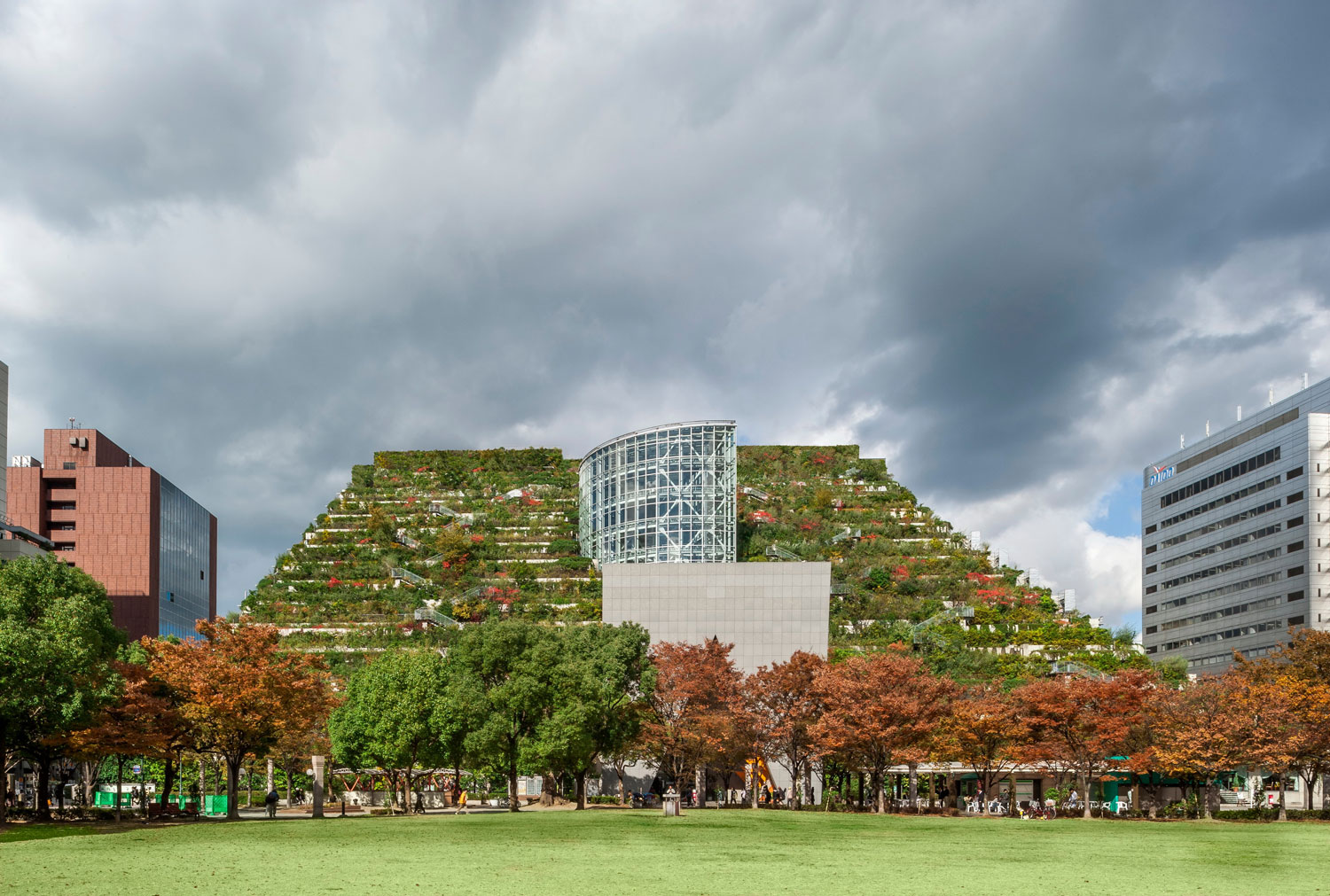
The ACROS Fukuoka building features a stepped rooftop garden with 15 terraces planted with over 35,000 plants. This green roof integrates seamlessly with the surrounding park, creating continuity between built and natural environments.
The design provides insulation, biodiversity, and aesthetic appeal while also serving as a public recreational space. ACROS Fukuoka illustrates how rooftop gardens can redefine architecture by merging it with nature.
Practical Use Cases for Rooftop Gardens
Urban Farming and Food Security
With increasing urban populations, rooftop gardens provide a sustainable way to grow fresh produce within cities. They reduce reliance on imported food, lower transportation emissions, and encourage healthier eating.
Residential Well-being
For apartment dwellers with limited access to ground-level gardens, rooftop spaces offer areas for relaxation, gatherings, and recreational activities. They also serve as child-friendly play areas and community gathering points.
Commercial Buildings and Hospitality
Hotels, restaurants, and office buildings use rooftop gardens to enhance guest experiences, provide event spaces, and improve energy efficiency. A green rooftop can increase property value and serve as a marketing advantage for eco-conscious businesses.
Climate Adaptation in Cities
Rooftop gardens are part of larger climate resilience strategies. They help mitigate flooding, reduce urban heat, and support biodiversity in areas where green spaces are scarce. Cities incorporating rooftop gardens into urban planning become better equipped to handle climate change challenges.
Frequently Asked Questions
Q1. What is the difference between a green roof and a rooftop garden?
A green roof typically refers to a layer of vegetation installed on a rooftop primarily for environmental benefits such as insulation and stormwater management. A rooftop garden, while similar, is more often designed for human use and recreation, incorporating seating, pathways, and landscaping elements.
Q2. Do rooftop gardens require special maintenance?
Yes, rooftop gardens require ongoing care. This includes irrigation, fertilization, pruning, and periodic inspection of waterproofing systems. However, modern irrigation technology and lightweight soil systems make maintenance more manageable.
Q3. Can any building support a rooftop garden?
Not all buildings are suitable for rooftop gardens. Structural assessments are essential to determine whether the roof can handle the added weight of soil, plants, and people. In many cases, modifications or reinforcements may be needed before installation.