Steel Facade Architecture: Modern Applications and Benefits
Steel facade architecture represents a modern approach to exterior design, where buildings are clad or structured with steel elements that combine strength, durability, and aesthetic appeal. The use of steel in facades has gained significant popularity due to its versatility and ability to adapt to both contemporary and industrial-inspired designs. Whether used in commercial skyscrapers, cultural centers, or residential projects, steel facades create bold architectural statements.
Architects favor steel facades for their capacity to merge form with function. Unlike other materials, steel can achieve intricate detailing, clean lines, and sustainable integration while maintaining robust weather resistance. This makes it a favored choice for forward-thinking designers seeking both performance and beauty.
The Evolution of Steel in Modern Facades
The application of steel in architecture is not new, but its role in facades has evolved remarkably over time. Initially, steel was mainly structural, forming the skeleton of buildings. Today, it also dominates as an external surface, enhancing energy performance, aesthetics, and identity.
Advancements in fabrication technologies, including laser cutting, perforation, and surface treatments, have made steel more adaptable to creative designs. Architects now use steel facades not only for protective cladding but also as artistic elements that can be customized to reflect cultural, environmental, or branding concepts.
Benefits of Steel Facade Architecture
Durability and Longevity
Steel is inherently strong and resistant to many environmental challenges, including corrosion, pests, and weather extremes. A well-treated steel facade can last decades without significant degradation, reducing long-term maintenance costs and ensuring building resilience.
Versatility in Design
Steel facades can be molded into complex patterns, perforated panels, or sleek minimalist surfaces. This flexibility allows architects to experiment with textures, shapes, and finishes, ensuring the building stands out while meeting functional needs like shading or ventilation.
Sustainability and Energy Efficiency
Modern steel facades often integrate with insulation systems or double-skin designs that improve thermal efficiency. Steel is also highly recyclable, making it a sustainable choice for environmentally responsible architecture.
Low Maintenance and Cost Efficiency
Compared to natural stone or wood facades, steel requires less frequent maintenance. Protective coatings, such as galvanization or powder coatings, enhance its resistance to rust and discoloration, ensuring the facade retains its aesthetic appeal with minimal upkeep.
Real-World Examples of Steel Facade Architecture
1. The Broad Museum, Los Angeles
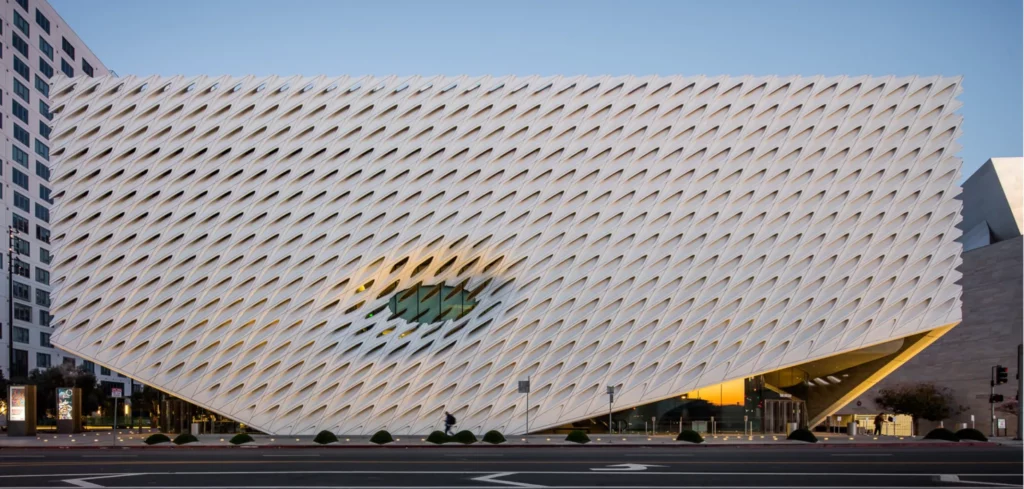
The Broad Museum showcases how steel facades can serve as a design centerpiece. Its honeycomb-like steel lattice wraps around the structure, giving it a futuristic and dynamic aesthetic. The facade not only enhances visual impact but also controls natural light penetration, protecting the art within.
This example highlights how steel facades can merge functional shading with architectural artistry, reinforcing the adaptability of steel in cultural and civic projects.
2. Beijing National Stadium (Bird’s Nest)
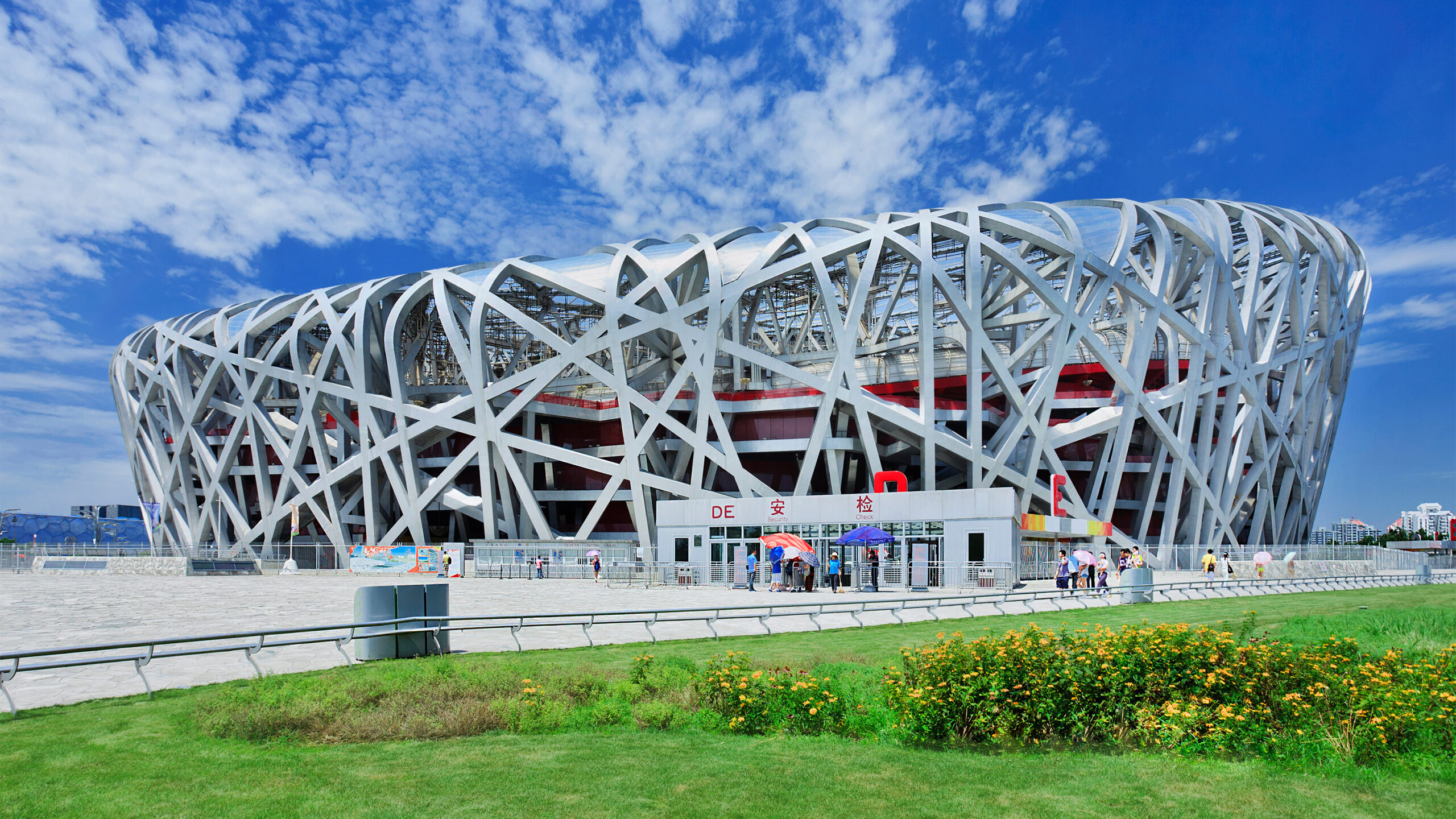
The Bird’s Nest is an iconic case of steel being used both structurally and aesthetically. Its intricate latticework of interwoven steel beams forms a unique facade that defines the stadium’s identity. Beyond its striking appearance, the steel cladding also contributes to structural stability and crowd flow management.
This example demonstrates how steel facades can transcend decorative use to become integral elements of both design and performance.
3. 30 St Mary Axe (The Gherkin), London
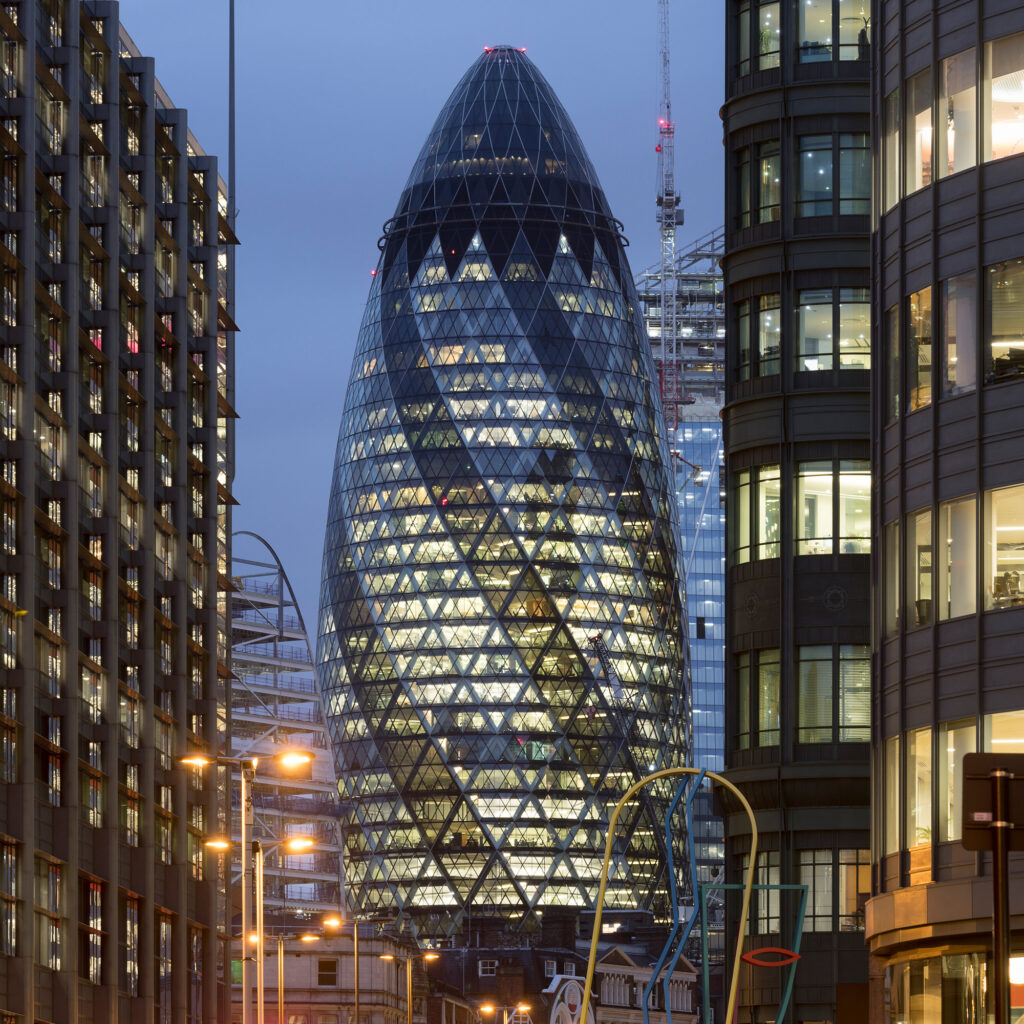
This landmark skyscraper utilizes a steel and glass facade system designed for both energy efficiency and aesthetics. The diagonal steel framework creates a distinctive look while optimizing airflow and reducing reliance on artificial cooling.
The Gherkin’s facade proves that steel can simultaneously enhance sustainability goals and establish a globally recognized architectural identity.
4. One World Trade Center, New York
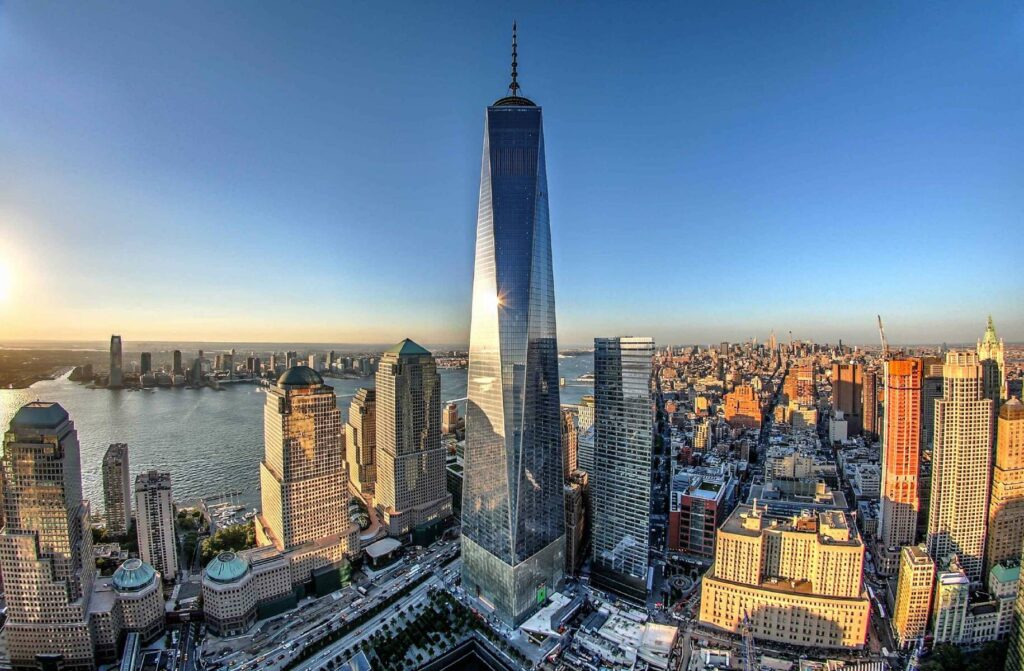
One World Trade Center incorporates steel in its facade design for resilience and sleek modern appeal. The reflective steel and glass facade strengthens the tower against wind loads while ensuring a timeless aesthetic for one of the world’s most symbolic buildings.
This case illustrates how steel facades deliver not just beauty but also safety, functionality, and prestige in major urban developments.
Practical Use Cases of Steel Facade Architecture
Enhancing Aesthetic Identity
Steel facades allow architects to craft unique visual statements for buildings. Businesses can reflect brand values through customized perforated steel panels, while cultural centers can incorporate symbolic patterns that resonate with local communities.
Improving Climate Adaptability
In regions with extreme temperatures, steel facades can integrate shading devices, ventilated layers, or reflective coatings to regulate interior comfort. This reduces reliance on HVAC systems, contributing to energy savings and sustainability.
Strengthening Structural Protection
Steel cladding can protect buildings from physical impact, fire hazards, and environmental wear. Its strength makes it particularly suitable for urban environments where resilience against external pressures is essential.
Supporting Smart Building Systems
Steel facades can be combined with modern technologies such as integrated solar panels or kinetic shading systems. This positions them as future-proof solutions that merge architecture with smart energy management.
Why Steel Facade Architecture is Valuable in Real Life
Steel facade architecture solves multiple real-world challenges simultaneously. It offers an enduring solution for developers seeking long-lasting materials, while also addressing energy performance requirements in line with modern sustainability goals. For city planners and architects, steel facades provide creative freedom, allowing buildings to become landmarks that define skylines and communities.
From skyscrapers to cultural institutions, steel facades have repeatedly proven their worth in combining visual drama with practical functionality. Their adaptability ensures they remain relevant in both current and future architectural contexts.
Frequently Asked Questions (FAQ)
Q1. What makes steel facades different from other facade materials?
Steel facades stand out due to their superior strength, design versatility, and sustainability. Unlike wood or stone, steel can be easily shaped into complex designs while offering higher resistance to weather and wear.
Q2. Are steel facades environmentally sustainable?
Yes, steel is highly recyclable and often reused in construction projects. Modern steel facade systems also enhance energy efficiency by integrating insulation and reducing cooling or heating demands.
Q3. Do steel facades require a lot of maintenance?
Steel facades are relatively low-maintenance compared to materials like wood. Protective coatings and finishes minimize corrosion, discoloration, and surface damage, ensuring long-lasting performance with minimal upkeep.