Stone Veneer Exterior Walls: Benefits, Design Insights, and Real-World Applications
Stone veneer exterior walls have become one of the most sought-after solutions in modern and traditional home design. Unlike natural stone walls that require extensive labor and high costs, stone veneer offers a lightweight, cost-effective, and visually appealing alternative. These walls provide the timeless elegance of stone while being versatile enough to fit into both residential and commercial projects.
In this article, we’ll explore the details of stone veneer exterior walls, their design advantages, real-world examples, and practical use cases to help you understand why they have gained so much popularity in architectural design.
What Are Stone Veneer Exterior Walls?
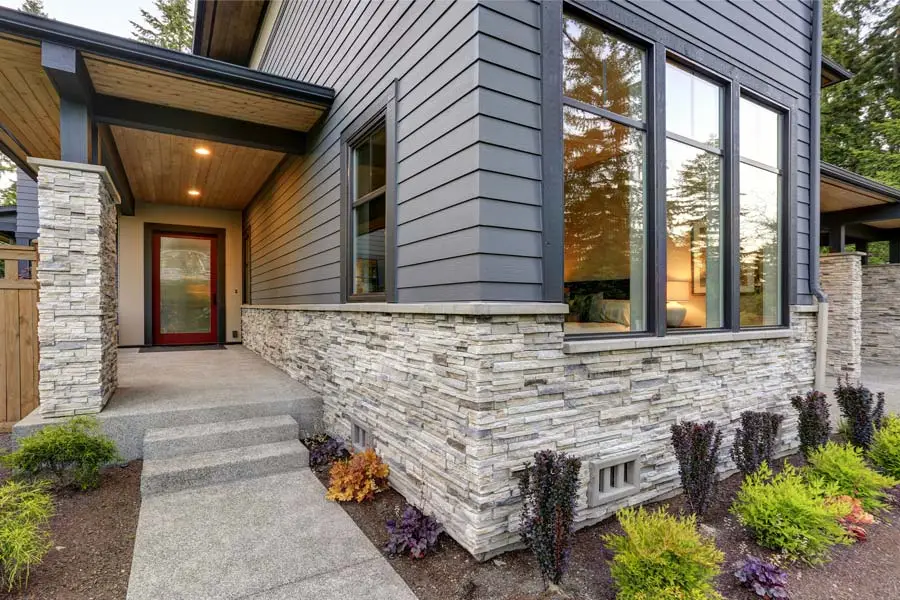
Stone veneer exterior walls are a type of decorative cladding material made to replicate the appearance of natural stone. They can be manufactured using lightweight concrete, natural stone slices, or composites that mimic real stone textures. Unlike heavy stone masonry, stone veneer is easier to install and provides greater design flexibility.
There are two main categories of stone veneer: natural stone veneer and manufactured stone veneer. Natural stone veneer is made from thinly cut real stone, while manufactured options are designed from cement-based materials molded into stone-like shapes. Both types give a highly realistic finish while maintaining a much lighter weight compared to full-thickness stone walls.
Advantages of Stone Veneer Exterior Walls
Aesthetic Appeal
One of the most significant benefits of stone veneer exterior walls is their ability to elevate curb appeal. The natural, rustic, or modern finish of stone blends seamlessly with various architectural styles, from farmhouse to contemporary.
Stone veneer provides designers and homeowners with a wide range of colors, textures, and patterns. This flexibility ensures that the exterior walls align with the home’s theme, whether the goal is to replicate rugged mountain stone or sleek, uniform surfaces.
Durability and Weather Resistance
Despite being lighter and thinner than traditional stone, stone veneer maintains impressive durability. It resists cracking, warping, and fading, making it suitable for long-term use in different climates. High-quality stone veneer is also resistant to moisture, which reduces the risks of mold or structural damage.
Stone veneer can withstand harsh weather conditions, including heavy rains, snow, and extreme heat. This makes it a strong choice for homes in diverse environments, ensuring both function and beauty.
Cost-Effectiveness
Natural stone walls are not only expensive in material cost but also require skilled labor for installation. Stone veneer, by contrast, reduces both material and installation costs. This makes it accessible to a wider range of homeowners and builders who want the luxurious look of stone without overwhelming expenses.
Energy Efficiency and Low Maintenance
When installed properly, stone veneer contributes to thermal insulation, keeping indoor spaces cooler in summer and warmer in winter. Additionally, stone veneer requires minimal upkeep compared to painted or wooden exteriors, as it retains its natural look for decades with little maintenance.
Real-World Example Applications of Stone Veneer Exterior Walls
1. Modern Suburban Homes
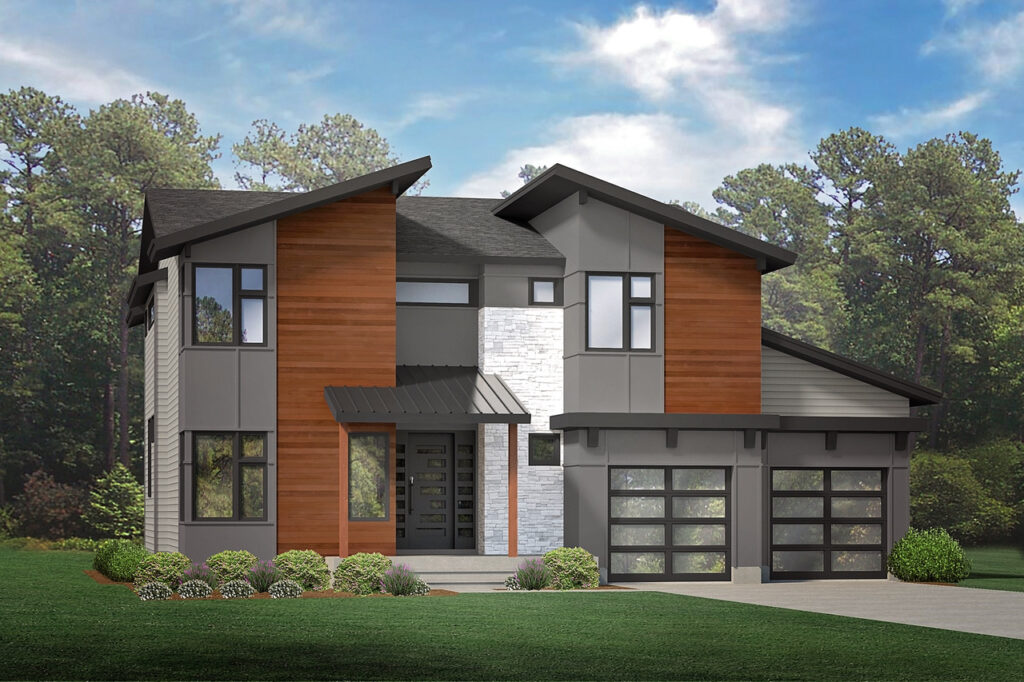
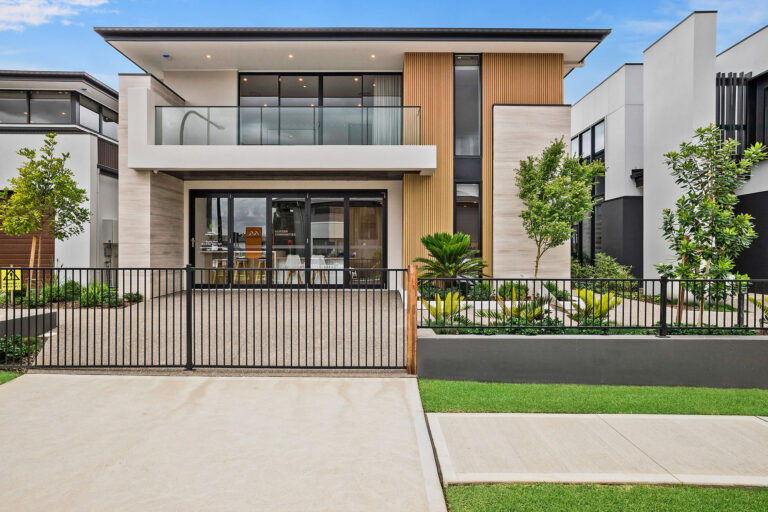
In modern suburban housing developments, stone veneer is often applied as accent walls around entryways, garage fronts, or facades. This adds an element of sophistication and breaks the monotony of plain siding. Builders choose stone veneer because it creates a high-end look while keeping projects affordable for large-scale residential communities.
These homes benefit not just aesthetically but also functionally, as stone veneer provides additional insulation and weather resistance compared to vinyl or wood siding.
2. Commercial Buildings

Retail stores, office complexes, and hospitality buildings frequently incorporate stone veneer into their exterior walls. The material offers a professional and welcoming appearance that elevates brand presence. For example, a hotel chain may use stone veneer at the entrance and along the lower portion of the building to create a warm, inviting aesthetic for guests.
This application highlights stone veneer’s ability to merge beauty with durability, handling high-traffic areas and weather exposure without losing its visual charm.
3. Outdoor Living Spaces

Stone veneer is also commonly used in outdoor entertainment areas, patios, and garden walls. When applied to exterior walls that extend into outdoor kitchens or seating areas, it creates a seamless connection between nature and architectural design.
For instance, a backyard lounge with a stone veneer wall backdrop provides a luxurious, resort-like feel. The rugged textures of stone help blend built spaces into natural surroundings, creating harmony between landscape and architecture.
4. Rustic Cabins and Country Homes
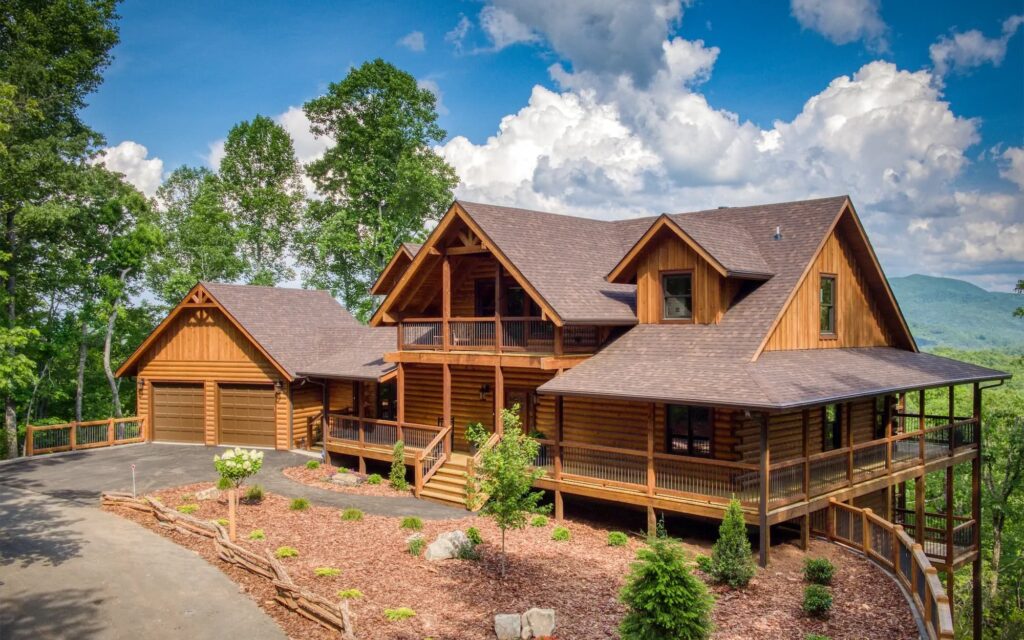
For rural settings, stone veneer is often used to replicate the charm of traditional stone masonry. Cabins or countryside homes use stone veneer on exterior walls to enhance rustic appeal while maintaining cost-effectiveness. The veneer’s lightweight nature allows it to be applied to wooden or concrete structures without structural reinforcement.
This showcases how stone veneer can preserve traditional aesthetics while adapting to modern construction techniques.
Benefits of Using Stone Veneer in Modern Architecture
Enhanced Curb Appeal and Property Value
Homes with stone veneer exterior walls stand out due to their elegant, high-end appearance. This design upgrade can increase property value significantly, making it a smart investment for homeowners planning to sell in the future.
Versatility in Design
Unlike full stone walls, stone veneer can be applied in creative patterns across selective portions of a home. Designers often use it to frame windows, highlight entrances, or create unique accent zones. This versatility allows homeowners to achieve customized looks without requiring full coverage.
Environmental Considerations
Manufactured stone veneer consumes fewer natural resources compared to quarrying full stone blocks. Additionally, it reduces transportation emissions since it is lighter and easier to ship. This makes stone veneer an environmentally conscious choice for sustainable architecture.
Longevity with Low Maintenance
Unlike paint that requires frequent re-coating, or wood siding that demands staining and sealing, stone veneer maintains its original appearance for decades. It requires little more than occasional cleaning, making it ideal for homeowners seeking low-maintenance solutions.
Practical Use Cases of Stone Veneer Exterior Walls
Solving High-Cost Construction Challenges
For homeowners who love the look of natural stone but cannot afford it, stone veneer provides an accessible alternative. It delivers the same luxurious aesthetic at a fraction of the price, solving the financial challenge of stone construction.
Enhancing Weather Protection
Homes in regions with harsh winters or heavy rainfall often struggle with siding damage. Stone veneer provides added protection, helping prevent moisture infiltration and extending the lifespan of exterior walls.
Renovation and Remodeling Projects
When renovating older homes, installing full stone walls may not be structurally possible. Stone veneer allows homeowners to update their exterior design without placing additional weight or strain on the existing structure.
Blending Modern and Traditional Styles
Stone veneer bridges the gap between contemporary designs and traditional aesthetics. It can be used to modernize older homes while preserving classic stone-inspired elements, or to add warmth to sleek, modern builds.
Frequently Asked Questions
Q1. How long do stone veneer exterior walls last?
High-quality stone veneer exterior walls can last for decades, often 50 years or more, when properly installed and maintained. Their resistance to weathering and minimal upkeep requirements make them a long-term investment.
Q2. Can stone veneer be applied to any type of building?
Yes, stone veneer can be installed on wood, concrete, or metal structures. However, proper installation techniques, including moisture barriers and adhesives, are crucial to ensure durability.
Q3. Is stone veneer environmentally friendly?
Manufactured stone veneer is more sustainable than natural stone because it requires fewer raw materials and less transportation energy. Many options are designed with eco-friendly production methods, making them a responsible choice.