Sustainable Facade Materials: Modern Solutions for Eco-Friendly Architecture
Facades define the character of a building while also influencing its performance, energy efficiency, and environmental impact. In modern architecture, the demand for sustainable facade materials has grown significantly as builders and designers aim to reduce carbon footprints while maintaining aesthetics and functionality.
Sustainable facade materials are designed not only for durability and visual appeal but also for minimizing ecological impact. They are typically made from renewable, recycled, or energy-efficient resources, aligning with green building standards and certifications like LEED or BREEAM.
These materials do more than just cover a structure—they regulate thermal comfort, improve energy efficiency, and contribute to the long-term sustainability of urban spaces.
Characteristics of Sustainable Facade Materials
Sustainable facades must balance aesthetics, performance, and environmental responsibility. The defining characteristics include:
-
Eco-Friendly Composition: Made from natural, recycled, or renewable sources such as reclaimed wood, recycled aluminum, or low-carbon concrete.
-
Energy Efficiency: Designed to reduce heat gain or loss, helping buildings consume less energy for heating and cooling.
-
Durability and Low Maintenance: High resistance to weather, UV radiation, and pollutants ensures a longer life cycle with minimal upkeep.
-
Recyclability: Materials that can be reused or recycled at the end of their life cycle, reducing construction waste.
The Role of Technology in Sustainable Facades
Technological innovations have transformed the way facades are designed and manufactured. Smart materials and advanced engineering contribute to higher efficiency and sustainability.
One significant development is photovoltaic facade systems, which integrate solar panels directly into the external building skin. This allows the facade to not only act as a protective surface but also generate renewable energy. Similarly, dynamic facades that adjust to weather conditions through automated shading systems significantly improve indoor climate control while reducing reliance on artificial cooling and heating.
These advancements bridge the gap between sustainability and performance, ensuring that modern facades are not only environmentally conscious but also highly functional.
Real-World Examples of Sustainable Facade Materials
1. Recycled Aluminum Panels

Recycled aluminum panels are a leading choice for sustainable facades due to their lightweight properties, durability, and infinite recyclability. Unlike traditional cladding, aluminum panels made from recycled content reduce energy-intensive extraction processes while maintaining strength and visual appeal.
Architects often prefer recycled aluminum for large commercial projects where both aesthetics and sustainability are priorities. The material’s reflective qualities also contribute to improved daylighting, lowering the need for artificial lighting inside buildings.
2. Timber Facades from Sustainable Forests
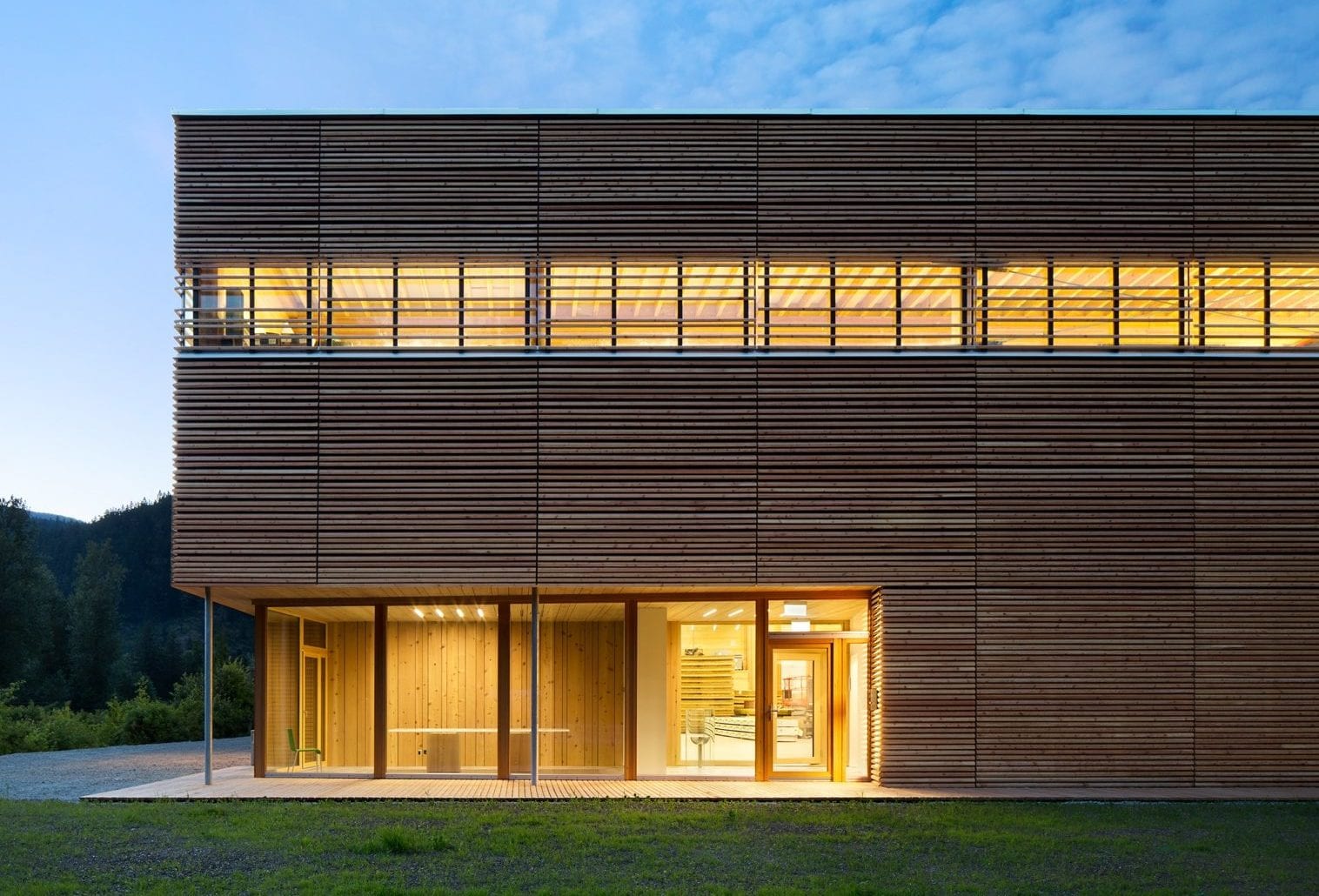
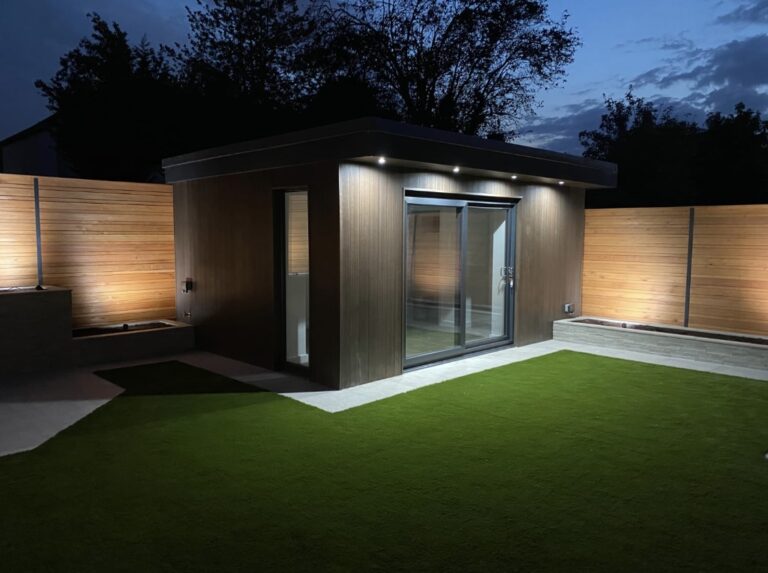
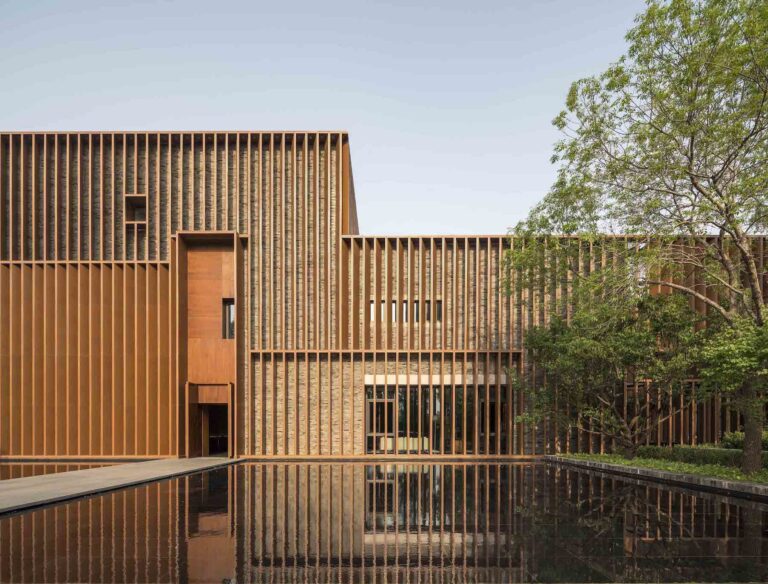
Wood sourced from responsibly managed forests has become an iconic sustainable facade solution. Certified timber facades provide natural warmth and aesthetics while locking in carbon during their lifecycle.
Sustainably harvested timber requires careful treatment to withstand weathering, but when properly maintained, it offers exceptional longevity. Modern treatments and engineered wood products enhance durability, making timber a renewable and low-impact option for eco-friendly facades.
3. Photovoltaic Glass Facades
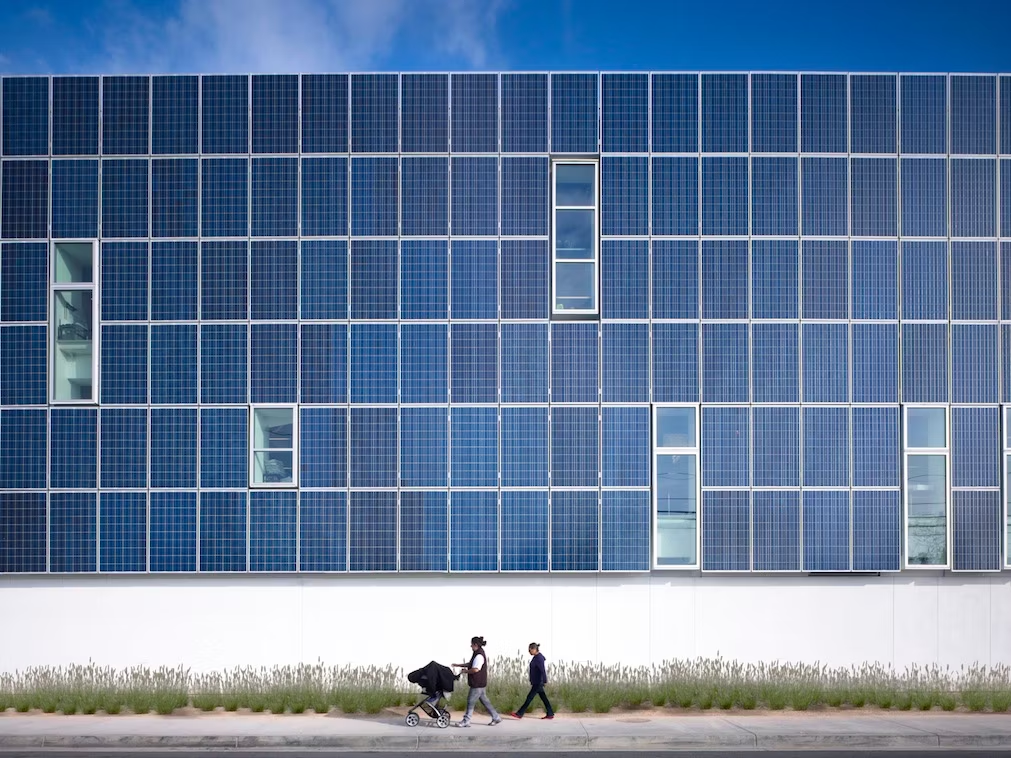
Photovoltaic (PV) glass integrates solar cells within glass panels, creating facades that generate electricity while maintaining transparency. This innovative material allows buildings to harness solar power without compromising design.
PV glass facades are particularly effective in high-rise buildings and office complexes, where large surface areas can be utilized for renewable energy generation. They reduce dependency on external power sources and help structures achieve net-zero energy goals.
4. Natural Stone with Low-Impact Processing

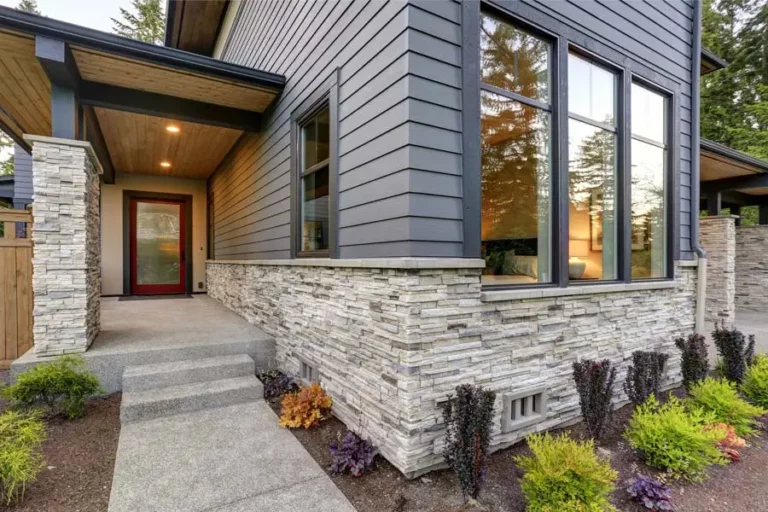
Natural stone, when sourced and processed responsibly, is another sustainable facade material. Unlike synthetic alternatives, stone is durable, long-lasting, and recyclable. Advances in quarrying technology now allow for low-impact extraction and processing, further reducing its environmental footprint.
Stone facades are valued for their timeless appeal and resilience, making them a practical choice for both contemporary and traditional architecture. Its thermal mass properties also help regulate indoor temperatures naturally.
Benefits of Using Sustainable Facade Materials
Adopting sustainable facade materials brings a wide range of environmental and functional benefits.
-
Reduced Carbon Footprint: These materials minimize energy use during manufacturing and operation, helping buildings meet stricter environmental standards.
-
Enhanced Energy Efficiency: Facades designed with insulation and shading capabilities reduce reliance on HVAC systems, lowering energy bills.
-
Improved Indoor Comfort: Sustainable facades regulate natural light and ventilation, enhancing occupant well-being.
-
Longevity and Durability: High-performance sustainable materials extend the life of buildings while reducing maintenance costs.
-
Aesthetic Versatility: From sleek recycled metals to organic timber, sustainable facades allow architects to achieve unique and modern designs.
Use Cases of Sustainable Facade Materials
Urban Skyscrapers
In dense urban environments, skyscrapers face high energy demands. Sustainable facade systems such as PV glass and recycled aluminum panels provide solutions by turning building exteriors into energy-generating and insulating systems. This not only reduces operational costs but also supports citywide carbon reduction initiatives.
Residential Buildings
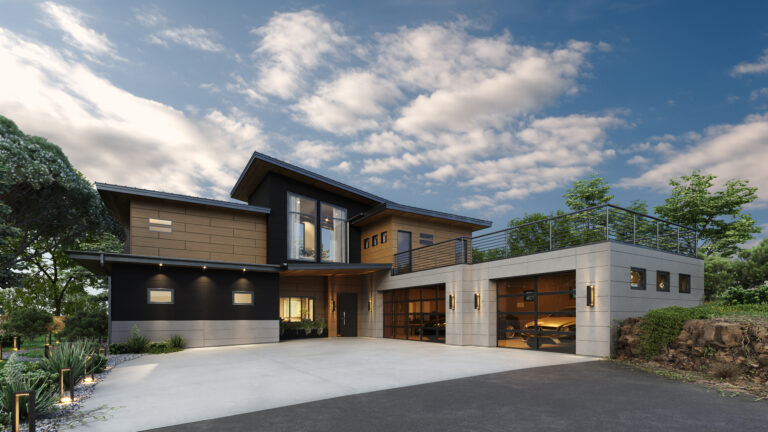
Homeowners increasingly turn to timber and natural stone facades for sustainable housing. These materials provide thermal comfort, reduce environmental impact, and deliver an aesthetic that blends naturally with surroundings. Sustainable facades in residential projects promote healthier living environments and long-term energy savings.
Public and Educational Buildings
Schools, libraries, and government facilities often prioritize sustainability for long-term community benefit. Facade systems like solar-integrated glass or responsibly sourced timber enable such buildings to serve as role models of eco-conscious design. They also enhance educational environments by optimizing natural lighting and air quality.
Frequently Asked Questions
Q1. What makes a facade material sustainable?
A facade material is considered sustainable when it is made from renewable or recycled resources, enhances energy efficiency, and has a low environmental impact throughout its lifecycle.
Q2. Are sustainable facade materials more expensive than traditional options?
While initial costs may be higher, sustainable materials often provide long-term savings through energy efficiency, durability, and reduced maintenance.
Q3. Can sustainable facade materials be used in all climates?
Yes, sustainable facades are adaptable. Timber and stone are suitable for temperate climates, while recycled aluminum and photovoltaic glass work well in diverse environments due to their durability and energy performance.