Sustainable Outdoor Gardens: Eco-Friendly Landscaping Ideas for Modern Homes
Sustainable Outdoor Gardens. Designing a sustainable outdoor garden is no longer just a trend—it’s a necessity in today’s world of climate change, water scarcity, and environmental responsibility. Homeowners and landscapers are turning to eco-friendly practices that not only beautify outdoor spaces but also conserve natural resources, support biodiversity, and promote healthier lifestyles.
This article dives deep into the concept of sustainable outdoor gardens, exploring eco-friendly strategies, technologies, real-world examples, benefits, and practical use cases that highlight why this approach is essential for modern living.
What is a Sustainable Outdoor Garden?
A sustainable outdoor garden is a thoughtfully designed green space that emphasizes conservation, biodiversity, and eco-friendly practices. Unlike traditional gardens that often rely heavily on pesticides, synthetic fertilizers, and excessive water usage, sustainable gardens focus on natural processes and resource efficiency.
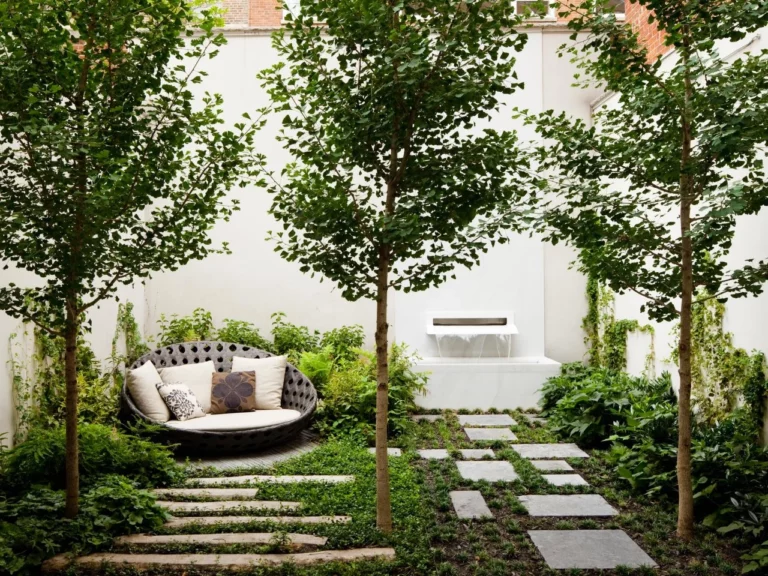
These gardens work in harmony with the local ecosystem by reducing environmental impact while providing functional and aesthetic value to homeowners. From water-efficient irrigation systems to native plantings that thrive in local climates, sustainable outdoor gardens are about creating long-term balance.
Key Principles of Sustainable Garden Design
Creating a sustainable outdoor garden involves applying ecological principles that ensure long-term viability.
Using Native and Drought-Tolerant Plants
Native plants are well adapted to local climates and require less water, fertilizers, and maintenance. They also attract pollinators such as bees and butterflies, supporting the ecosystem.
Efficient Water Management
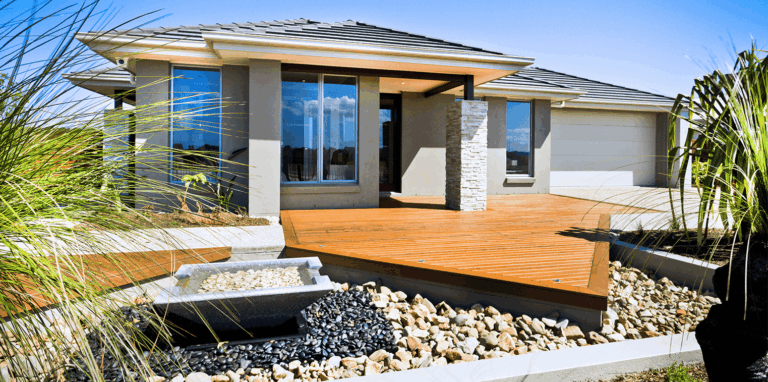
Sustainable gardens often incorporate rainwater harvesting, drip irrigation, and permeable paving to minimize water waste. These systems help conserve water while ensuring plants receive the hydration they need.
Organic Soil Health
Avoiding chemical fertilizers and instead enriching soil with compost, mulch, and organic matter boosts soil health and supports microorganisms that are vital for plant growth.
Biodiversity and Wildlife Support
Sustainable outdoor gardens encourage biodiversity by providing habitats for birds, insects, and beneficial animals. This creates a balanced ecosystem where plants and wildlife thrive together.
Benefits of Sustainable Outdoor Gardens
Sustainable gardens provide a wide range of benefits that extend beyond aesthetics.
Environmental Benefits
They reduce carbon footprints, conserve water, and minimize pollution by avoiding harmful chemicals. A single sustainable garden can improve local air quality and support pollinator populations.
Economic Benefits
Though sustainable designs may involve upfront planning, they save money in the long run by lowering water bills, reducing fertilizer needs, and requiring less maintenance.
Health and Lifestyle Benefits
Outdoor sustainable spaces improve mental health, encourage physical activity through gardening, and provide access to organic produce when edible plants are included.
Real-World Examples of Sustainable Outdoor Garden Products
1. Rainwater Harvesting Barrels and Tanks
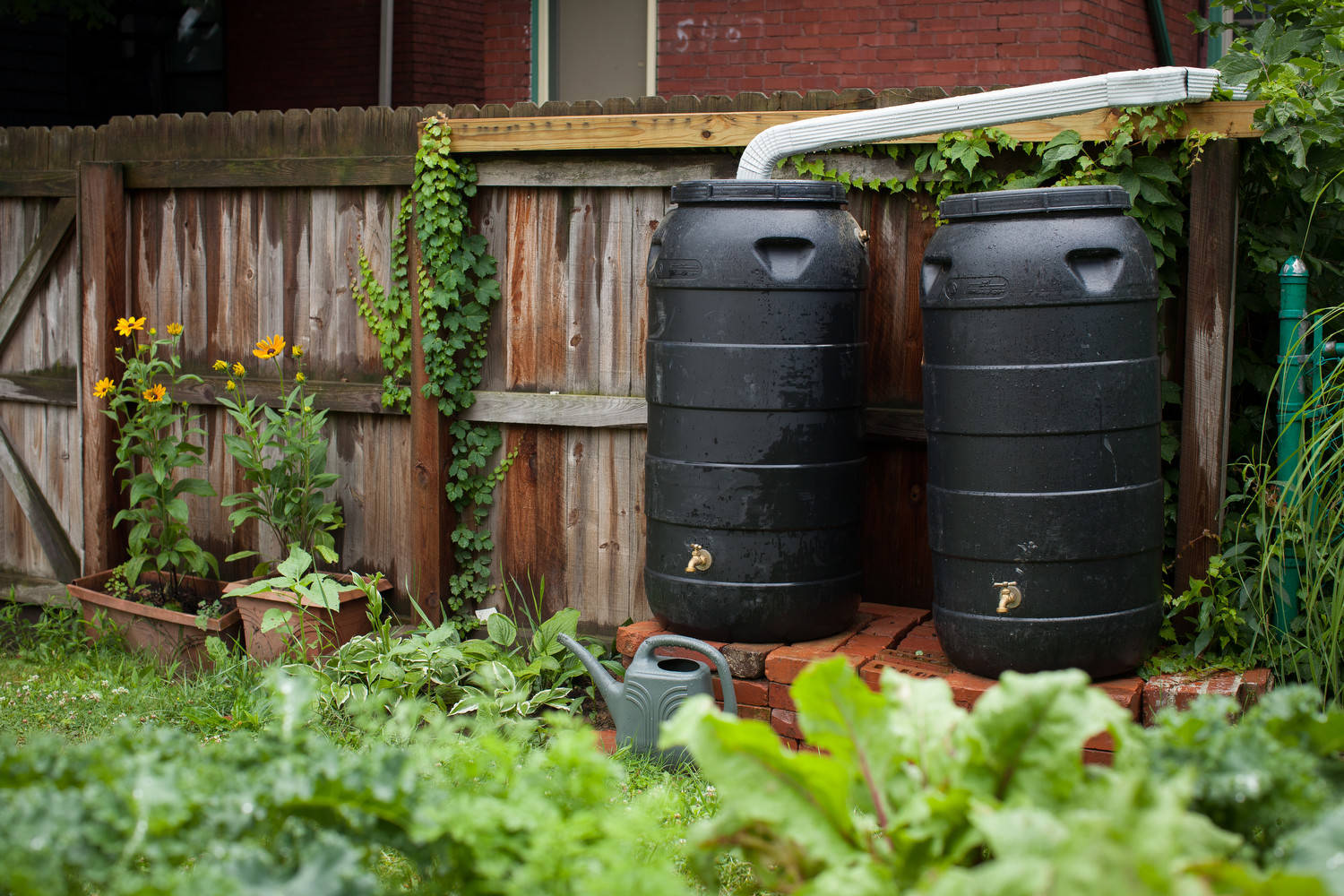
Rainwater harvesting systems capture rainfall and store it for garden irrigation. These systems are highly relevant in regions with water scarcity, allowing gardeners to irrigate plants without relying on municipal water supplies. They also reduce stormwater runoff, preventing soil erosion and pollution.
For instance, compact rain barrels can be easily integrated into small gardens, while larger underground tanks serve expansive landscapes. Beyond water conservation, this practice helps homeowners become more self-reliant.
2. Solar-Powered Lighting Solutions
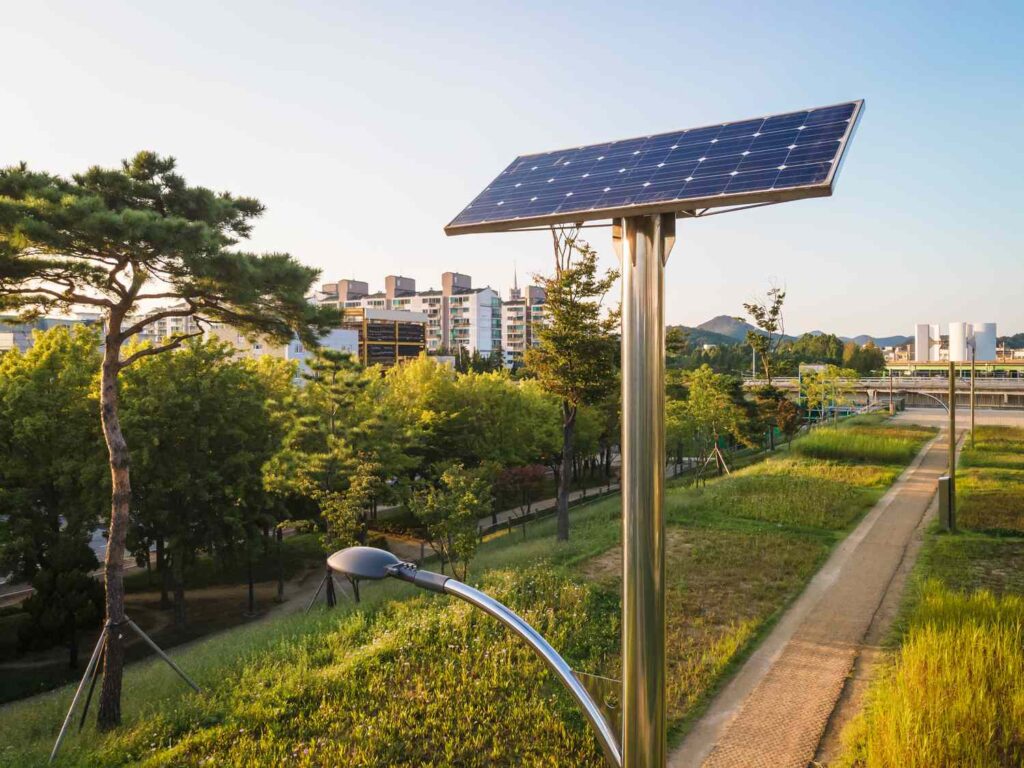
Solar-powered garden lights use renewable energy to illuminate outdoor spaces without relying on the electric grid. By harnessing the sun’s energy during the day, these lights automatically brighten pathways, patios, and garden features at night.
They not only reduce energy costs but also minimize carbon emissions. For homeowners aiming for sustainable outdoor gardens, solar lighting creates ambiance while maintaining eco-friendly values.
3. Smart Irrigation Systems
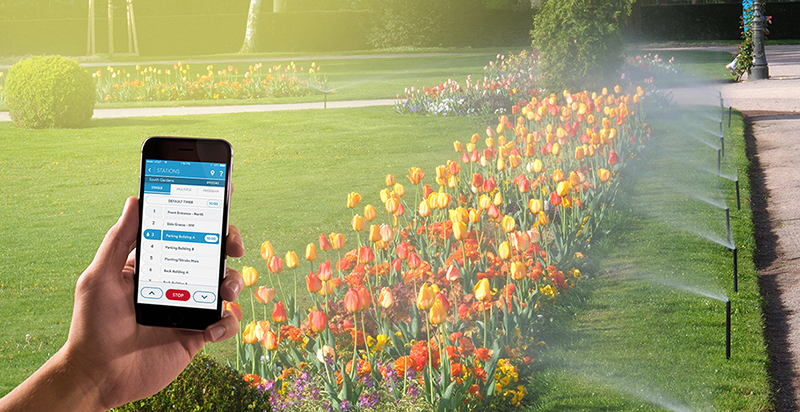
Smart irrigation controllers adjust watering schedules based on weather conditions, soil moisture, and plant needs. This technology prevents overwatering, reduces water bills, and ensures plants get exactly the amount of hydration required.
These systems are particularly effective in sustainable outdoor gardens, where water efficiency is crucial. By combining smart sensors with mobile app control, homeowners can manage their irrigation with precision.
4. Composting Systems
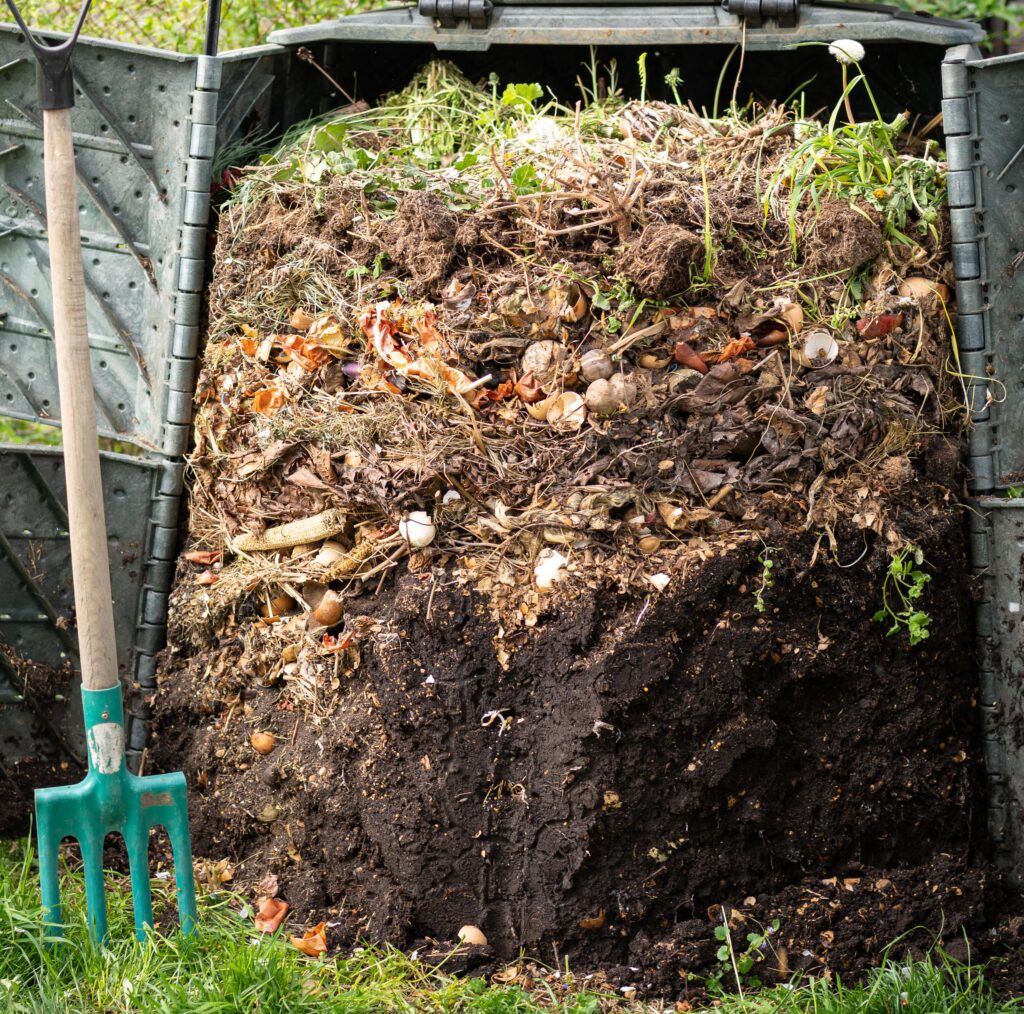
Compost bins convert kitchen scraps and yard waste into nutrient-rich soil amendments. This reduces landfill waste while creating organic fertilizer for garden use. Composting supports healthy soil, improves water retention, and reduces dependence on chemical inputs.
For sustainable outdoor gardens, composting is a cornerstone practice, turning everyday waste into valuable resources that fuel garden growth.
How Technology Enhances Sustainable Outdoor Gardens
Modern technology is playing a transformative role in eco-friendly gardening. Smart devices, renewable energy solutions, and advanced design tools help homeowners achieve sustainable goals more efficiently.
For example, smart garden sensors can monitor soil moisture, pH, and temperature, sending real-time data to a smartphone. This enables precise gardening decisions, ensuring resources are not wasted. Similarly, automated irrigation systems adjust water schedules to match weather forecasts, preventing unnecessary water use.
Incorporating technology doesn’t replace natural processes—it complements them by improving efficiency, reducing human error, and promoting long-term sustainability.
Practical Use Cases of Sustainable Outdoor Gardens
Urban Homes with Limited Space
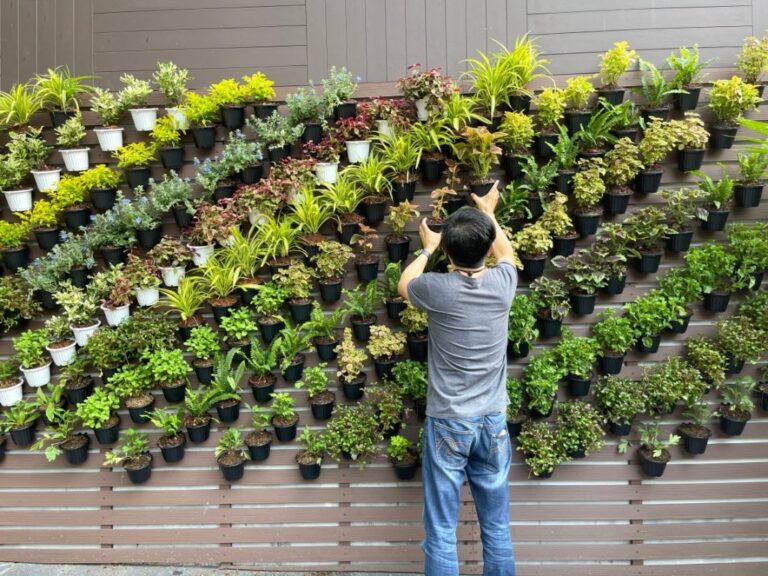
In cities, sustainable outdoor gardens can be designed in balconies, rooftops, or small yards using vertical gardens, potted native plants, and composting systems. This provides green relief in concrete-heavy environments while improving air quality.
Suburban Family Gardens
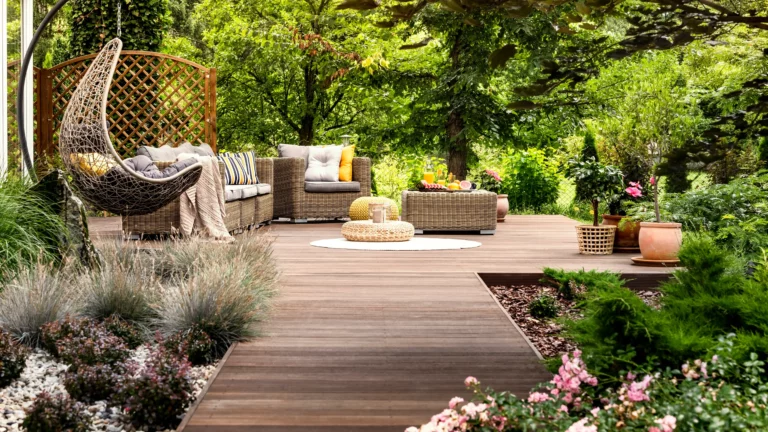
For families, sustainable outdoor gardens create safe play areas, spaces for growing organic food, and wildlife-friendly habitats. Children learn about nature, sustainability, and healthy living through direct interaction.
Large Landscapes and Estates
On larger properties, sustainable garden practices like rainwater harvesting, drought-resistant landscaping, and renewable energy integration significantly reduce environmental impact. These gardens often serve as models of ecological responsibility in their communities.
Frequently Asked Questions (FAQ)
Q1. What makes a garden sustainable?
A garden is sustainable when it conserves resources, minimizes environmental impact, and supports biodiversity. Practices such as using native plants, reducing water waste, and composting make a garden eco-friendly.
Q2. Can sustainable gardens be created in small spaces?
Yes, sustainable outdoor gardens can be designed in small spaces through container gardening, vertical planting, and efficient water systems. Even balconies and rooftops can host eco-friendly gardens.
Q3. How does technology support sustainable gardening?
Technology such as smart irrigation systems, solar lighting, and garden sensors helps reduce waste, optimize resources, and enhance garden efficiency. It allows gardeners to balance modern convenience with eco-friendly practices.