Vertical Garden Walls: Complete Guide, Benefits, and Inspiring Real-World Examples
Vertical garden walls, also known as living walls or green walls, are innovative structures that integrate vegetation into vertical surfaces. They combine architecture, horticulture, and technology to create sustainable spaces that enhance both indoor and outdoor environments. From small-scale installations in residential homes to massive green façades in urban buildings, vertical garden walls are reshaping the way we think about landscaping and design.
The concept is not entirely new—climbing plants and ivy-covered walls have existed for centuries—but modern vertical garden walls use engineered systems that allow plants to thrive on vertical surfaces. These systems often include irrigation technology, soil modules, or hydroponics, making them suitable for diverse environments, from high-rise buildings to compact apartments.
Key Elements of Vertical Garden Wall Design
Structural and Technical Considerations
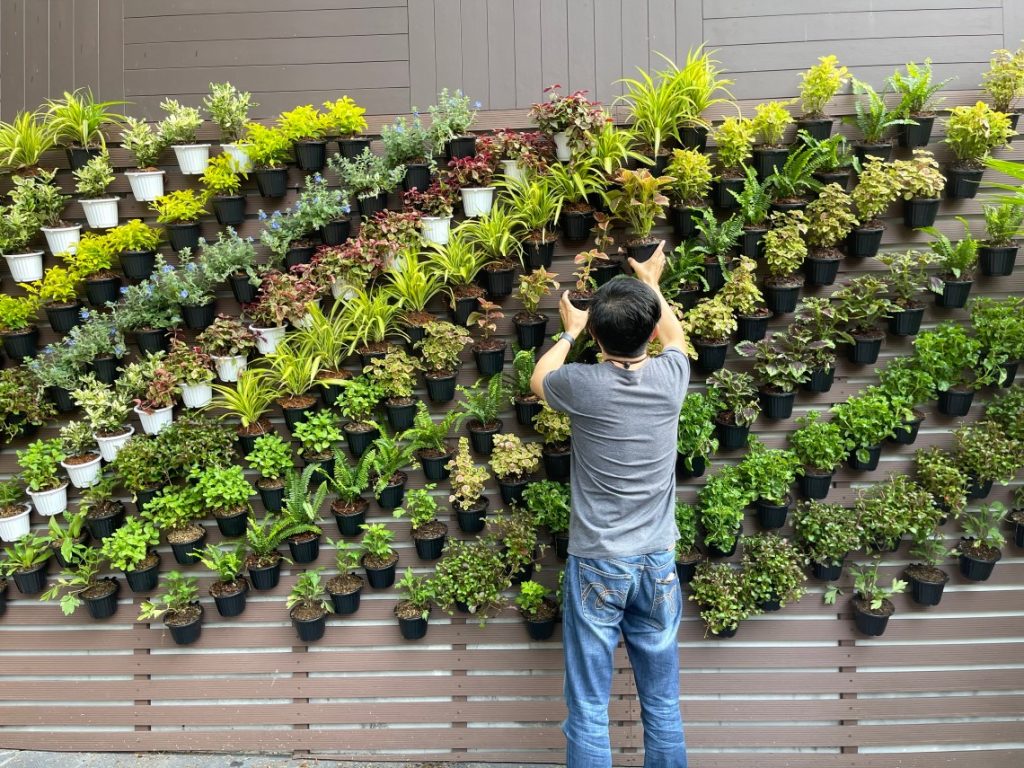
A vertical garden wall requires a solid foundation and support system. Depending on the scale, it may use modular panels, felt layers, or hydroponic frames to hold plants. Proper waterproofing and drainage are essential to protect the wall and surrounding structure from water damage.
Irrigation systems play a critical role. Automated watering and nutrient delivery ensure plants remain healthy without constant manual care. Many modern green wall systems also include smart technology that monitors moisture levels and plant health in real time.
Aesthetic and Functional Planning
Designing a vertical garden wall involves selecting plant species that thrive in the given environment. For indoor installations, low-light plants like ferns and pothos are common. Outdoor vertical walls may use a mix of flowering plants, herbs, or even edible vegetables.
The layout of plants impacts both aesthetics and function. Designers often use patterns, textures, and color contrasts to create living artworks. Beyond beauty, vertical garden walls can serve functional purposes such as acting as natural insulation, improving air quality, or providing privacy.
Benefits of Vertical Garden Walls
Vertical garden walls provide more than just visual appeal. They bring measurable environmental, health, and economic benefits to homes, offices, and cities.
Environmental Sustainability
Green walls help combat the urban heat island effect by cooling surrounding areas. Plants naturally absorb carbon dioxide and produce oxygen, improving air quality. They also trap dust and pollutants, reducing environmental toxins.
Additionally, vertical garden walls aid in stormwater management by absorbing rainwater. This reduces runoff and helps cities manage water flow during heavy rainfall.
Space Optimization
In dense urban areas, horizontal garden space is often limited. Vertical garden walls maximize greenery in compact environments, turning unused vertical surfaces into lush, productive landscapes.
Energy Efficiency
A well-constructed vertical garden wall acts as an insulating layer for buildings. In summer, it reduces heat gain, lowering air conditioning demand. In winter, it provides additional insulation, reducing heating needs. This translates into energy savings and reduced carbon footprints.
Health and Well-being
Access to greenery has proven benefits for mental and physical health. Vertical garden walls in homes, offices, and hospitals create calming environments, reduce stress, and enhance productivity. They bring nature into spaces where it is often absent, enriching everyday life.
Real-World Examples of Vertical Garden Walls
1. CaixaForum Green Wall (Madrid, Spain)
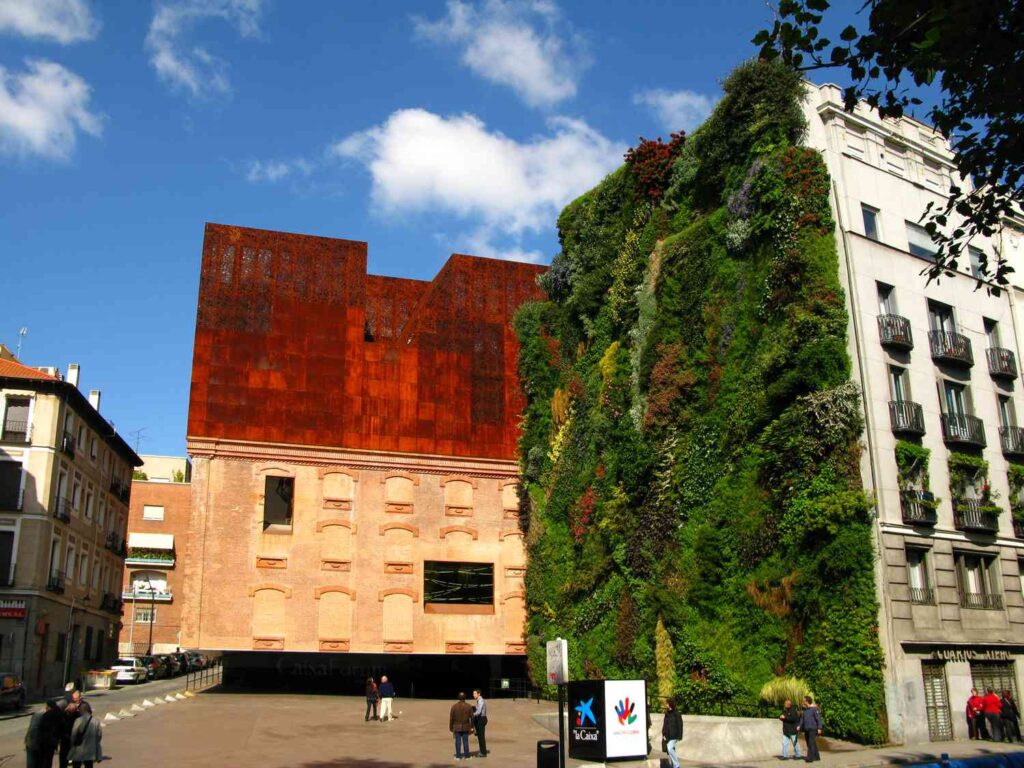
The CaixaForum museum in Madrid features a striking vertical garden wall designed by botanist Patrick Blanc. Covering an entire façade, it includes more than 15,000 plants of 250 different species.
This installation demonstrates how vertical garden walls can transform public buildings into living artworks. It not only beautifies the museum’s exterior but also improves biodiversity in the city center. The CaixaForum wall has become an iconic example of urban green architecture.
2. One Central Park (Sydney, Australia)
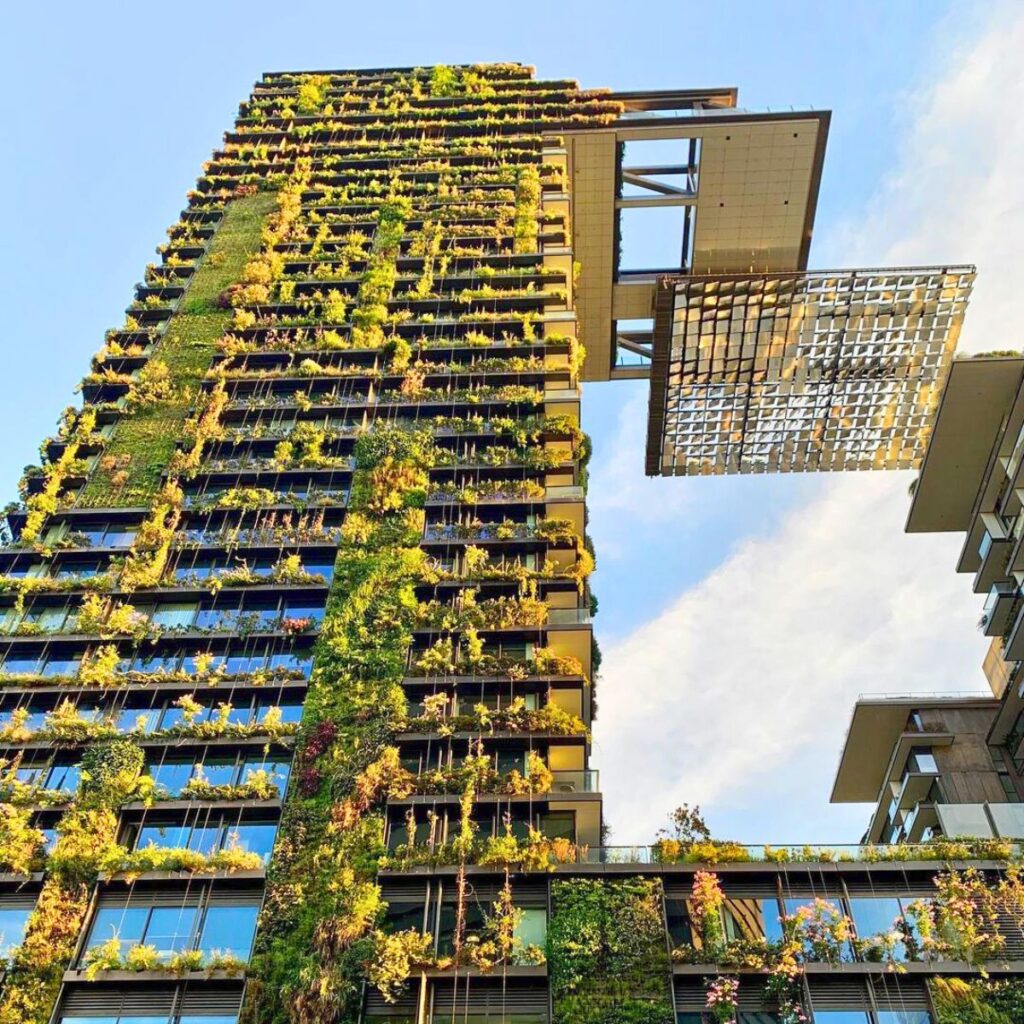
One Central Park is a residential and commercial building known worldwide for its innovative use of vertical garden walls. The structure features extensive green façades that cover the building, designed by Patrick Blanc in collaboration with architects.
The garden integrates native plants, creating a living ecosystem on the building itself. Beyond aesthetics, the vertical gardens provide shading, cooling, and natural air purification for the residents. This project showcases how green walls can be both functional and visually inspiring in large-scale urban developments.
3. Musée du Quai Branly Green Wall (Paris, France)
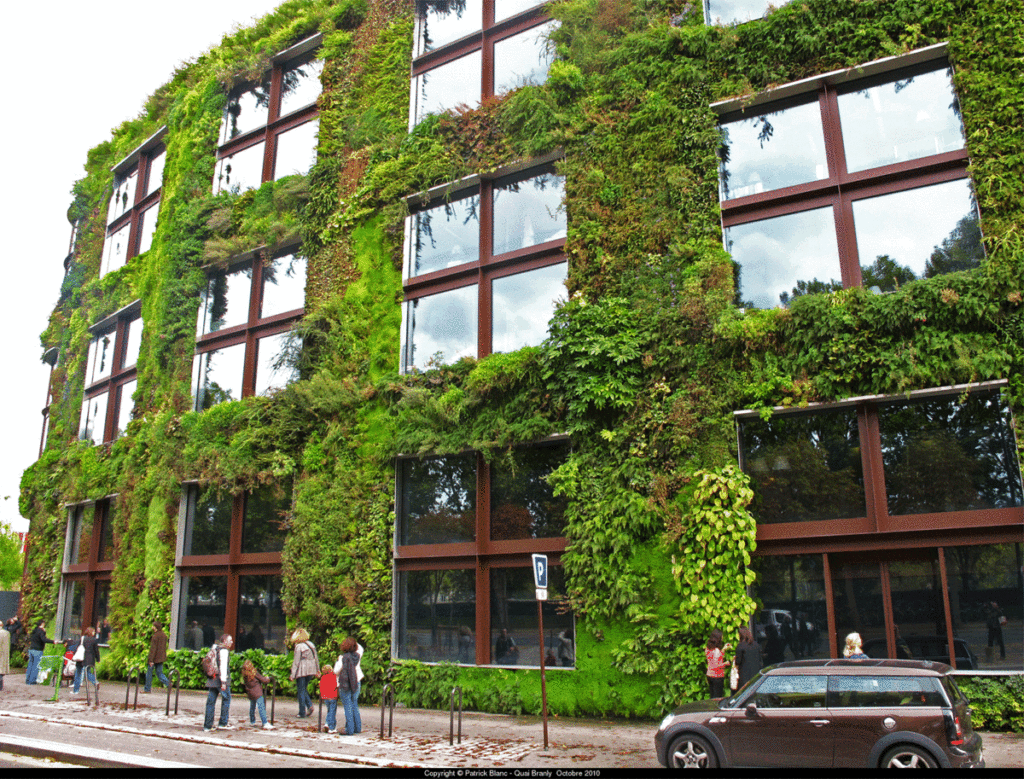
Another masterpiece by Patrick Blanc, the green wall at Musée du Quai Branly in Paris features lush vegetation cascading down the building’s façade. It is considered one of the most famous vertical gardens in the world.
The wall hosts thousands of plant species arranged in layers, creating a natural tapestry that evolves with the seasons. It also demonstrates how vertical garden walls can integrate seamlessly with cultural and artistic institutions, enhancing both environmental and aesthetic value.
4. Indoor Vertical Wall at Google’s Offices (London, UK)

Google’s London headquarters includes large indoor vertical garden walls that bring nature into the workspace. These living walls are carefully designed with low-maintenance plants suited for indoor conditions.
The installation improves air quality, regulates humidity, and creates a visually refreshing work environment. Studies have shown that such green walls boost employee well-being, reduce stress, and increase productivity — highlighting the importance of biophilic design in modern workplaces.
Practical Use Cases for Vertical Garden Walls
Residential Applications
For urban residents with limited outdoor space, vertical garden walls provide a way to enjoy greenery at home. They can be installed in balconies, terraces, or interior walls. Edible vertical gardens are particularly popular, allowing homeowners to grow herbs, vegetables, and small fruits even in apartments.
Commercial and Corporate Spaces
Businesses use vertical garden walls to enhance brand image and create inviting environments. Hotels, restaurants, and office buildings incorporate green walls as a way to attract customers and employees while improving sustainability credentials.
Public Infrastructure and Urban Design
Cities increasingly integrate into public spaces and infrastructure, such as transit hubs, museums, and government buildings. These installations improve urban biodiversity, regulate microclimates, and soften the harshness of concrete-heavy environments.
Healthcare and Educational Institutions
Hospitals and schools benefit by creating healthier, more relaxing environments. Research indicates that exposure to greenery in hospitals aids patient recovery, while in schools, it improves focus and cognitive performance.
Frequently Asked Questions
Q1. What types of plants are best for vertical garden walls?
The best plants depend on location and conditions. Indoor vertical walls often use low-light, hardy species such as ferns, pothos, and philodendrons. Outdoor walls may include flowering plants, succulents, or native vegetation adapted to local climates.
Q2. How are vertical garden walls maintained?
Most modern systems include automated irrigation and nutrient delivery. However, maintenance still involves periodic pruning, replanting, and inspection of the irrigation system. With proper design, maintenance becomes manageable even for large-scale installations.
Q3. Are vertical garden walls expensive to install?
The cost depends on scale, design complexity, and plant selection. While initial installation can be significant, the long-term benefits, such as energy savings, increased property value, and improved well-being, often outweigh the investment.